The ongoing debate of belt drive vs chain drive on e-bikes has garnered significant attention in the cycling industry. As e-bikes gain popularity, understanding their mechanics is crucial. According to a report by the Bicycle Product Suppliers Association, e-bike sales grew by 145% in the last year. This surge indicates a need for clearer insights into bike components, including drivetrain systems.
What are the benefits of belt drive vs chain drive on e-bikes? Belt drives offer lower maintenance and quieter operation. They are often made from durable materials that resist wear. In contrast, chain drives provide a more robust performance and are generally more affordable. However, they require regular upkeep, which can be a drawback for some users.
Both systems have their strengths and weaknesses. Each biker's needs will determine the more suitable choice. For instance, urban commuters may prefer the quiet serenity of a belt drive. Meanwhile, off-road cyclists might lean towards the reliability of chains. Ultimately, making an informed decision hinges on understanding these key benefits and considerations.
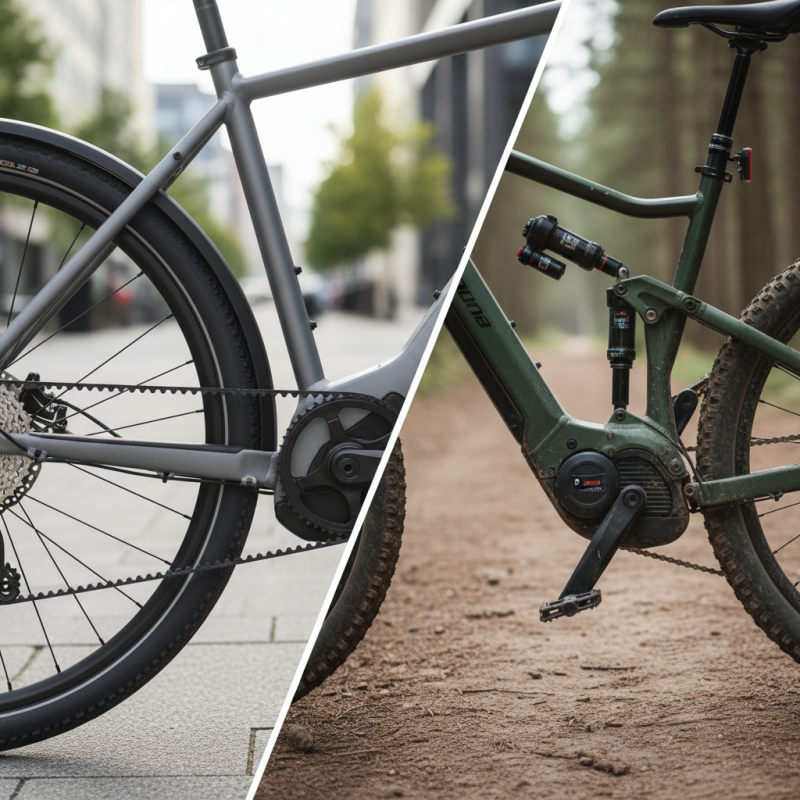
Belt Drive vs Chain Drive: An Overview of E Bike Systems
When considering E-bike systems, the choice between belt drive and chain drive is crucial. Both options come with distinct characteristics that can impact performance and maintenance. A belt drive uses a rubber belt system, offering quiet operation and low maintenance. It doesn’t require lubrication, making it a cleaner option. Riders might note the smooth ride it provides, especially for urban commuting.
On the other hand, the chain drive system is more common due to its efficiency and power transfer. It performs well in various terrains, making it versatile for all kinds of riders. However, this system needs regular maintenance, such as lubrication and adjustment. Riders may find themselves constantly checking the chain tension, which can be time-consuming.
Belt drives are less durable in extreme conditions compared to chain drives. They can stretch over time and may not withstand heavy loads. However, the choice largely depends on individual riding styles and preferences. Users should reflect on their typical use cases, as this decision can significantly impact the overall riding experience.
Belt Drive vs Chain Drive for E Bikes
Key Differences Between Belt Drive and Chain Drive Mechanisms
When choosing between belt drive and chain drive for e-bikes, it's essential to consider key differences in performance. Belt drive systems often feature a smoother ride. They are quieter and require less maintenance, making them appealing for city commuting. However, they can be less durable than chain drives. Over time, belts can wear out or slip, particularly in harsh conditions.
Chain drives excel in efficiency and power transfer. They handle steep terrains better, making them ideal for off-road biking. Maintenance is required, yet many riders find it manageable. Chains can rust and stretch, potentially leading to performance issues. You might need to replace the chain more frequently, a drawback for some users.
Belt drive systems tend to have a unique aesthetic appeal. However, the absence of gears may frustrate those who enjoy varied riding styles. Choosing between these two options often depends on personal preferences and riding conditions. Both systems have strengths and weaknesses, and understanding them can lead to better decisions.
Advantages of Belt Drive for E Bikes: Efficiency and Maintenance
When it comes to choosing between belt drive and chain drive for e-bikes, belt drives stand out for several reasons. One major advantage is their efficiency. Belt systems tend to be quieter than chains, which can enhance the riding experience. Riders enjoy a smoother operation, especially during longer commutes. The precision in a belt drive ensures energy is transferred effectively, requiring less effort.
Maintenance is another key area where belt drives triumph. They require less frequent adjustments compared to chain systems. This can save time and reduce hassle. The absence of lubrication needs keeps things cleaner. Many riders appreciate not getting grease on their clothes. However, the durability of a belt may not be perfect. Over time, belts can wear down and might not be as easily replaceable or repairable as chains.
In terms of weight, belts can be lighter than chains, improving handling. This is notable for those seeking performance. Still, the initial cost of a belt drive system can be higher. For riders on a budget, this is an essential factor to weigh. Understanding these dynamics is crucial for making an informed choice.
Advantages of Chain Drive for E Bikes: Durability and Performance
When considering the drivetrain options for e-bikes, chain drive systems stand out for their durability and performance. Chains are typically made from high-strength materials, designed to withstand significant loads. This construction empowers them to handle the stress of frequent starts and stops, common in urban biking scenarios. It’s this robust nature that often leads to longer lifespans compared to other options.
Chain drives are also celebrated for their efficiency. They transmit power effectively from the motor to the wheels, ensuring optimal performance. Riders experience enhanced acceleration and speed without sacrificing control. However, it's essential to note that chains can require regular maintenance to prevent wear and tear. Neglecting this aspect can lead to reduced efficiency and costly repairs over time.
In wet conditions, chain performance may diminish, leading to potential slipping or noise. Users must be aware of these factors and prepare accordingly. Proper lubrication and occasional adjustments can help mitigate these concerns. While chain drives offer compelling advantages, riders should also weigh their maintenance needs against their personal riding style and environment. This balance is crucial for achieving an enjoyable e-biking experience.
Belt Drive vs Chain Drive for E Bikes: Which is Better?
| Feature |
Chain Drive |
Belt Drive |
| Durability |
High - Can withstand heavy use |
Moderate - May need replacement after prolonged use |
| Maintenance |
Requires regular lubrication and adjustment |
Minimal maintenance required; no lubrication needed |
| Weight |
Relatively light |
Generally heavier |
| Noise Level |
Higher noise during operation |
Quieter operation |
| Torque Transfer |
Excellent torque transfer |
Good torque transfer but less efficient |
Factors to Consider When Choosing Between Belt and Chain Drives
When considering belt drive versus chain drive for e-bikes, several critical factors influence the decision. One significant aspect is maintenance. Chain drives usually require regular lubrication and tension adjustments, which can be a hassle for riders. Conversely, belt drives offer a cleaner option, needing less maintenance and having a longer lifespan. According to industry reports, belt drives can last up to three times longer than chain drives under similar conditions, reducing overall replacement costs.
Weight is another important factor. Belt drives tend to be lighter than chain drives, which contributes to improved efficiency. This is especially important for e-bikes, where weight directly impacts range and performance. Some studies indicate that e-bikes equipped with belt drives can enhance energy efficiency by 20% compared to their chain counterparts. However, the initial cost of a belt drive system can be higher, which may deter some buyers.
Rider preferences also play a crucial role. Many users appreciate the quieter operation of belt drives, while others prefer the robust feel of chain drives. Ultimately, the choice may come down to individual riding style and expected usage scenarios. Balancing these factors requires thoughtful consideration, as both options have their unique benefits and drawbacks.
FAQS
: Belt drives use rubber belts and are quieter, while chain drives use metal chains and can handle more stress.
Belt drives need less maintenance, no lubrication, and fewer adjustments. Chain drives require regular checks and lubrication.
Yes, belt drives tend to be more efficient and provide a smoother ride, making them suitable for urban commuting.
Not really. Belt drives can wear down and may struggle with heavy loads compared to chain drives.
Chain drives perform well across various terrains, while belt drives may not be as versatile in challenging conditions.
Belt drives are generally lighter, which can improve handling and performance for certain riding styles.
Yes, but chain drives need more frequent checks for tension and lubrication to maintain efficiency.
Yes, belt drive systems are often more expensive initially, which can be a concern for budget-conscious riders.
In wet conditions, chains can slip or make noise if not properly maintained, impacting performance.
Riders should reflect on their typical use, maintenance preferences, and riding environment to make a suitable choice.
Conclusion
The article "Belt Drive vs Chain Drive for E Bikes: Which is Better?" provides a comprehensive comparison of the two drive systems commonly used in electric bikes. It explores the key differences between belt and chain drives, highlighting their respective mechanisms. One significant focus is on the advantages of each system. Belt drives are noted for their efficiency and low maintenance requirements, making them appealing for riders seeking a hassle-free experience. Conversely, chain drives are celebrated for their durability and overall performance, especially under demanding riding conditions.
When considering the question, "What are the benefits of belt drive vs chain drive on e-bikes," it becomes clear that the choice ultimately depends on the rider's preferences and usage needs. Factors such as maintenance, efficiency, and intended riding style play crucial roles in determining which system is better suited for individual cyclists.

 Evergreen Vehicle