Cleaning a folding bike requires more than removing visible mud. Hinges, cables, battery contacts, displays, and motor connectors can collect grit and moisture. The safest approach combines practical workshop habits with the instructions supplied by the bike manufacturer. This guide explains How to clean a folding bike without damaging the electronics, whether you ride a compact commuter or an electric folding model. A soft brush, clean microfiber cloths, mild bike cleaner, and low-pressure water are usually enough. Keep the battery removed when the manual permits it. Cover exposed ports before cleaning.
Work slowly around the folding joints. Dirt often hides beneath the frame latch, near the bottom bracket, and behind the rear wheel. Spray cleaner onto the cloth, not directly onto the display or control buttons. A damp cloth should never drip. After washing, dry the frame immediately and leave the bike unfolded in a ventilated place. Check connectors for moisture before reinstalling the battery. Small details matter.
Even careful owners make mistakes. A strong hose seems convenient, but its pressure can push water past seals. I have seen riders focus on the chain while forgetting a wet charging socket. That habit deserves reconsideration. Manufacturer guidance should outweigh generic cleaning advice, especially for unfamiliar electrical systems. If a connector looks corroded, loose, or unusually warm, stop cleaning and seek qualified service. Clean bikes look better, but dependable electrical performance matters more.
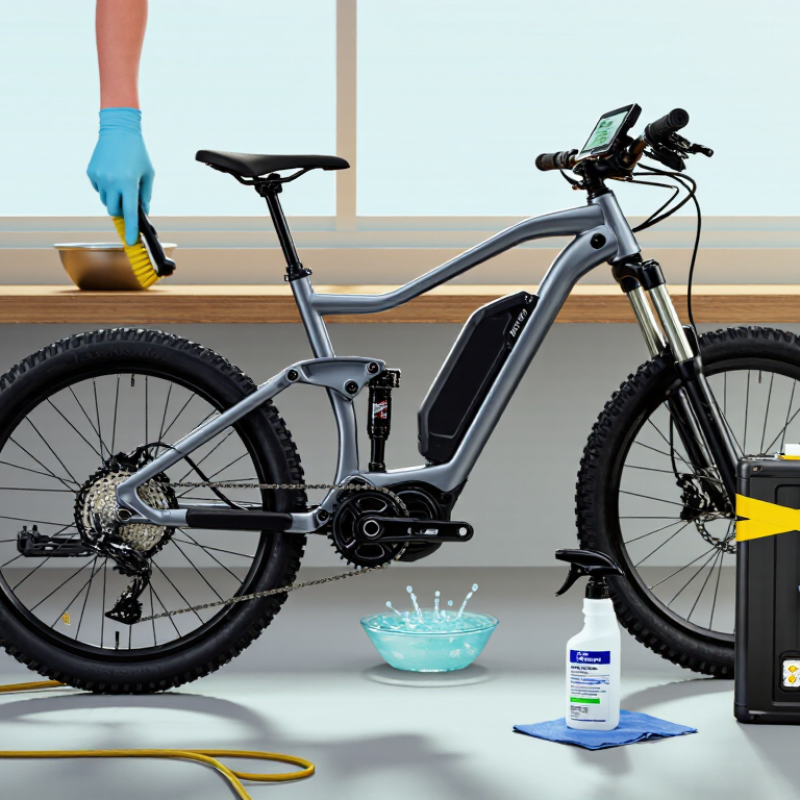
Before cleaning a folding bike, identify every electronic part, even the small ones. Check for the battery, display, power button, motor cable, speed sensor, lights, and charging port. On some models, wiring runs through the folding hinge or frame joint. Mark those areas mentally. They need extra care.
Turn the system off and remove the key or battery, if the design allows safe removal. Never force a battery that feels stuck. Keep it in a dry, shaded place away from water and metal tools. Inspect cable connectors for loose seals, cracked housings, or exposed wires. Do not open sealed control units unless qualified service instructions permit it.
Fold the bike only as far as needed for access. Some hinges can pinch cables when folded tightly. Place the bike on a stable stand or clean towel. Use a soft brush to remove grit around connectors and hinges before adding water. Cover open charging ports with their original caps. A small piece of clean, removable cover material can help, but it must not trap moisture inside.
Use a barely damp microfiber cloth near electronics. Keep spray bottles pointed at the cloth, never at the bike. Avoid pressure washers, strong jets, and soaked sponges. I once overlooked a damp connector beneath a frame cover; the bike worked, then stopped later. That delay is easy to miss. After cleaning, leave the bike unfolded until every joint and cable area feels completely dry. Check the controls gently before reconnecting the battery.
Cleaning a folding bike starts with restraint, not a hose. I brush loose grit away before touching the electronics. Use a soft, dry paintbrush around the display, battery contacts, charging port, and hinge gaps. A folded frame traps sand like a pocket. Shake the bike gently, then wipe dusty surfaces with a barely damp microfiber cloth.
IEC 60529 classifies IPX4 protection against splashing water from every direction. Its test uses about 10 litres per minute for 10 minutes. That rating does not approve pressure washing, immersion, or water forced into seams. I keep the spray bottle away from electrical parts. My first instinct was to rinse mud quickly, but that was careless. A low-pressure damp cloth removes more dirt than expected.
For stubborn soil, loosen it with a wooden brush handle or plastic pick. Never scrape sealed joints with metal. Clean the chain and tyres separately, because oily grit can spread across the frame. Keep the charging cover closed, and dry contacts with lint-free cloth before reconnecting anything. I leave the bike unfolded in a ventilated room for several hours. Compressed air seems efficient, yet it can drive moisture and grit deeper. After cleaning, inspect the cable entry points under bright light. A small water mark deserves attention, even when the bike still powers on.
I start with the frame, using a damp microfiber cloth and mild soap. Before adding water, I remove the battery or switch off the electrical system. I also cover charging ports with a clean, dry cap. Never aim a hose at the display, motor, cables, or control buttons. A soft brush lifts dirt from welds and tight frame sections. I rinse with a lightly damp cloth, not running water. Then I dry every surface with a towel.
For the drivetrain, I place a cloth behind the chain before brushing. A small, firm brush loosens grease around the chain, cassette, and jockey wheels. I apply cleaner to the brush, rather than spraying near electronics. Wipe the chain until no dark residue remains. Add a suitable chain lubricant sparingly after the parts dry. Excess oil attracts grit. Clean the wheels with soapy water and check the brake surfaces carefully. Keep lubricant away from rims, rotors, and brake pads.
Folding hinges need patience. Open the bicycle fully, then wipe dirt from each hinge and locking surface. Use a cotton swab for narrow gaps. Do not force grit deeper with high pressure. Follow the service manual before applying lubricant, because some hinges require dry contact surfaces. I once cleaned a hinge too aggressively and pushed dirty water into its joint. Now I use several light passes instead. After cleaning, fold the bicycle slowly and check that each latch closes firmly. A loose hinge deserves professional inspection.
Cleaning a folding bike requires restraint, especially around electrical parts.
Turn the system off before touching the frame. Remove the battery only if the service manual allows it. Keep the battery compartment closed during washing. Never aim a hose at connectors, charging ports, display units, or cable entry points. Low pressure still forces water into small gaps.
Use a damp microfiber cloth for the frame and a soft, dry brush around hinges. Clean connector covers gently, without pulling their wires. If mud surrounds a plug, loosen it with a barely damp cotton swab. Keep water away from exposed contacts. A dry cloth should follow immediately. Do not use a hair dryer or strong compressed air. Heat can damage seals, while air pressure may push moisture deeper.
Before reinstalling the battery, inspect the compartment under bright light. Look for droplets, grit, bent contacts, or cracked rubber seals. Leave everything open until completely dry. I used to wipe the area once and assume it was safe; that shortcut was unreliable. Moisture can hide beneath a lip and appear later as an intermittent power problem. Check the charging port cover carefully, then secure it without forcing the latch. If corrosion or loose wiring appears, stop cleaning and request qualified electrical service.
How to Clean a Folding Bike Without Damaging Electronics?
Cleaning starts with control, not pressure. Switch off the bike and disconnect the charger. Remove the battery only if the manual allows it. Use a barely damp microfiber cloth on the frame, hinges, display, and cables. Never aim a hose at the charging port, motor housing, or folding joint. The IEC 60529 standard defines IPX4 as splash protection, not safe immersion. An ingress rating is not a cleaning license.
Dry every surface before folding the bike. Wipe beneath the hinge, around cable exits, and inside the latch area. Leave the bike open in a ventilated room until no moisture remains. Do not use high heat. It can damage seals and plastic housings. Check for trapped grit, loose hinge hardware, cracked cable insulation, and bent brake parts. My own poor habit was folding too quickly after wiping. Moisture stayed beneath the hinge and was easy to miss.
Test before riding. Confirm that the display starts normally, lights respond, and the motor gives smooth assistance. Squeeze both brake levers while stationary. Operate the folding latch twice, then check that it locks firmly. Listen for clicking or grinding. The U.S. Consumer Product Safety Commission’s Micromobility Products report recorded more than 190,000 emergency-department-treated injuries from 2017 through 2022. A careful inspection cannot prevent every accident, but it can expose simple faults early. If the bike behaves strangely, keep it unfolded and stop using it until inspected by a qualified technician.
Locate the battery, display, power button, motor cable, speed sensor, lights, and charging port. Check the folding hinge for hidden wiring.
Switch off the system and disconnect the charger. Remove the battery only when the design allows safe removal. Never force a stuck battery.
Close its original cover before cleaning. Keep sprays away from the opening. A removable cover may help, but it must not trap moisture.
Use a barely damp microfiber cloth and a soft brush. Spray onto the cloth, never directly onto the bike. Avoid soaked sponges.
No. Avoid pressure washers, strong jets, and direct water near the motor, charging port, or folding joints. Splash protection does not mean immersion safety.
Brush away grit before adding moisture. Wipe beneath the hinge and around cable exits. Fold the bike only as far as necessary for access.
Leave it unfolded in a ventilated room until every joint and cable area feels completely dry. Keep it away from high heat. I have folded too quickly before.
Check for trapped grit, loose hinge hardware, cracked cable insulation, and bent brake parts. Confirm the display, lights, motor assistance, brakes, and latch work normally.
Keep it unfolded and stop riding. Strange clicking, grinding, delayed power, or weak braking needs qualified inspection. A careful check cannot prevent every accident.
How to clean a folding bike without damaging the electronics begins with identifying every powered component, including the display, motor, wiring, connectors, sensors, and battery compartment. Turn off and disconnect the battery if possible, close protective covers, and place the bike in a stable position. Remove loose dirt with a soft brush or dry cloth before using limited water. Avoid pressure washers and never spray directly into hinges, charging ports, cable openings, or control units.
Clean the frame and wheels with mild soapy water, while treating the drivetrain with a suitable degreaser applied carefully to a cloth or brush. Pay special attention to folding hinges, removing grit without forcing moisture inside, then apply appropriate lubricant only where needed. Wipe electrical parts with a barely damp cloth and keep connectors dry. After cleaning, dry the bike thoroughly, inspect cables, seals, hinges, and battery contacts, and test the electronics and brakes before folding or riding.

Evergreen Vehicle