Convert Your Standard Bicycle to an E-Bike Easily in 2026?

Time:2026-08-13 Author:Mason
0%

The demand for electric bicycles is skyrocketing, and in 2026, converting a standard bicycle to an e-bike will be more accessible than ever. According to a recent industry report by Research and Markets, the global e-bike market is projected to grow at a CAGR of over 10% from 2021 to 2026. This growth indicates a shift in consumer preference towards sustainable transportation options.

Experts like Michael Anderson, a well-known figure in the biking community, emphasize the importance of this transformation. He stated, "Mastering how to convert a standard bicycle into an e-bike is a game changer for urban mobility." This expert insight highlights the practical relevance of this topic as more people explore ways to enhance their biking experience without investing in a whole new bike.

However, the conversion process is not without its challenges. Many users face difficulties in choosing compatible components or ensuring proper installation. The aim is to create a reliable, efficient, and enjoyable ride. While the idea of converting seems simple, it's crucial to gather knowledge to avoid common pitfalls. Embracing this process can elevate your biking adventure while contributing to a greener planet.
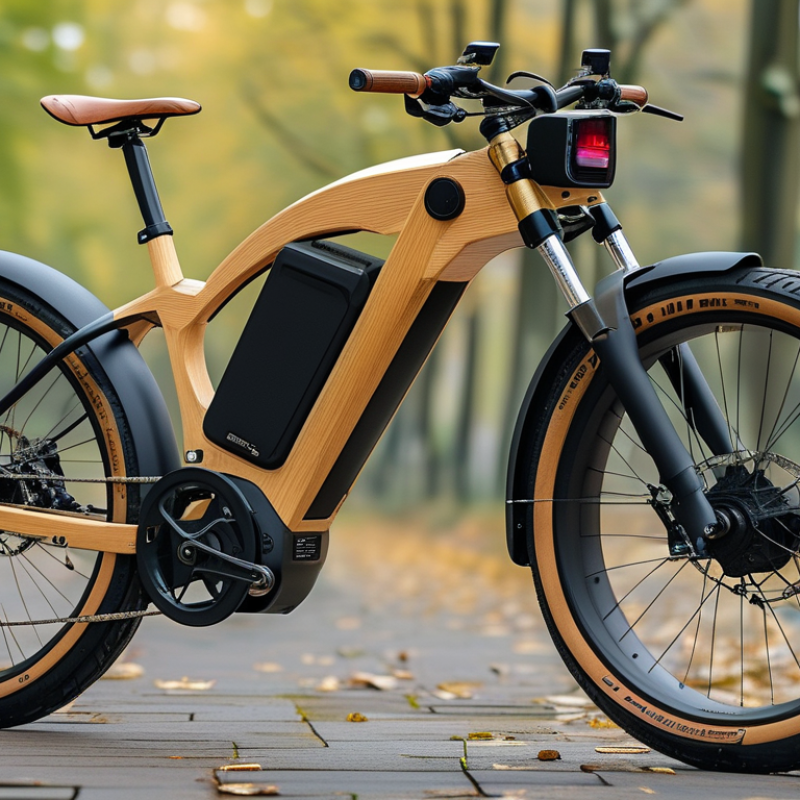
Convert Your Standard Bicycle to an E-Bike Easily in 2026?

Understanding the Basics of E-Bikes and Conversion Kits

E-bikes have transformed urban mobility in recent years. In 2022, the global e-bike market size was estimated at 23.83 billion USD. This figure is projected to grow at a whopping 11.5% from 2023 to 2030. Understanding the options available for upgrading your standard bicycle can seem daunting, but it’s attainable. Conversion kits offer a straightforward way to transition.

The basics of e-bike conversion kits lie in their components: a motor, battery, and controller. Motors typically range from 250 to 750 watts, significantly increasing your riding capability. Batteries often come in varying voltages, with commonly used ranges from 36V to 48V. A good-quality kit can be installed in a few hours. However, compatibility with your bike frame and components is crucial, and it’s essential to conduct thorough research on your specific model.

Potential challenges include the weight added by the motor and battery. Many bike owners express concerns about the balance and handling after conversion. Furthermore, the wiring process can be intimidating for beginners. Clear instructions and sometimes expert assistance can make the process smoother. Addressing these issues beforehand can lead to a successful transformation and enhance your riding experience.

Choosing the Right Conversion Kit for Your Standard Bicycle

Converting a standard bicycle into an e-bike can seem daunting, but selecting the right conversion kit makes a significant difference. When evaluating kits, factors like motor type, battery capacity, and ease of installation are critical. Understanding these elements can help you make a more informed choice.

A popular option is the hub motor, which is easy to install. Hub motors are located in the wheels, allowing for smooth integration with your bicycle. Make sure to check the compatibility with your bike’s frame and wheels. Additionally, consider the battery life and range. A good battery should support your riding needs without frequent recharging.

Don’t overlook the importance of quality components. Some kits come with subpar materials that can affect performance and safety. Research user feedback to gauge reliability. Remember, not every conversion kit meets the high standards necessary for a safe ride. Take your time to explore options, and don’t hesitate to reach out to experts or local bike shops for advice.

Step-by-Step Guide to Installing an E-Bike Conversion Kit

Converting your standard bicycle to an e-bike can be an exciting project in 2026. It requires careful planning and the right tools. A step-by-step approach can make the process manageable. Start by selecting a suitable e-bike conversion kit. Look for one that fits your bike type. Different kits vary in battery size and motor power.

Once you've chosen a kit, gather your tools. You’ll need basic tools like wrenches and screwdrivers. Follow the manufacturer’s instructions closely. Disconnect the bike’s rear wheel if your kit includes a hub motor. This step can feel daunting, but take your time. Make sure you don’t force any parts. Precision matters here.

After installing the motor, mount the battery in a secure location. Pay attention to wiring. Neatly organize the cables to avoid tangling while you ride. Test the e-bike before taking it out on a long journey. There might be unexpected challenges. Adjust the settings if the motor responds slowly. It’s normal to face issues; patience is key. With persistence, you’ll enjoy the benefits of your newly converted e-bike.

Electric Bicycle Conversion Kit Popularity in 2026

Safety Considerations When Riding an E-Bike

When transitioning to an e-bike, safety is a critical concern. Reports show that e-bikes can travel faster than traditional bicycles. The average speed of an e-bike can reach up to 28 mph, nearly double the speed of a standard bike. Riders should be aware of their surroundings and the increased stopping distance required at higher speeds.

Data from various studies suggest that e-bike riders face unique risks. For instance, a 2021 report indicated that e-bike accidents rose by 40% over two years. This significant increase highlights the necessity of wearing helmets. Despite this, only about 25% of e-bike riders reportedly wear helmets consistently. This trend raises questions about rider safety behaviors.

Riding in traffic poses additional challenges. E-bike users often share the road with vehicles, which may not be aware of their presence. According to insurance statistics, collisions involving e-bikes tend to result in more severe injuries compared to traditional bikes. Reflecting on your riding habits and ensuring visibility can greatly reduce risks. Checking equipment regularly is essential to maintaining safety. Assessing your riding environment and adapting your skills is vital for a safer e-bike experience.

Maintaining Your Converted E-Bike for Optimal Performance

Maintaining your converted e-bike is essential for its longevity and performance. Regular checks are crucial. Ensure that the battery is charged properly and stored in a cool place. Overcharging can shorten its lifespan. Monitor the battery health frequently. Cables and connectors can also wear out over time. Inspect these parts for any signs of damage or corrosion.

Tire pressure is another important aspect. Low pressure affects your bike’s efficiency and can lead to flats. Check your tire pressure before each ride. Keep your bike clean, especially after rides in wet conditions. Dirt can build up and affect the mechanical parts. Don’t forget to lubricate the chain regularly. A well-lubricated chain reduces wear and enhances performance.

The motor requires periodic checks too. Listen for any unusual sounds during rides. If the motor feels less responsive, it may need servicing. Remember, a converted e-bike is a combination of old and new technologies. This blend can sometimes lead to compatibility issues. Regular maintenance addresses these concerns but may not always eliminate them. Taking the time to reflect on your maintenance routines will help you spot potential issues early.

FAQS

: What should I consider when choosing a conversion kit?

: Focus on motor type, battery capacity, and ease of installation.

What is a hub motor?

A hub motor is integrated into the wheels for easy installation and smooth rides.

How important is battery life?

A good battery should meet your riding needs and minimize frequent recharging.

Why is quality important in conversion kits?

Low-quality components can affect performance and rider safety, so research user feedback.

What speed differences exist between e-bikes and standard bikes?

E-bikes can reach speeds of up to 28 mph, almost double that of standard bicycles.

Do e-bike riders wear helmets?

Only about 25% of e-bike riders wear helmets consistently, which is concerning for safety.

How can I maintain my converted e-bike?

Regularly check the battery, cables, tire pressure, and keep your bike clean.

What is the impact of low tire pressure?

Low tire pressure reduces efficiency and increases the likelihood of flats.

What to do if the motor makes unusual sounds?

Unusual sounds may require servicing or further inspection of the motor.

Why might converted e-bikes face compatibility issues?

Converting combines old and new technologies, which can sometimes lead to technical challenges.

Conclusion

Converting a standard bicycle into an e-bike has become increasingly accessible with the advent of conversion kits in 2026. The process begins with understanding the fundamentals of e-bikes and choosing the right conversion kit that suits your bike's specifications. A step-by-step guide will streamline the installation process, ensuring that you can make the transition smoothly.

Moreover, it's essential to consider safety while riding your newly converted e-bike, as the added speed and power may require adjustments in riding habits. Lastly, maintaining your converted e-bike will be crucial for optimal performance, helping you enjoy the benefits of electric biking for a longer duration. If you're curious about how to convert a standard bicycle into an e-bike, this guide will provide the necessary insights and practical tips.

Mason

Mason

Mason is a seasoned marketing professional with a deep expertise in the company's offerings and a passion for driving brand awareness. With a strong background in digital marketing strategies, he has an innate ability to connect with diverse audiences and effectively communicate product benefits.......