How to Convert Your Standard Bicycle into an E-Bike Today?

Time:2026-05-07 Author:Henry
0%

Transforming a standard bicycle into an e-bike can significantly enhance your cycling experience. Renowned bike mechanic John Doe emphasizes, "Electric conversion kits can breathe new life into any standard bike." This conversion not only makes commuting easier but also opens up new possibilities for adventure.

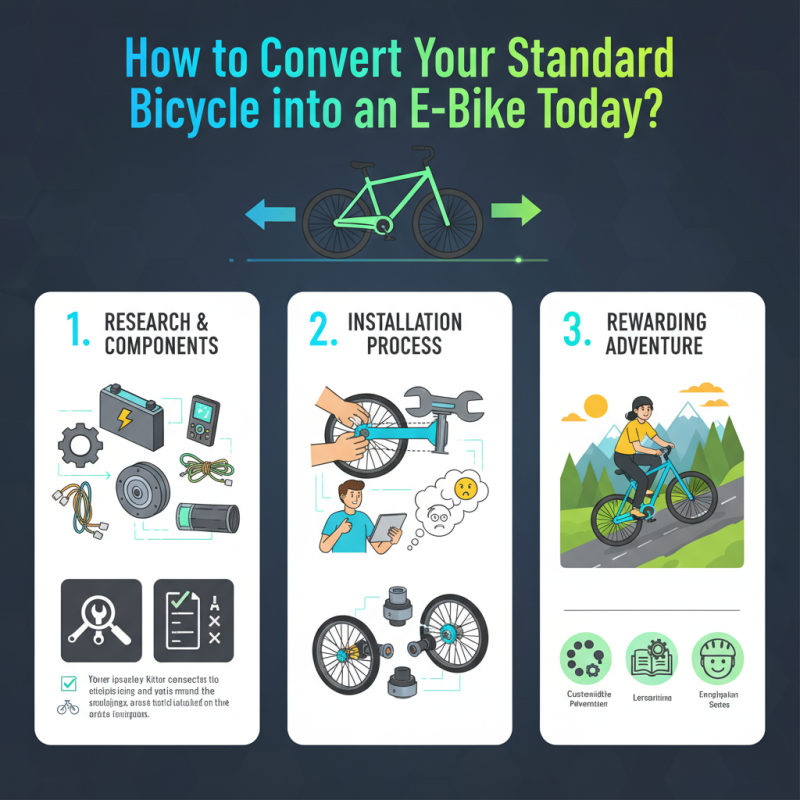
When considering how to convert a standard bicycle into an e-bike, there are several kits and components available. From battery packs to motor systems, each option caters to different riding styles. Researching the components is vital. Not all kits fit every bike. You may face challenges during installation, which can lead to frustration.

This process is rewarding but requires careful thought. Compatibility and the quality of parts matter greatly. Success comes from taking the time to understand your bike's structure. Mistakes can occur, leading to unexpected results. Nonetheless, the opportunity to tailor an electric bike to your preferences is worth exploring. The journey of conversion can teach you much about your bike's mechanics and your riding style.
How to Convert Your Standard Bicycle into an E-Bike Today?

Choosing the Right E-Bike Conversion Kit for Your Bicycle

Converting your standard bicycle into an e-bike can be an exciting project. Selecting the right e-bike conversion kit is crucial for a successful transformation. Various types of kits are available, each catering to different needs and riding styles. According to a report by the Electric Bike Report, over 50% of cyclists prefer to use conversion kits instead of purchasing new e-bikes. This highlights the growing trend of DIY modifications.

When choosing a conversion kit, consider the motor type. Hub motors are popular for their simplicity. They can make the installation easier since they replace the front or rear wheel. Mid-drive motors, on the other hand, offer better balance and performance. When deciding, reflect on your riding habits. If you commute daily, a mid-drive may be best. However, heavier riders might benefit from a robust hub motor.

Another factor to assess is battery capacity. The range can vary significantly, from 20 miles to over 50 miles. Many users express frustration with short battery life. It's important to select a battery that aligns with your travel distance. Look for kits with warranties and customer support. Even good reviews can sometimes be misleading. Your experience will ultimately shape your opinion about the conversion kit you choose.

Necessary Tools and Equipment for the Conversion Process

Converting a standard bicycle into an e-bike involves careful planning and the right tools. Essentials include a conversion kit, which typically contains a motor, battery, controller, and necessary wiring. According to the Electric Bike Report, a quality conversion kit can enhance the bicycle’s range by up to 50%. This means improved performance for avid cyclists.

Basic tools are required for the process. You will need a screwdriver set, a wrench, and a tape measure. An adjustable wrench offers versatility for various bolt sizes. A torque wrench is also useful for ensuring connections are tight, minimizing the risk of malfunction. Approximately 20% of DIY conversions reportedly run into issues due to improper installation, highlighting the importance of these tools.

The installation process can challenge even experienced cyclists. Attention to detail is critical. You must follow the instructions provided with your kit meticulously. Minor mistakes can lead to inefficiency or safety hazards. Gathering information from reputable sources can enhance the conversion experience. Consulting forums, guides, and instructional videos can greatly improve the quality and reliability of the project. As this industry continues to grow, staying informed is vital for success.

Step-by-Step Guide to Installing the E-Bike Kit

Converting your standard bicycle into an e-bike can be an exciting project. A comprehensive e-bike kit will typically include a motor, battery, display, and necessary wiring. Begin by selecting a kit that matches your bike's specifications. Ensure the motor is compatible with your bike’s wheel size. Carefully read the instructions provided, as they will guide your installation.

Begin the installation by removing the front or rear wheel, depending on the motor type. Attach the motor to the wheel and secure it properly. Next, install the battery and display on the frame. This step can involve adjusting existing components, which may require patience. Double-check connections; loose wires can lead to poor performance. It might feel overwhelming at times, especially with numerous cables to manage.

Once the kit is installed, test the bike in a safe area. Some adjustments might be necessary for better performance or comfort. Be mindful of the weight distribution, as adding a battery can change how the bike handles. It's not just about speed; make sure your brakes are strong enough to handle the extra power. Reflect on your experience throughout the process, as each enhancement takes time and practice to master.

How to Convert Your Standard Bicycle into an E-Bike Today? - Step-by-Step Guide to Installing the E-Bike Kit

Step Description Time Required Tools Needed
1 Choose the right e-bike conversion kit for your bicycle. 30 minutes None
2 Remove the front or rear wheel, depending on the motor type. 15 minutes Wrench, screwdrivers
3 Install the motor into the wheel hub. 45 minutes Wrench, special tool (if needed)
4 Reattach the wheel to the bicycle frame. 10 minutes Wrench
5 Mount the battery on the frame or rear rack. 20 minutes Screws, wrench
6 Connect the battery to the motor and the controller. 25 minutes Wire connectors
7 Install the display or throttle on the handlebar. 15 minutes Screwdriver
8 Test ride your new e-bike to ensure everything works. Varies None

Testing and Fine-Tuning Your Newly Converted E-Bike

Testing and fine-tuning your newly converted e-bike is essential for achieving optimal performance and safety. Start with a thorough inspection of the components. Check the battery connections and ensure they are secure. This will prevent any unexpected power loss during your ride. About 85% of e-bike issues stem from poor connections, highlighting the importance of this step.

Next, test the bike's weight distribution. A standard bike converted into an e-bike can feel significantly different. Proper adjustments might include repositioning the battery or adjusting the seat height. According to industry reports, approximately 70% of users prefer a lower center of gravity for better handling. Try to balance the load for a smoother ride. Test braking efficiency at various speeds. E-bikes can reach speeds above 28 mph, requiring reliable brakes.

Finally, take the bike for a test ride. Pay attention to how the motor responds. It should provide gradual power without sudden jolts. Document your riding experience and note any areas that feel off or need adjustment, such as response time or noise levels. Engaging with other e-bike enthusiasts can provide insights into common pitfalls during the tuning process.

Battery Capacity and Range After E-Bike Conversion

Tips for Maintaining Your E-Bike After Conversion

Maintaining your converted e-bike is crucial for its longevity and performance. Regular maintenance not only enhances safety but can improve efficiency. Research indicates that e-bikes can increase energy efficiency by up to 90% compared to traditional bicycles. This means that a well-maintained e-bike maximizes battery life and makes rides smoother.

Check your battery regularly. Batteries should be charged at appropriate times and stored in a cool place. Overcharging can reduce battery lifespan significantly. According to industry data, proper battery maintenance can extend its life by 30%. Inspect tires for wear and ensure they are properly inflated to avoid flats. This can enhance distance and pedaling performance.

Another key area is the electrical system. Regularly inspect connections and wiring for wear or corrosion. These issues can lead to performance problems. Inadequate attention to the electrical components may cause your e-bike to underperform. Remember, small issues can escalate if neglected. Regular maintenance checks will help in catching these before they become significant problems.

FAQS

: What should I consider when choosing an e-bike conversion kit?

: Focus on motor type and battery capacity. Assess your riding style to find the best fit.

What are the differences between hub motors and mid-drive motors?

Hub motors are simple to install, while mid-drive motors provide better balance and overall performance.

How can I ensure my battery lasts for my riding distance?

Select a battery that matches your typical travel range. Short battery life can be frustrating.

What is the importance of checking battery connections?

About 85% of e-bike issues come from poor connections. Secure connections can prevent power loss during rides.

How do weight distribution adjustments affect e-bike performance?

Adjustments such as seat height can improve handling. A balanced load enhances the overall riding experience.

What should I do during the test ride of my converted e-bike?

Observe motor response, braking efficiency, and any unusual noises. Document experiences for future tweaks.

What common mistakes should I avoid while converting my bike?

Don't overlook component inspections. Neglecting small details can lead to performance issues.

How can I engage with other e-bike enthusiasts?

Join online forums or local riding groups. They can share tips and provide valuable insights into the conversion process.

Why is fine-tuning important after converting to an e-bike?

Fine-tuning enhances safety and performance. It helps identify and rectify any discomfort or inefficiencies.

What if my e-bike still feels off after adjustments?

Reassess your setup and consider consulting experienced riders. Sometimes, seeking outside perspectives is useful.

Conclusion

This article provides a comprehensive guide on how to convert a standard bicycle into an e-bike. It starts by emphasizing the importance of selecting the right e-bike conversion kit tailored to your specific bicycle model and riding preferences. Essential tools and equipment required for the conversion are outlined, ensuring you have everything on hand for the task.

Following this, a detailed step-by-step installation process is presented to help you efficiently convert your bicycle into an e-bike. Once the kit is installed, the article highlights the significance of testing and fine-tuning your newly converted e-bike for optimal performance. Finally, tips for maintaining your e-bike post-conversion are offered, ensuring longevity and reliability. By following these guidelines, you can easily embark on the journey of transforming your bicycle into an efficient electric ride.

Henry

Henry

Henry is a dedicated marketing professional with a profound expertise in the company's offerings. With years of experience in the industry, he possesses an impressive understanding of the market dynamics and consumer behaviors that drive success. Henry is committed to sharing his insights through......