In the world of personal transportation, understanding the distinction between different types of electric vehicles is crucial. When considering "What is the difference between an e-bike and an electric moped," industry expert Dr. Michael Johnson states, "E-bikes offer an enhanced cycling experience, while electric mopeds provide a more automotive feel." This insight encapsulates the fundamental contrast between these two popular choices.
E-bikes typically resemble traditional bicycles but are equipped with electric motors. They provide pedal assistance, making cycling easier and enjoyable. Riders often appreciate the physical engagement and eco-friendly nature of e-bikes. On the other hand, electric mopeds bridge the gap between scooters and bicycles, usually featuring a more powerful motor and a simpler throttle operation. They require less pedaling effort, catering to those seeking convenience.
Both vehicles have distinct advantages. E-bikes promote sustainability with less reliance on motor power, yet they may demand more physical exertion. Electric mopeds offer a comfortable ride with minimal pedaling, though they may lack the exercise benefits of cycling. Exploring these differences helps potential users choose the right option for their needs and lifestyle.
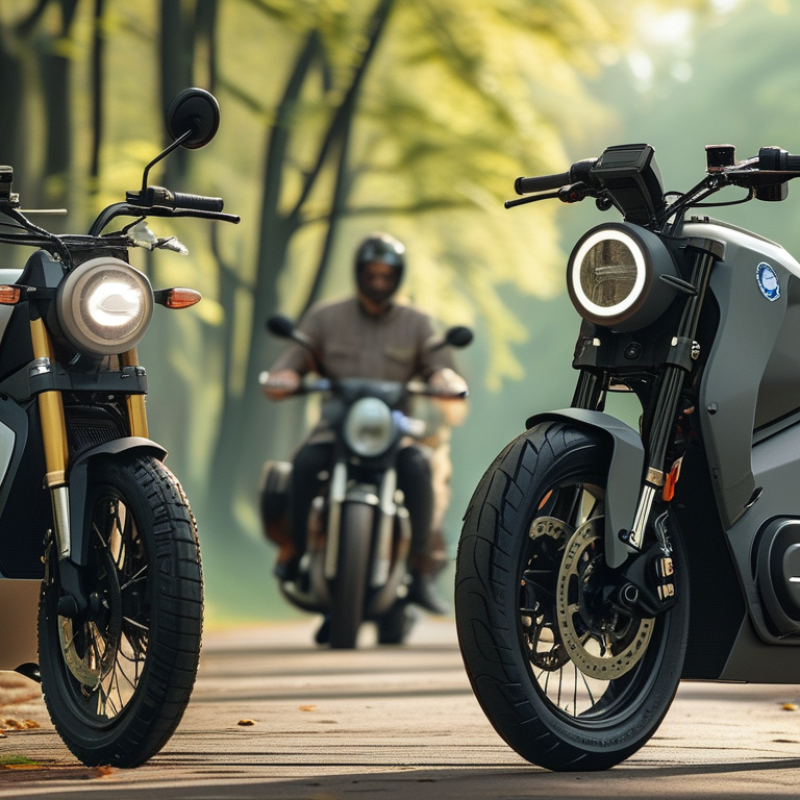
When exploring the difference between e-bikes and electric mopeds, it’s essential to understand their definitions. An e-bike, or electric bicycle, typically features pedals and a small motor. Riders can pedal or use the motor for assistance. E-bikes are often viewed as bicycles with a boost, making them a popular choice for commuters who want flexibility.
On the other hand, electric mopeds have a more powerful electric motor and do not require pedaling. They usually appear more like scooters or small motorcycles. This distinction in function reflects how each is used in daily life. E-bikes are versatile, appealing to those who enjoy cycling but may appreciate help on steeper routes. Electric mopeds cater to those seeking a straightforward ride without pedaling effort.
While both provide eco-friendly transportation options, the choice depends on personal needs. Some may prefer the exercise aspect of e-bikes, while others may be drawn to the simplicity of electric mopeds. Reflecting on this, individuals should consider their lifestyle and preferences when choosing between the two.
E-bikes and electric mopeds have become popular choices for urban transportation. Understanding their key components and features helps buyers make informed decisions. E-bikes typically include a lightweight frame, integrated battery, and electric motor. These components play a pivotal role in determining the bike's range and performance. A recent report by the NPD Group indicates that e-bikes have seen a 145% increase in sales in the last few years, showcasing their rising demand.
E-bikes generally feature pedal-assist systems. This means riders can benefit from human power combined with electric support. The average e-bike battery lasts between 20 to 50 miles on a single charge, depending on usage. This makes them suitable for daily commutes. However, not all e-bikes are created equal. Quality can vary widely. Some models may have outdated battery technology, affecting efficiency.
In contrast, electric mopeds often come with higher top speeds and more robust features. They may include larger motors and seating options. However, their weight can be a drawback. A report from Statista highlights that 38% of users found e-bikes more versatile than mopeds. Maintenance is another aspect to consider. Many e-bike owners express challenges in battery replacement. Ultimately, potential users should weigh these factors carefully before purchasing.
| Feature | E-bike | Electric Moped |
|---|---|---|
| Speed | Up to 28 mph (45 km/h) | Up to 30 mph (48 km/h) |
| License Requirement | No license required in many areas | License may be required |
| Pedal Assist | Yes (bicycle-style) | No |
| Power Output | 250W - 750W | Less than 4,000W |
| Weight | 50 - 70 lbs (23 - 32 kg) | Approximately 60 - 80 lbs (27 - 36 kg) |
| Battery Life | 20 - 70 miles (32 - 112 km) | 15 - 30 miles (24 - 48 km) |
| Tires | Similar to bicycles | Typically wider, scooter-like tires |
Electric mopeds and e-bikes serve different purposes and offer unique features. Understanding the key components of electric mopeds helps clarify their role. These vehicles usually have a larger frame and are built for stability and comfort. Most mopeds come equipped with a robust electric motor that can provide higher speeds compared to typical e-bikes.
One distinguishing feature of electric mopeds is their integrated battery systems. These batteries are generally larger, allowing for longer ranges on a single charge. This is crucial for commuters who rely on their mopeds for daily travel. Additionally, electric mopeds often include features like larger, more comfortable seats and windshields, enhancing the riding experience.
However, not all electric mopeds are equal. The varying quality of components can impact performance. Some models may lack efficient braking systems or superior suspension, which detracts from safety and comfort. Users should research thoroughly before purchasing. Finding a balance between price and quality is essential for a satisfactory riding experience.
When it comes to legal regulations, e-bikes and electric mopeds present different requirements. E-bikes are often categorized based on their speed and power. In many regions, if an e-bike does not exceed 28 mph and has a motor below 750 watts, it might not require a driver's license or registration. This makes e-bikes a more accessible option for casual riders.
On the other hand, electric mopeds typically necessitate a driver's license and insurance. Because they travel faster and offer higher power, riders need to comply with more stringent regulations. In various locations, electric mopeds are treated similarly to traditional motorcycles. This means they have specific requirements, such as helmet use and street-legal conditions.
It's crucial for riders to understand these differences. Vague knowledge about the specific laws could lead to fines or accidents. Not everyone is aware that legal classifications can vary by state or country. Riders must check local laws for clarity. This diligence can prevent potentially costly mistakes down the line. Engaging with local riding communities may enhance one’s understanding of these regulations.
E-bikes and electric mopeds serve different needs and preferences. E-bikes are ideal for cyclists seeking exercise and eco-friendliness. Riders in urban areas often use them for commuting or short trips. They offer a good range and can navigate through traffic easily. The fitness aspect makes them appealing to health-conscious individuals seeking an active lifestyle.
Electric mopeds, on the other hand, are perfect for people who want comfort and ease. They provide a more relaxed riding experience, with a seat that accommodates two riders. This makes them suitable for errands or leisurely rides. Users often prefer them for longer distances, as they usually have a higher speed limit compared to e-bikes. However, they may lack the physical engagement some users desire.
Both options have their audiences. E-bikes attract environmentally-aware individuals who prioritize fitness. Electric mopeds appeal to those who value convenience and comfort. Choosing between them often requires careful consideration of personal needs and priorities. It’s essential to weigh these factors to find the right vehicle for your lifestyle.
: E-bikes have pedals and a small motor; electric mopeds have a powerful motor and do not require pedaling.
E-bikes provide flexibility and exercise, especially on steep routes. They are good for commuters seeking an active lifestyle.
Most e-bikes can travel between 20 to 50 miles on a single charge, depending on usage and battery condition.
Electric mopeds usually have larger frames, robust motors, longer ranges, and often provide more comfort for daily commuting.
Many e-bike users struggle with battery replacement and varying quality across different models, affecting performance.
Electric mopeds often have comfortable seats and windshields, which can enhance the overall riding experience for users.
Not all e-bikes or mopeds are the same; cheap models may lack safety features, affecting comfort and security during rides.
Yes, many people depend on electric mopeds for commuting due to their ability to cover longer distances efficiently.
Consider your lifestyle, riding preferences, and whether you value exercise or prefer a simpler, non-pedaling option.
Yes, like e-bikes, electric mopeds can have varying quality in components, making regular maintenance and research essential.
In exploring the question "What is the difference between an e-bike and an electric moped," we find that both vehicles serve unique purposes and cater to different audiences. E-bikes, characterized by their lightweight design and reliance on pedaling alongside electric assistance, are often favored for recreational use and short commutes. They typically include features such as pedal-assist modes and are geared toward fitness enthusiasts and urban commuters looking for an eco-friendly alternative.
In contrast, electric mopeds are designed for users seeking a more relaxed riding experience, offering features like a throttle for easier operation. They usually come with lower speed limits compared to traditional scooters and may require different licensing and legal considerations in various regions. Understanding these differences in key components and features, as well as the regulatory frameworks that govern their use, can help potential riders make informed decisions about which vehicle best suits their needs.

Evergreen Vehicle