As urban mobility evolves, e-scooters have emerged as a popular transportation option. In fact, recent studies estimate that e-scooter usage has surged by over 200% in major cities. This uptick raises important questions about safety and regulation. What are the legal requirements for riding an e-scooter in the city?
Many cities have established specific rules governing e-scooter use, focusing on rider safety and public space management. According to the National Highway Traffic Safety Administration (NHTSA), e-scooter-related accidents have increased by 75% in the last year, highlighting the urgency for proper regulations. Understanding these legal frameworks is crucial for both riders and city planners.
Riding an e-scooter may seem straightforward, but the legal landscape can be complex. Riders often underestimate the consequences of not adhering to local laws. Some jurisdictions require helmets, while others mandate insurance. Compliance is not just about legality; it affects community safety as well. Inadequate knowledge of e-scooter laws could lead to fines or accidents, leaving riders to navigate a labyrinth of regulations.
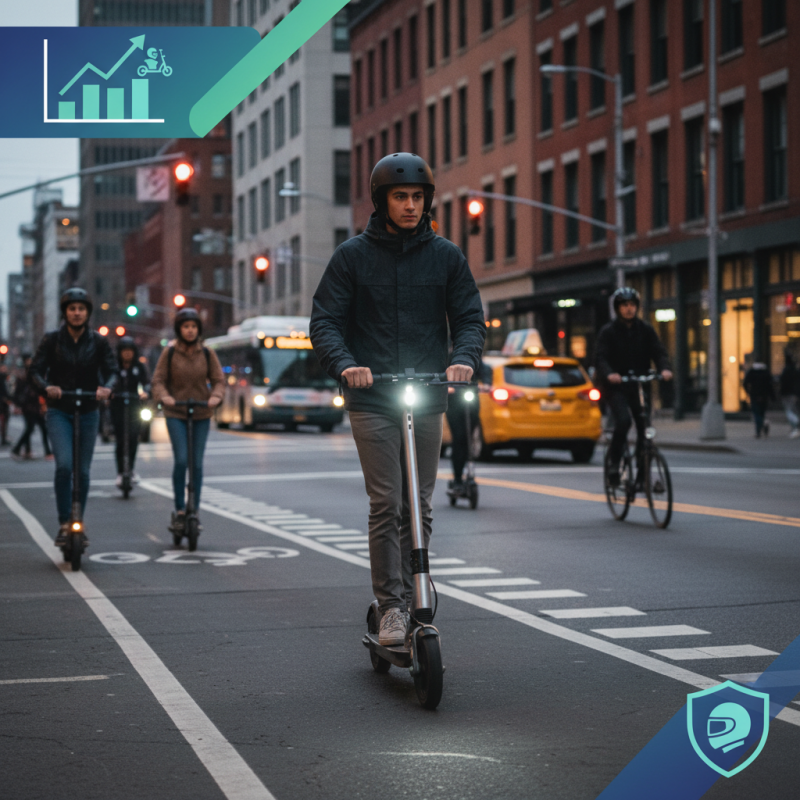
Electric scooters have gained popularity worldwide, but regulations vary significantly by region. In many places, e-scooters are treated like bicycles, while in others, they require specific licenses. Understanding these differences is crucial for a safe riding experience.
Tips: Always check local regulations before riding. Some cities may restrict where you can ride. Pay attention to bike lanes and pedestrian areas.
In Europe, e-scooter guidelines are becoming stricter. Some cities mandate helmets for all riders. Others limit the maximum speed to enhance safety. It’s essential to stay informed and comply with these rules to avoid fines.
Tips: Invest in protective gear. A helmet and knee pads can prevent injuries in case of an accident.
In many areas, minimum age requirements are enforced. Riders may need to be at least 16 or 18 years old. It's important to reflect on personal responsibility and the impact of riding without adhering to laws. Always ride defensively and be aware of your surroundings.
Riding an e-scooter can be a fun and efficient way to navigate urban areas. However, it's important to understand the legal requirements, particularly age restrictions and licensing rules, before hitting the road. According to a 2022 report by the National Association of City Transportation Officials (NACTO), cities across the U.S. have seen a rise in riders aged 16 to 24. These riders must often meet age criteria set by local laws.
Many regions require riders to be at least 16 years old. Some areas even set the minimum age at 18. This approach aims to enhance safety. Younger riders may lack experience with road rules, increasing the risk of accidents. In fact, data shows that accidents involving riders under 18 are more frequent. Always check local regulations before riding.
Tips for safe e-scooter riding: Always wear a helmet. This simple step can reduce the likelihood of severe injury. Also, be aware of your surroundings. Distracted riding can lead to dangerous situations.
Licensing requirements can vary significantly. Some places do not mandate a license, while others may ask for one. E-scooter operators in places like California need to understand these nuances. Not having the correct documentation can lead to fines. Be sure to comply with all local laws to enjoy a hassle-free ride.
This chart illustrates the age restrictions and licensing requirements for e-scooter riders across various countries.
When riding an e-scooter, safety gear is essential. According to a study by the National Highway Traffic Safety Administration (NHTSA), injuries related to e-scooters have been rising significantly. In 2018 alone, over 1,500 injuries were reported, emphasizing the importance of wearing protective equipment.
A certified helmet is a must. Helmets can reduce the risk of head injuries by nearly 70%. Eye protection is also important. Safety glasses can shield your eyes from dust and debris. Finally, wearing knee and elbow pads can prevent painful scrapes and bruises during falls.
Tips: Ensure your gear is comfortable and fits well. Consider carrying a small backpack for your gear. Also, always check your equipment before riding. Proper inspection can prevent accidents on the road.
Riders sometimes overlook these essentials. A quick online survey revealed that nearly 40% of e-scooter users do not wear helmets. This oversight can lead to serious consequences. Safety should always come first.
| Legal Requirement | Description | Essential Safety Gear | Usage Guidelines |
|---|---|---|---|
| Age Restriction | Many regions require riders to be above a certain age, typically 16 or 18 years old. | Helmet | Always wear a helmet to protect against head injuries. |
| License Requirement | Some locations may require riders to have a special license or permit. | Reflective Clothing | Wear bright or reflective clothing for visibility, especially at night. |
| Insurance | Some areas require riders to have insurance coverage for liability. | Knee and Elbow Pads | Consider using wrist guards and knee/elbow pads for added protection. |
| Location Restrictions | Riding on sidewalks or certain streets may be prohibited in some areas. | Brightly Colored Helmets | Ensure your helmet meets safety standards and is sized correctly. |
| Speed Limits | Many areas impose speed limits on e-scooters to enhance safety. | Protective Footwear | Wear closed-toed shoes for better grip and protection. |
E-scooters have surged in popularity, but riders must navigate a maze of traffic laws and etiquette. Understanding these rules can prevent accidents and ensure a smooth ride. Always check local regulations before you hop on, as they can vary considerably between locations. Some cities require helmets, while others may restrict riding on sidewalks.
Be mindful of pedestrians. Always yield to them, especially in crowded areas. Use hand signals when turning; this makes your intentions clear and aids in traffic flow. Watch your speed, and don’t weave in and out of lanes. Staying aware helps avoid collisions.
Tips: Keep a safe distance from cars and cyclists. Avoid distractions like mobile phones while riding; focus is key. If the weather turns bad, reconsider your ride. Safety doesn’t diminish with skill; it enhances it. Reflect on your riding habits often; even experienced riders can develop bad habits over time. Riding responsibly not only protects you but also sets a positive example for others.
E-scooters have become popular, but riders must consider insurance and liability. Many regions require liability insurance for e-scooter users. This protects riders from financial losses caused by accidents. Without it, individuals can face significant expenses if they are at fault.
Riders should also understand local laws regarding e-scooter use. Some areas have specific regulations on speed, parking, and helmet use. Ignoring these can lead to fines or penalties. It’s essential to research and stay informed about state or city requirements.
Accidents can happen, even to experienced riders. Inability to show proof of insurance could complicate matters after an incident. The aftermath of an accident can be overwhelming. Having proper coverage provides peace of mind. It’s a crucial consideration for anyone looking to enjoy riding safely.
: Always check local regulations related to e-scooter usage. Rules can vary widely by location.
Some cities require helmets for all riders. It’s best to wear one regardless of local laws.
Minimum age requirements often range from 16 to 18 years old. Reflect on your responsibility to follow these laws.
Invest in protective gear. A helmet and knee pads can significantly reduce the risk of injury.
If bad weather occurs, reconsider your ride. Weather conditions can impact safety, regardless of riding skills.
Liability insurance protects against financial losses in accidents. It’s crucial to have proof of coverage.
Always yield to pedestrians, especially in crowded areas. Be considerate to avoid accidents.
Yes, many places enforce speed limits to enhance safety. Stay informed to avoid fines.
Ignoring regulations can lead to fines or penalties. Always stay up to date on local laws.
Reflect on your riding regularly. Even experienced riders can develop risky habits that need addressing.
When considering the use of e-scooters, it’s important to understand the legal requirements for riding an e-scooter in the city. Regulations can vary significantly from one place to another, including age restrictions and the necessity for specific licenses for riders. In many regions, users must be of a certain age and may be required to possess a valid driver's license or a scooter permit.
Safety is paramount, and wearing essential safety gear like helmets, knee pads, and reflective vests is often mandated. Riders should also adhere to traffic laws and exhibit proper riding etiquette, which includes respecting other road users and following designated paths or lanes. Additionally, understanding insurance options and liability considerations can protect riders from potential risks associated with e-scooter usage. By being informed about these aspects, residents and visitors can enjoy e-scooter riding responsibly and legally.

Evergreen Vehicle