Electric scooters have gained immense popularity as a convenient mode of transportation. However, riders often encounter various mechanical sounds, particularly clicking noises. This leads to a pressing question: "Why does my electric scooter make a clicking noise?" Understanding this issue is crucial for safety and performance.
A report from the Electric Bike Association found that nearly 25% of electric scooter users experience mechanical issues within the first six months of ownership. Common factors contributing to these noises include loose components, worn bearings, or issues with the braking system. Each factor can significantly impact your scooter's functionality.
Addressing clicking noises promptly is essential. Delaying maintenance can lead to more severe problems down the line. Many riders may overestimate their mechanical understanding, leading to ineffective solutions. Regular inspections and consultations with experts can help ensure your scooter operates smoothly and safely. Understanding the source of those clicks may prevent accidents and provide peace of mind for riders.
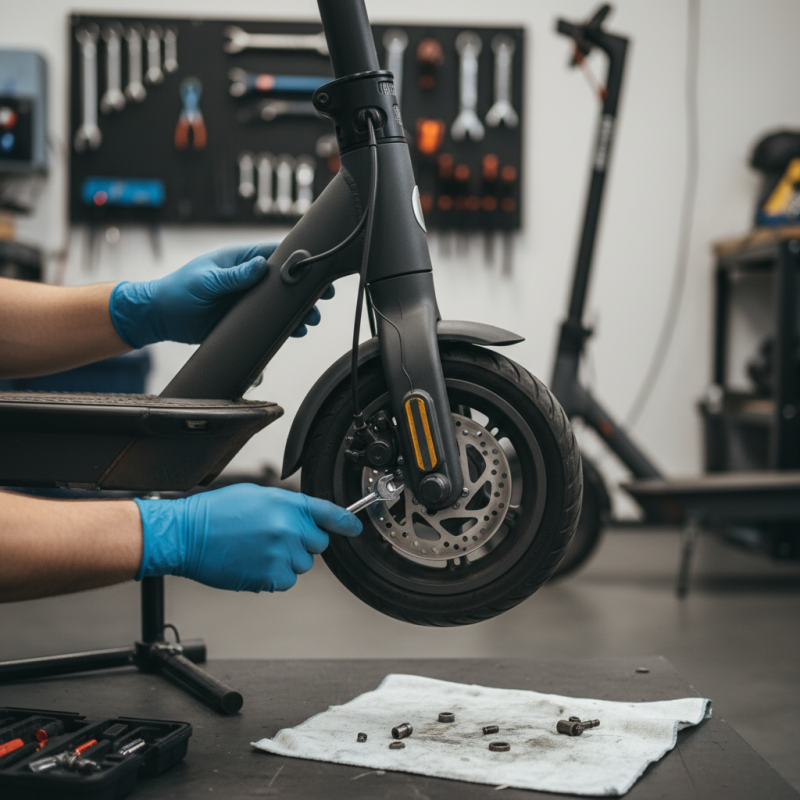
Electric scooters are becoming increasingly popular for urban commuting. However, many riders experience a clicking noise that can be perplexing. Understanding the common causes of this noise that often emerges during your ride is essential for proper maintenance.
One primary source of clicking sounds can be the brakes. If the brake pads are worn or misaligned, they can create a clicking noise while in use. Inspect them regularly; a simple adjustment might be all that’s needed. Additionally, loose or damaged components in the wheels can lead to annoying clicks. Check for any debris trapped in the wheel or axle; even a small stone can create significant noise.
Another common reason behind the clicking sound is the motor. A malfunctioning motor can emit irregular noises. Sometimes, this indicates a need for lubrication. Ensure the motor is clean and all connections are secure. Regular maintenance can prevent these issues from becoming a bigger problem. The noises may seem minor, but they can signal deeper issues. Paying attention to these details can enhance safety and riding experience.
| Cause | Description | Solution |
|---|---|---|
| Loose Components | Bolts and screws may become loose over time, causing parts to rattle. | Tighten all bolts and screws; inspect regularly. |
| Worn Bearings | Bearings in the wheels or motor may degrade, leading to clicking sounds. | Replace worn bearings as needed. |
| Damaged Drive Belt | If the drive belt is frayed or damaged, it can produce a clicking noise. | Inspect and replace the drive belt if necessary. |
| Stones or Debris | Small stones or debris can get stuck in the wheels or motor. | Regularly check and clean the wheels and undercarriage. |
| Electrical Issues | Malfunctions in the electrical system may cause clicking sounds. | Consult a technician for electrical system diagnostics. |
The impact of wheel size and type on electric scooter noise levels is worth exploring. Larger wheels can yield a smoother ride, but they may also produce more sound. The bigger the wheel, the more it can roll over imperfections in the pavement, possibly leading to a clicking noise when it encounters bumps or cracks.
Tires also play a crucial role in noise generation. Harder rubber compounds may create more sound upon contact with surfaces. Softer tires tend to absorb more shock, resulting in quieter rides. It's important to evaluate your tire choice, as it can significantly influence the noise level.
Different riding conditions affect noise, too. Smooth surfaces typically lead to minimal noise, while rough terrain can amplify clicking sounds. Riders should pay attention to their environment and wheel conditions. Regular maintenance can help mitigate these noises. Checking alignment and tire health is essential for a quieter experience. The noise issue isn't always straightforward. It may require some trial and reflection to discover an effective solution.
This chart illustrates the impact of wheel size and type on the noise levels produced by electric scooters. As wheel size and type vary, the noise generated exhibits different patterns, which can help you understand potential sources of the clicking sounds.
Electric scooters often produce unexpected clicking noises during operation. Understanding the sources of these sounds can ease concerns. A primary contributor is the interaction between the battery and motor. When the battery’s voltage fluctuates, it can lead to irregular motor function, which may result in clicking. According to a study by the Electric Vehicle Association, around 15% of electric scooters experience such issues, often tied to battery health.
Battery cells can age and lose efficiency over time. Decreased performance often leads to inconsistency in power delivery. This inconsistency can cause the motor to engage unevenly, prompting those unfamiliar sounds. Furthermore, motors can develop mechanical issues, like misalignment or wear on internal parts. Research indicates that motor issues account for approximately 10% of clicking noises reported by riders.
Addressing these problems often involves inspection and maintenance. Regularly checking battery connections and ensuring the motor is properly aligned can mitigate some sounds. Still, it's essential to recognize that clicking noises might not always indicate a serious issue. Listening to your scooter's reactions can provide valuable insights. Understanding these systems enhances awareness of potential maintenance needs.
Regular maintenance plays a crucial role in minimizing noise from electric scooters. Over time, components like wheels and brakes can wear down, leading to annoying clicks and rattles. Noticing these sounds early can prevent more serious issues down the road. A thorough inspection can identify loose parts or debris buildup, which can significantly elevate operational noise.
Routine checks are vital for optimal performance. Regularly lubricating moving parts can lessen friction, reducing that irritating clicking noise. Don’t overlook the importance of tire pressure. Under-inflated tires can create extra noise and lead to decreased efficiency. Ensuring everything is in good shape not only minimizes sound but enhances riding comfort.
It’s easy to forget about maintenance until a problem arises. Yet, proactive upkeep requires awareness of your scooter's condition. Holding yourself accountable for regular checks might seem tedious, but it’s essential. Ignoring these maintenance tasks can lead to more significant noise issues and costly repairs. Being attentive to your scooter's needs can make a noticeable difference in its performance and your overall experience.
Electric scooters have gained popularity for their convenience and efficiency. However, many riders notice an unfamiliar clicking noise, particularly when accelerating. Understanding how speed correlates with noise discrepancies can offer insights into this common issue.
Research indicates that at higher speeds, the mechanical components of an electric scooter, such as the motor or wheels, can produce more friction. According to a report from the Electric Vehicle Association, friction accounts for nearly 40% of the noise generated during operation. This increased friction may lead to the clicking sound some riders experience, signaling potential maintenance needs or component wear.
Additionally, the type of terrain greatly influences noise levels. A smooth surface may yield quiet rides, while rough terrains increase vibrations, causing additional sounds. A study by the Institute of Electrical and Electronics Engineers highlighted that uneven ground can cause parts to rattle, contributing to noise. Riders may find it helpful to inspect their scooters regularly for loose components or debris trapped in the wheels. Recognizing these dynamics can lead to a quieter ride, enhancing the overall experience.
: Larger wheels may create a smoother ride, but they can produce more noise.
Harder tires can create more sound. Softer tires absorb shocks, resulting in quieter rides.
Smooth surfaces generate minimal noise, while rough terrain amplifies sounds, like clicking.
Regular maintenance is crucial. Inspect wheels and brakes for wear to avoid annoying clicks.
Listen for unusual sounds. A thorough inspection can help spot loose parts or debris.
Under-inflated tires can create extra noise. Maintaining proper pressure ensures better efficiency.
Regularly lubricate moving parts. This reduces friction and minimizes irritating sounds.
Yes, many forget until problems arise. Staying aware of your scooter's condition is essential.
Ignoring tasks can lead to significant noise issues and costly repairs in the future.
If you've ever wondered, "Why does my electric scooter make a clicking noise?" you're not alone. This common issue can stem from various factors, including loose components, debris caught in the wheels, or even the type and size of the wheels themselves. Smaller wheels might produce more noticeable noise, while the scooter’s overall design can influence sound levels during operation.
Furthermore, the functionality of the battery and motor plays a crucial role in the sounds emitted by your scooter. Regular maintenance is essential to minimize operational noise and ensure your scooter runs smoothly. Additionally, the relationship between speed and noise discrepancies is important; as speed increases, so can the intensity of the sounds produced. Understanding these elements can help scooter owners address clicking noises and enhance their riding experience.

Evergreen Vehicle