Safe charging is crucial for electric vehicle (EV) mobility aids at home. Proper charging ensures the longevity of batteries and enhances user safety. According to Jonathan Smith, an expert in EV technology, "Charging requires more than just plugging in; safety protocols are essential." This underscores the importance of understanding how to charge an EV mobility aid safely at home.
When considering home charging, many factors come into play. Using the correct charger is vital. A standard charger may not be compatible with every device. Users often overlook the need for proper ventilation during charging. Heat can build up and create hazards. Inspecting the charging location is equally important. Frayed cables or damp conditions can lead to severe incidents.
Discussions around safety often highlight user behavior. Many users do not follow recommended practices. They may rush the charging process or use unapproved equipment. This negligence can lead to risks that outweigh the benefits of mobility. Reflecting on charging habits is essential to ensure a secure experience. Overall, the commitment to safe charging can make a significant difference.
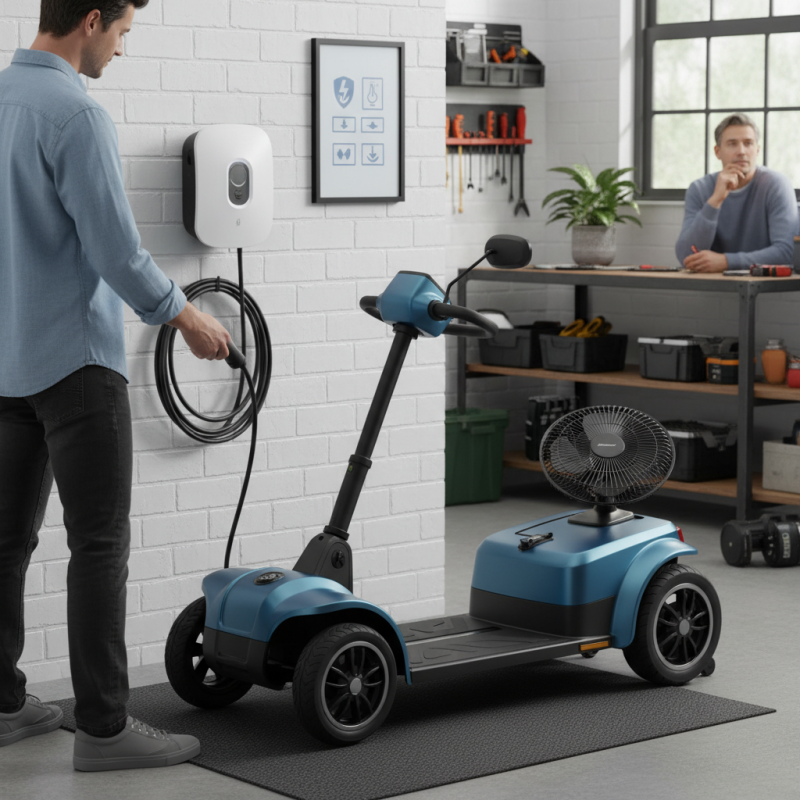
Safe charging practices are crucial for ensuring that EV mobility aids operate efficiently and securely at home. Many users overlook the importance of following guidelines when charging electric scooters or wheelchairs. This can lead to safety hazards, including fires or battery degradation. Proper charging reduces risks and prolongs the lifespan of the battery.
Every charging setup should include compatible chargers and surge protectors. Always check the manufacturer's guidelines for optimal charging practices. Using an appropriate charger can prevent overcharging and overheating, which are significant risks. Ensure the charging area is dry and free from clutter to avoid accidents.
Tips: Regularly inspect charging cables for wear or damage. If you notice frays, replace them immediately. Charge your device in a well-ventilated area. This helps dissipate heat and prevents buildup. Lastly, never leave a device plugged in overnight. This can lead to potential malfunctions and shorten the battery's overall life. Safe practices not only protect the user but also enhance the overall experience of using mobility aids.
The rise of electric vehicles (EVs) significantly influences household charging dynamics. According to the International Energy Agency, global electric car sales hit 10 million in 2022. This growth reflects a shift toward sustainable transport. As more households adopt EVs, the need for efficient and safe charging strategies becomes critical.
In many regions, the average EV owner charges at home, accounting for over 80% of their total charging needs. This reliance stresses the importance of secure and reliable home charging systems. Poor charging practices can lead to safety risks such as overheating or electrical fires. The U.S. Consumer Product Safety Commission reported thousands of incidents linked to faulty chargers. Awareness and adherence to safe charging protocols are paramount.
Moreover, studies indicate that EV charging can increase a household's electricity usage by up to 50%. This surge demands an upgraded electrical infrastructure to avoid overloading circuits. Homeowners often overlook this aspect, leading to potential hazards. Regular assessments of home electrical systems can mitigate risks. Failing to prioritize safety can have costly and dangerous consequences. With EV adoption on the rise, the conversation around safe charging is more relevant than ever.
| Year | EV Adoption Rate (%) | Households with EVs (%) | Home Charging Stations Availability (%) | Concerns About Safe Charging (%) |
|---|---|---|---|---|
| 2021 | 4.2 | 10.5 | 65 | 72 |
| 2022 | 6.7 | 15.2 | 70 | 68 |
| 2023 | 8.9 | 20.4 | 75 | 64 |
| 2024 (Projected) | 12.5 | 25.0 | 80 | 60 |
Safe charging is crucial for electric mobility aids used at home. Unsafe practices can lead to serious risks. One major concern is overheating. When charging devices are left unattended, they can overheat and potentially ignite. This can not only damage the mobility aid but also create fire hazards in the home.
Another risk is battery degradation. Using non-standard chargers or leaving batteries plugged in for too long shortens their lifespan. Over time, this can lead to diminished performance when the mobility aid is in use. Users might face unexpected power failures, leaving them stranded or in a vulnerable situation. It’s essential to recognize that not all charging methods are safe.
Electrical surges also pose a threat. They can damage the electric circuits of mobility devices. If a device is connected to a faulty outlet, it may result in malfunction or failure. One must always ensure their environment is safe and reliable for charging. Reflecting on these risks is vital; prioritizing safety isn’t a choice but a necessity for maintaining independence in mobility.
Safe charging is crucial for electric vehicle (EV) mobility aids used at home. The demand for EVs is rising, and with it, the need for safe charging practices. According to the Electric Power Research Institute, improper charging methods can lead to overheating and fire hazards. Inadequate installation of home charging stations can increase these risks significantly.
Adhering to established safety standards is vital. The National Electric Code (NEC) offers guidelines for safe residential EV charging. These include using dedicated circuits and proper grounding. A study from the Institute of Electrical and Electronics Engineers (IEEE) emphasizes the importance of monitoring charging times. Overcharging can damage the battery and create safety issues.
Homeowners often overlook the need for regular inspections of their charging equipment. This oversight can lead to hidden dangers. A report from the U.S. Department of Energy shows that many users do not follow recommended practices for maintaining their charging stations. Careful attention to these details can help prevent accidents and ensure a safe environment for EV mobility aids. It is essential to stay informed and proactive about safety measures.
Electric mobility aids are revolutionizing home mobility for many individuals. However, ensuring safe charging is crucial to protect both users and devices. Innovative technologies are leading the charge in enhancing charging safety for these devices. With more people relying on electric mobility aids, the need for secure charging solutions cannot be overstated.
One emerging technology is smart charging systems. These systems can monitor battery health and prevent overcharging. They provide alerts if something goes wrong, allowing users to act quickly. There are also protective enclosures that shield chargers from damage or tampering. Some devices now offer wireless charging, eliminating the risk of tripping over cords.
**Tips for Safe Charging:**
Always plug your device into a surge protector. This can prevent electrical surges that may damage the battery. Regularly check the condition of charging cables. Wear and tear can lead to hazards. If a device shows any signs of malfunction, discontinue use immediately.
Adopting safe charging practices and technologies is vital for peace of mind. Everyone deserves reliable mobility aids that operate safely. While technological advancements are promising, continuous awareness is necessary to maintain safety and functionality at home.
: Safe charging practices ensure efficient and secure operation, preventing safety hazards like fires and battery degradation.
A compatible charger and surge protector are essential for safe charging.
Charge your device in a well-ventilated area to help dissipate heat effectively.
Regularly inspect cables; replace any damaged or frayed ones immediately.
Yes, charging can increase household electricity usage by up to 50%.
Follow established safety standards, like using dedicated circuits and proper grounding.
No, leaving a device plugged in overnight can cause malfunctions and shorten battery life.
Improper methods can lead to overheating, fires, and potential damage to the battery.
Regular inspections are crucial; overlooked equipment can hide serious dangers.
Many users lack awareness or may not prioritize safety, leading to potential hazards.
Safe charging practices are crucial for electric vehicle (EV) mobility aids used at home, as the adoption of EVs increases, leading to diverse household charging needs. Statistics reveal a rise in EV ownership, highlighting the necessity for proper charging protocols to prevent risks such as electrical fires and equipment damage. Understanding common risks can significantly impact safety, ensuring that users are aware of potential hazards associated with improper charging.
To address these concerns, it is essential to follow recommended safety standards and guidelines when charging EV mobility aids. These may include using certified chargers, maintaining proper ventilation, and regularly inspecting charging equipment for wear and tear. Additionally, innovative technologies are emerging to enhance charging safety, making it easier for users to know how to charge an EV mobility aid safely at home. By prioritizing safety and leveraging modern solutions, users can ensure a secure and efficient charging experience.

Evergreen Vehicle