10 Essential Tips for Choosing the Right Mountain Bike Frame Size?

Time:2026-07-09 Author:Liam
0%

Choosing the right mountain bike frame size is crucial for comfort and performance. As cycling expert Steve Smith emphasizes, "A proper fit can transform your riding experience." This highlights the importance of understanding how to choose the right frame size for a mountain bike.

Sizing a bike isn't just about height. It involves considering your inseam and riding style. For example, if you ride aggressively on rough terrain, you may need a different size than a casual rider on smooth trails. Each rider is unique, and taking the time to measure yourself accurately can lead to better decisions.

Common mistakes include relying solely on manufacturer size charts or assuming one size fits all. Riders often overlook how they actually feel on the bike. Testing a bike in real conditions can reveal issues others might miss. Remember, the perfect fit enhances not just performance, but also enjoyment on the trails. Your next ride could be the best yet, with the right frame size.
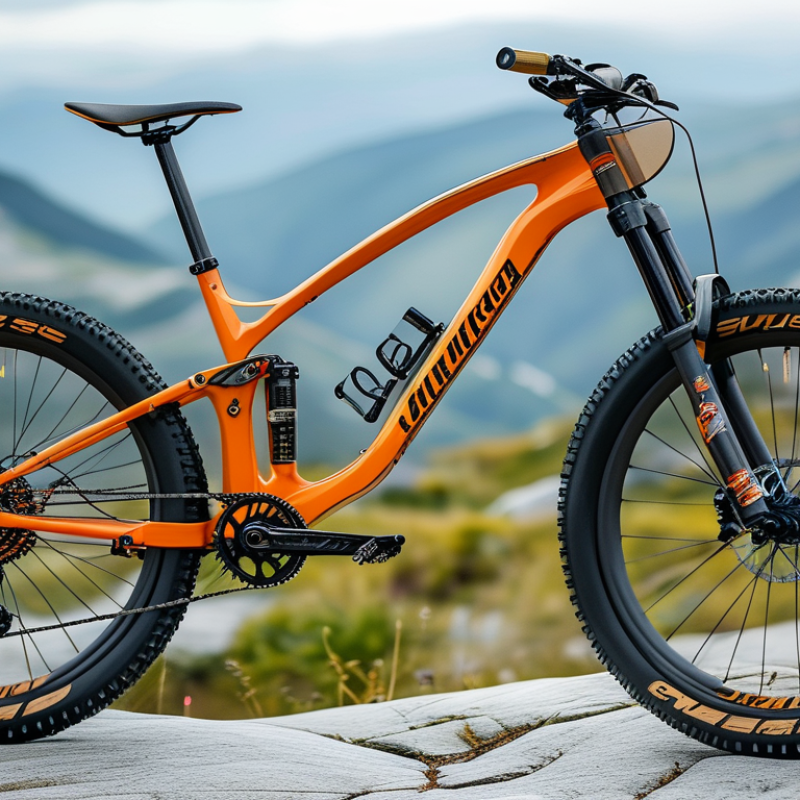
10 Essential Tips for Choosing the Right Mountain Bike Frame Size?

Understanding Mountain Bike Frame Sizes: A Comprehensive Overview

Choosing the right mountain bike frame size is key for a comfortable ride. Understanding frame sizes can significantly impact your performance and enjoyment. According to studies by cycling experts, the right fit can boost efficiency by up to 10%. A frame that’s too small can lead to discomfort and hinder your handling. Conversely, a frame that’s too large can complicate your maneuverability on technical trails.

When determining your frame size, consider your height and inseam measurements. Most manufacturers provide size charts, but they vary. Following these guidelines ensures a better fit. It's crucial to test ride several frames if possible. Feel how each one responds to your movements. Comfort may vary greatly even within the same size category.

Tip: Stand over the bike. You should have a few inches of clearance between you and the top tube. This allows for quick dismounts. Also, pay attention to your riding style. A more aggressive position may require a smaller frame. Experimentation is vital. Your ideal fit is where comfort meets control. Remember, even a slight miscalculation can affect your ride in the long run.

The Importance of Proper Frame Size for Comfort and Performance

Choosing the right mountain bike frame size is crucial for comfort and performance. An ill-fitting bike can lead to discomfort and even injury. Research shows that 80% of cyclists experience discomfort due to improper frame size. This statistic highlights the importance of getting it right.


Proper frame size can enhance your riding experience. A well-sized frame allows for better control and stability. According to a study from the International Mountain Bicycling Association, riders with the right frame size can improve their performance by up to 30%. These gains are significant, especially on challenging terrain.


Understanding your body dimensions is essential. Reach, standover height, and inseam length all contribute to finding the correct size. Many bike shops offer measurement services to help. If a bike feels cramped or too stretched, it’s time to reassess your choice. Inadequate space can hinder your ability to maneuver effectively. Make adjustments to find a balance that works for you.

Key Measurements for Determining Frame Size: Reach, Stack, and More

Choosing the right mountain bike frame size is crucial for comfort and performance. Key measurements play a significant role. Reach and stack are two essential dimensions that help you find the best fit. Reach measures the distance from the bottom bracket to the top of the head tube. A longer reach can provide a more aggressive riding position. However, it might also feel stretched out for some riders.

Stack is another important measurement. It indicates the height difference between the bottom bracket and the top of the head tube. A higher stack often suits riders who prefer a more upright position. This can enhance comfort during long rides. Understanding these terms can be tricky. Sometimes, new riders overlook them entirely, leading to poor fit.

Other factors, like inseam length and overall height, should not be ignored. These measurements affect how you interact with the bike. Don't hesitate to consult with experts if you're unsure. A well-fitting frame will enhance your riding experience significantly. Ideally, testing out different sizes before making a decision is a good approach. Remember, a frame that works for one person might not work for another.

Frame Size Measurements for Mountain Bikes

Industry Standards: How Different Brands Fit into Size Categories

When choosing a mountain bike frame, understanding industry standards is crucial. Each brand often has its own sizing chart, which can lead to confusion. It’s essential to know that a “medium” in one brand may not equal a “medium” in another. This inconsistency can vary due to differences in geometry and construction materials. Therefore, always refer to the specific size guide provided by the manufacturer.

Consider your body measurements carefully. Your inseam, height, and arm reach all contribute to finding the right fit. Some brands utilize a numerical size system, while others stick with small, medium, and large categories. Being aware of how these systems correlate can help narrow your options. A bike may feel too big if you overlook these details.

Testing the bike before buying can also reveal fit issues that charts can’t convey. Leaning forward or having difficulty reaching the handlebars can impact your riding experience. Taking the time to find a bike that fits will enhance your riding comfort and performance. Make adjustments if necessary, even after initial selection. A good fit is about comfort and control, not just following a label.

Testing and Adjusting Frame Size: Ensuring a Perfect Fit for Your Ride

Finding the right mountain bike frame size is crucial for a comfortable ride. To ensure a perfect fit, start by measuring your inseam. This dimension helps determine your standover height, a key measurement for safety and comfort. Stand over the bike frame with at least one inch of clearance between your body and the top tube. If you can't achieve this, reevaluate the size.

Testing the bike before purchase is essential. Take it for a short ride. Pay attention to how your body feels. Are your arms fully extended? Do your knees hit the handlebars? These factors matter. Adjusting the seat height is another vital aspect. Raise or lower the saddle until your leg nearly straightens at the bottom of the pedal stroke. This adjustment can significantly affect your pedaling efficiency.

Don’t overlook the importance of handlebars. The width and height should match your shoulder width for proper control. If you find yourself reaching too far, this may impact stability. Keep in mind that frame materials can influence how a bike feels. It could be too stiff or too flexible for your liking. Collect feedback on your experience, and don’t hesitate to seek advice from knowledgeable cyclists. Every rider is unique, and what works for one may not work for another.

FAQS

: What is reach in mountain bike sizing?

: Reach measures the distance from the bottom bracket to the top of the head tube.

How does reach affect riding position?

A longer reach can lead to a more aggressive riding position but may feel stretched for some riders.

What does stack mean in bike frame sizing?

Stack indicates the height difference between the bottom bracket and the top of the head tube.

Who benefits from a higher stack?

Riders preferring an upright position often benefit from a higher stack, enhancing comfort on long rides.

Why is it important to consider inseam length?

Inseam length affects how you interact with the bike, impacting comfort and control.

How can sizing charts be misleading?

Different brands have unique sizing charts. A "medium" in one brand may not match another brand's "medium."

What should I do if I'm unsure about bike sizing?

Consulting with experts can help you make a more informed decision about the right frame size.

Why is testing a bike important?

Testing reveals fit issues that sizing charts cannot, impacting comfort and overall riding experience.

Can adjustments be made after purchasing a bike?

Yes, it's advisable to make adjustments even after initial selection to improve fit and control.

What is a common mistake when choosing a bike?

Ignoring detailed measurements can lead to selecting a frame that feels too big or uncomfortable.

Conclusion

Choosing the right frame size for a mountain bike is crucial for maximizing both comfort and performance on your rides. A comprehensive overview of mountain bike frame sizes highlights the key measurements to consider, such as reach and stack, which help determine the appropriate fit. Understanding these measurements allows you to make informed decisions, ensuring that your mountain bike is tailored to your physical dimensions and riding style.

Additionally, familiarizing yourself with industry standards can guide you through the different size categories offered by various manufacturers. It’s important to test and adjust frame sizes as needed to find that perfect fit. By focusing on how to choose the right frame size for a mountain bike, you can enhance your overall biking experience, significantly reducing the risk of discomfort and maximizing your cycling efficiency.

Liam

Liam

Liam is a dedicated marketing professional with a profound expertise in the industry, where he excels at highlighting the unique advantages of our core products. With a keen understanding of market trends and consumer needs, Liam frequently updates our company’s professional blog, providing......