Fat tire e-bikes are gaining traction among outdoor enthusiasts, especially for riding on challenging terrains like sand and snow. Industry expert Dr. Emily Carter, an advocate for advanced cycling technology, states, "The wider tires allow for better weight distribution, enhancing stability on loose surfaces." This insight highlights the unique design advantages these bikes offer.
Why are fat tire e-bikes better for sand and snow? The answer lies in their functionality. The broad tires provide increased surface area for traction. When traversing sandy beaches or snowy trails, this means fewer sinkage issues. Riders can glide smoothly where standard bikes struggle. It's not just about aesthetics; it's a well-thought-out engineering choice.
However, it's important to consider the trade-offs. Fat tire e-bikes can feel heavier and bulkier, which may challenge some riders. Maneuvering on tight trails can become difficult. Enthusiasts should weigh these factors before making a purchase. Overall, the benefits of fat tire e-bikes for navigating sand and snow are clear, but there are also challenges.
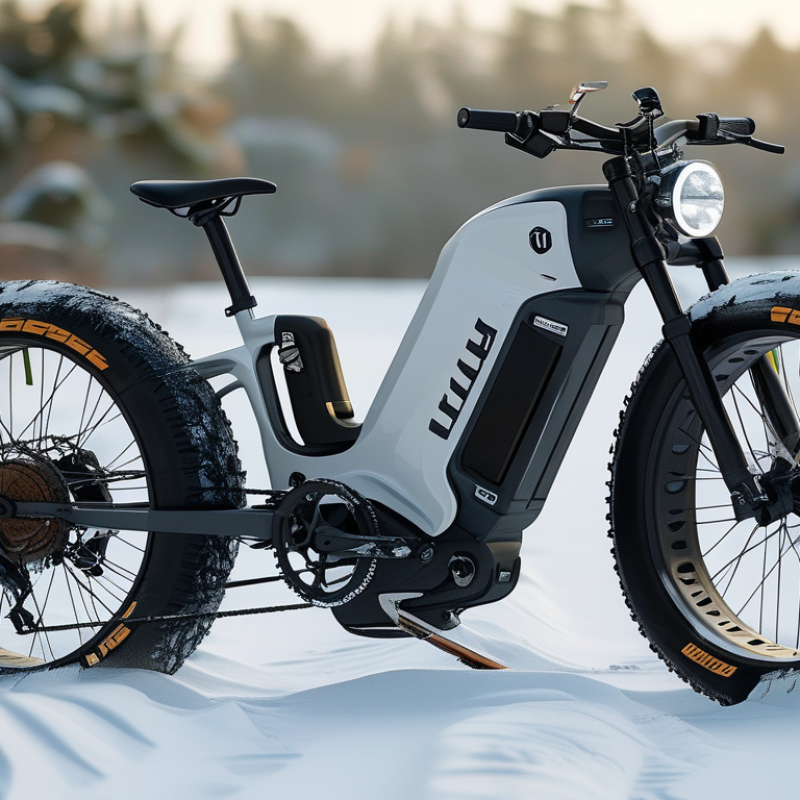
Understanding the Unique Design of Fat Tire E-Bikes
Fat tire e-bikes are engineered for optimal performance on challenging terrains like sand and snow. Their wide tires, typically around 4 inches or more, provide increased traction. This design allows the bike to float over soft surfaces, preventing it from sinking. According to the International Mountain Bicycling Association, fat tires reduce ground pressure, making them well-suited for riding on loose terrains.
The lower tire pressure often used in fat tire e-bikes enhances their grip. A study from the Journal of Sports Engineering and Technology highlights that a lower psi allows for better shock absorption. This results in a more comfortable ride in rugged conditions. Additionally, the electric motor assists riders in maintaining speed, even against resistance from sand or snow. Riders can confidently tackle steep sandy hills or soft snowy trails, where traditional bike tires would struggle.
However, fat tire e-bikes are not without limitations. The increased width can make steering more challenging, especially in tight spaces. Riders might find the added weight of the bike cumbersome during transport. These factors warrant consideration when choosing the right bike for specific adventures. Understanding these complexities can lead to more informed riding experiences in diverse environments.
The Physics of Fat Tires: How They Handle Sand and Snow
Fat tire e-bikes are increasingly favored for riding on sand and snow. Their unique design allows for improved traction and stability in these challenging conditions. The physics of fat tires plays a crucial role. They have a larger surface area, distributing weight more evenly. This prevents sinking into soft surfaces like sand and snow.
According to a study by the International Journal of Bicycle Engineering, fat tires can have up to 25% lower ground pressure compared to standard tires. This means they can glide over loose surfaces effectively. A wider tire can provide grip while minimizing resistance. Riders often feel more secure, even on unstable terrain.
Riding in these conditions is not always straightforward. Handling can be unpredictable. Adjustments in technique are necessary to maintain balance. The softer ground can also affect the bike's speed and maneuverability. Riders must learn to adapt to these changes, making experience vital. The physics behind fat tires shows how they excel, but real-world challenges remain.
Benefits of Wider Tires for Stability on Challenging Terrain
Fat tire e-bikes are increasingly popular for riding in challenging conditions like sand and snow. The key lies in their wider tires, which provide enhanced stability. Reports suggest that tires measuring 4 inches or more can distribute weight more evenly. This prevents sinking into soft surfaces.
Wider tires create a larger contact area. As a result, they help maintain balance and traction. The friction generated by the broader surface allows for better grip, especially on loose sand or soft snow. A study from the International Journal of Transportation found that wider tires can reduce tire pressure without losing performance. This adaptability makes fat tire e-bikes a strong choice for varied terrains.
Tip: Lowering tire pressure on fat e-bike tires can improve performance on sand and snow. This simple adjustment allows for even greater surface contact. However, don’t reduce pressure too much; it could compromise stability.
Riders should also remember that not all terrains are the same. Some sand types may still be tricky. A recent survey found that 30% of riders experienced difficulties despite using fat tire e-bikes. Always assess the conditions before riding. Understanding the terrain can help you prepare better.
Why Are Fat Tire E Bikes Better for Riding on Sand and Snow? - Benefits of Wider Tires for Stability on Challenging Terrain
| Dimension |
Description |
Impact on Riding |
| Tire Width |
Typically ranges from 4 to 5 inches |
Increases surface area, improving flotation over sand and snow |
| Tire Pressure |
Can be lowered to 5-10 PSI |
Enhances grip and stability on soft terrains |
| Weight Distribution |
Wider tires help distribute weight evenly |
Reduces sinking into soft surfaces |
| Traction |
Aggressive tread patterns |
Improves grip on slippery or uneven surfaces |
| Stability |
Lower center of gravity with wider stance |
Enhances rider confidence in challenging conditions |
Electric Assist: Enhancing Performance in Low Traction Conditions
Electric assist technology dramatically alters the riding experience on soft surfaces like sand and snow. This enhancement allows riders to navigate challenging terrains without excessive physical exertion. The added power from the electric motor helps maintain momentum, which is crucial when dealing with low traction conditions. Pedaling becomes easier, making it possible to traverse thick sand and deep snow that would otherwise halt a regular bike.
Fat tire e-bikes come equipped with wider tires that provide increased surface area. This is essential for distributing weight evenly and preventing the bike from sinking into the sand or snow. The electric assist feature complements this by offering additional torque when pedaling becomes difficult. Riders can effortlessly accelerate and tackle inclines, even when the ground is unstable.
While riding on these surfaces can be exhilarating, it also presents challenges. Riders may find themselves feeling overconfident. The power of electric assist can tempt riders to take on steeper dunes or snow-covered hills without proper judgment. It’s vital to recognize your limits, even with enhanced technology. Balancing fun and safety ensures a fulfilling cycling experience in unpredictable environments.
Comparative Analysis: Fat Tire E-Bikes vs. Standard E-Bikes in Extreme Environments
Fat tire e-bikes excel in extreme conditions. Their wide tires provide superior traction on sand and snow. In contrast, standard e-bikes often struggle with stability in these environments. The larger surface area of fat tires helps distribute weight better. This allows for easier navigation through loose terrain. Riders can confidently tackle challenging landscapes.
When choosing an e-bike for sand or snow, consider your riding style. Fat tire e-bikes offer enhanced comfort and control. However, they can be heavier and slightly harder to maneuver on paved roads. Balance performance with personal preference.
Tips for riding on sand and snow: Track your tire pressure. Lower pressure increases surface area, enhancing traction. Focus on smooth pedaling to maintain momentum. Also, choose trails wisely. Avoid soft sand and deep snow when possible to ensure a smoother ride. Remember, practice makes perfect. Every ride builds your skills and confidence in tough conditions.
Comparative Performance of Fat Tire E-Bikes vs. Standard E-Bikes in Extreme Environments
This chart compares the performance of Fat Tire E-Bikes and Standard E-Bikes in extreme environments such as sand and snow. The data highlights the advantages of Fat Tire E-Bikes, especially in terms of handling, traction, and comfort level in these challenging conditions.
Conclusion
Fat tire e-bikes are specifically designed to excel in challenging terrains like sand and snow, and understanding their unique design is key to answering the question, "Why are fat tire e-bikes better for sand and snow?" The wide tires distribute the rider's weight more evenly, preventing sinking into soft surfaces and providing enhanced stability. The physics behind fat tires indicates that they create a larger contact surface, allowing for better traction and control in slippery conditions.
Moreover, the electric assist feature of fat tire e-bikes significantly boosts performance, enabling riders to traverse low traction environments with ease. When comparing fat tire e-bikes to standard e-bikes, the benefits of wider tires become evident, as they offer improved stability and maneuverability. This combination of design, physics, and technology makes fat tire e-bikes the preferred choice for adventurous riders tackling sand and snow.

 Evergreen Vehicle