When it comes to off-road mountain biking, one crucial question arises: "What is the best tire pressure for off-road mountain biking?" Expert cyclist Sarah Thompson emphasizes, "Finding the right tire pressure can significantly enhance grip and comfort." Understanding tire pressure is essential for every mountain biker.
Proper tire pressure impacts handling and performance on rugged trails. Too much pressure can lead to a rough ride and decreased traction. Conversely, too low pressure risks pinch flats and poor control. Finding the balance is key.
Many cyclists experiment with tire pressure based on their weight, terrain, and experience. It's a process of trial and error. The ideal pressure may vary. Athletes often have differing opinions on what works best. While there are guidelines, each rider must consider their unique preferences and the trail conditions. This can be a frustrating yet insightful journey for many bikers.
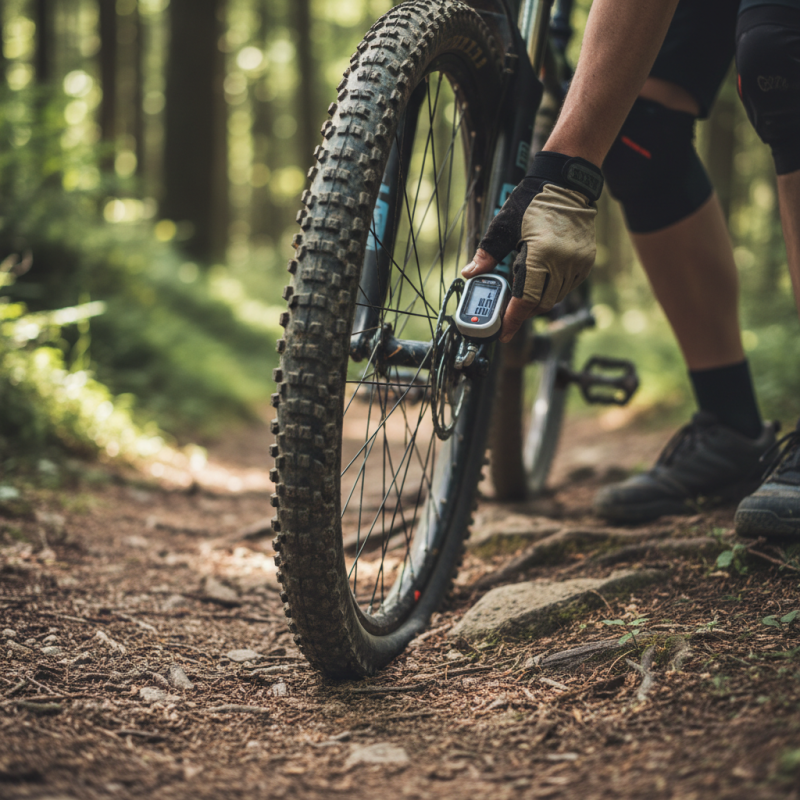
Understanding tire pressure is crucial for off-road mountain biking. Too low, and you risk pinch flats. Too high, and you lose traction on the trails. The right pressure allows for improved control and stability, especially on uneven terrain. It can make or break your ride.
Proper tire pressure varies based on rider weight, terrain type, and tire size. Generally, mountain bikers find pressures between 25 to 30 PSI effective. Lighter riders or those on rugged trails may go as low as 20 PSI. This helps tires conform to rocks and roots. However, keep an eye on your pressure. Under-inflation can lead to poor performance.
Tips: Always check your tire pressure before a ride. Use a reliable gauge for accuracy. Adjust according to trail conditions. If you’re facing slippery mud, slightly increase pressure. When tackling rocky paths, decrease pressure for better grip. Remember, your comfort and safety depend on it.
The ideal tire pressure for off-road mountain biking can significantly impact performance. Several key factors influence this pressure. Terrain type is critical. Rocky trails require higher pressures to avoid pinch flats, while soft mud or sand benefits from lower pressures for better traction.
Rider weight is another consideration. Heavier riders may need to increase pressure to prevent tire damage, while lighter riders can reduce pressure for comfort. Additionally, tire width plays a role. Wider tires can operate at lower pressures without compromising stability, allowing for greater traction on uneven surfaces.
Tips: Start at a baseline of 28-30 PSI for most off-road conditions. Adjust based on your weight or terrain. Always check tire pressure before rides; it may not be perfect every time. Maintain a balance between pressure and comfort for the best experience. Listen to your bike; it will reflect how your setup performs.
When it comes to off-road mountain biking, tire pressure is crucial. The right PSI (pounds per square inch) can significantly impact your ride. For rocky terrain, a lower pressure between 25-30 PSI improves traction. This allows your tires to contour around rocks and roots, providing better grip.
In soft, loose conditions such as sand or mud, consider even lower pressures, around 20-25 PSI. This allows the tire to spread out, increasing the contact surface. However, be cautious. Too low can lead to pinch flats.
**Tips:** Always check your tire pressure before starting your ride. Bring a pressure gauge for accurate readings. Adjusting based on terrain type can be beneficial. Experimentation is key. You may find a combination that works best for your style. Remember, results can vary widely based on rider weight and bike type. Stay flexible and make adjustments.
Adjusting tire pressure for off-road mountain biking is crucial for balancing grip and comfort. Lowering the pressure increases traction, allowing tires to flex and conform to uneven terrain. This flexibility helps maintain better control when navigating rocks, roots, and mud. However, excessively low pressure can lead to pinch flats and loss of control on hard surfaces.
In contrast, higher pressure will enhance rolling efficiency. It may be beneficial for smoother stretches of trail. Yet, riding with inflated tires on bumpy terrain can contribute to a harsh ride. Finding the sweet spot requires experimentation. Riders often feel uncertain about making the right adjustments.
Keep in mind the influence of external conditions. Wet or loose surfaces demand different pressures compared to hard-packed trails. It's worth reflecting on personal experiences and preferences. Over time, adjustments based on different trails can lead to improved performance and comfort. Trust your instincts but also be open to change for better outcomes.
| Riding Condition | Recommended Pressure (PSI) | Benefits | Drawbacks |
|---|---|---|---|
| Rocky Terrain | 25-30 PSI | Improved grip and shock absorption | Potential for pinch flats |
| Mud and Soft Soil | 20-25 PSI | Increased surface area for better traction | Lowered speed and potential for rolling off the rim |
| Technical Trails | 28-32 PSI | Optimal balance of grip and speed | Less cushion on rough impacts |
| Desert and Hardpack | 30-35 PSI | Reduced rolling resistance | Less grip on loose surfaces |
Maintaining the right tire pressure is crucial for off-road mountain biking. Proper pressure enhances traction, comfort, and control on rough terrain. Overinflated tires can reduce grip, while underinflated tires may lead to pinch flats. Therefore, checking your tire pressure before each ride is essential.
Tips for checking your tire pressure include using a reliable gauge. Aim for a range between 25-30 psi for most trails, but adjust based on the terrain. Soft ground may require lower pressure, while rocky paths benefit from higher inflation. Squeeze the tire with your fingers to assess pressure. If it feels overly soft or hard, adjust accordingly.
Regular maintenance of your bike's tires helps in the long run. Inspect for wear and damage each month. Remember, it's not always easy to find the perfect pressure. You might need to experiment to see what feels right. Adjust your pressure after each ride and take notes. This practice showcases the journey of improvement while biking through diverse trails.
: Tire pressure affects control, stability, and traction. Too low can cause flats; too high can reduce grip.
Generally, 25 to 30 PSI works well. Lighter riders might go as low as 20 PSI for rocky trails.
Rocky trails benefit from lower pressure for grip. Soft conditions like mud require even lower pressures.
Use a reliable gauge. Squeeze the tire to feel if it’s soft or hard and adjust accordingly.
Increase your tire pressure slightly to improve traction. Adjust based on the condition of the trail.
Regularly inspect your tires for wear. Adjust pressure after rides and keep notes on what works best.
Yes, overinflated tires can reduce grip and make rides less comfortable on uneven terrain.
Experiment with different pressures based on your weight and riding style. It may take time to find the best fit.
Heavier riders may require higher pressure for support. Lighter riders can lower pressure for improved traction.
Yes, under-inflation can lead to poor performance and pinch flats. Always monitor your pressure before rides.
When considering "what is the best tire pressure for off-road mountain biking," it’s essential to understand the significance of tire pressure in enhancing performance and safety on rugged terrains. Ideal tire pressure is influenced by various factors, including rider weight, bike type, terrain conditions, and personal riding style. Typically, lower pressures provide better grip and comfort on rough surfaces, while higher pressures may be favorable for smoother trails.
To achieve optimal performance, recommended tire pressure ranges vary depending on the terrain—soft, muddy trails may require lower pressure, while rocky paths might call for slightly higher settings. Adjusting tire pressure according to riding conditions is key to balancing grip and comfort. Regularly checking and maintaining tire pressure ensures a smoother, safer ride, enabling mountain bikers to fully enjoy their off-road adventures.

Evergreen Vehicle