Climbing ability is a practical concern for many electric mobility scooter users. A gentle-looking hill can feel surprisingly demanding when the battery is low, the surface is wet, or the rider carries extra weight. Learning How to improve the climbing ability of an electric mobility scooter begins with understanding these everyday conditions, not simply choosing a more powerful motor.
Real-world experience shows that tire pressure, battery condition, and riding technique can change hill performance noticeably. Properly inflated tires maintain better contact with the ground. A fully charged, healthy battery delivers more consistent power than an old or neglected one. Before climbing, riders should reduce unnecessary loads, select the appropriate speed setting, and approach the slope steadily. Sudden stops may make restarting difficult. Keep both hands firmly on the controls.
The scooter’s specifications also matter. Motor power, maximum safe gradient, total user weight, ground clearance, and traction should be checked together. Manufacturer guidance is more reliable than advertising claims or casual online advice. A short test on private, level-to-moderate terrain can reveal how the scooter behaves before a longer journey. Do not guess.
Some improvements require professional inspection. Unusual noises, overheating, slipping, or rapid battery loss may indicate mechanical or electrical problems. A qualified technician can assess these issues safely. It is also important to recognize personal limits, because a scooter that climbs one hill may struggle on another. Weather changes everything. This guide examines practical adjustments, maintenance habits, equipment choices, and safety decisions that can support better climbing performance without creating false confidence.
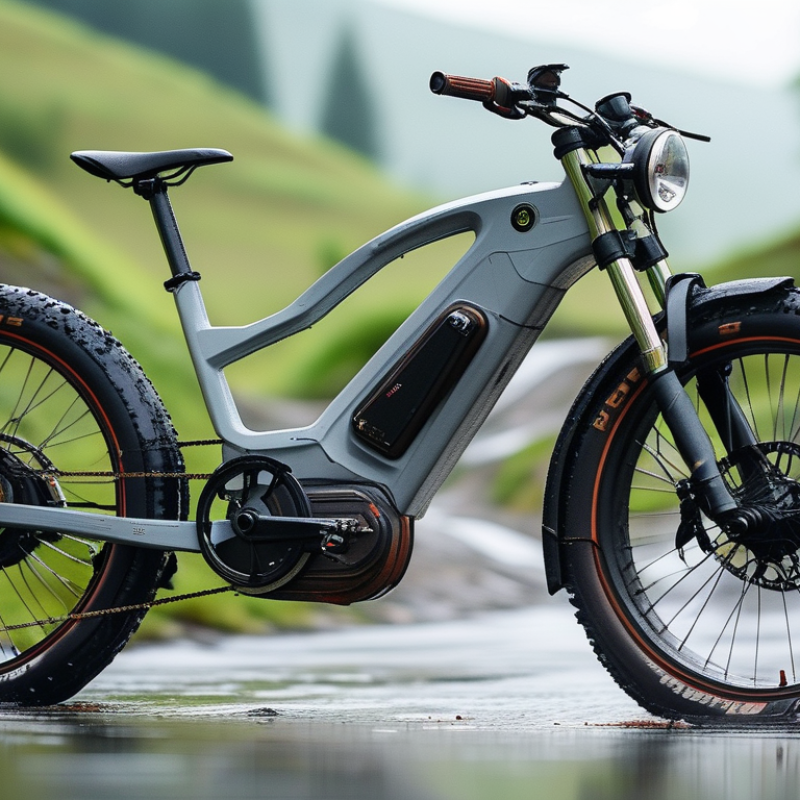
How to Improve Electric Mobility Scooter Climbing Ability?
Assess the Scooter’s Current Climbing Performance
Start with the scooter’s published maximum slope, but treat it as a laboratory figure. ISO 7176-10:2008 evaluates powered mobility equipment under controlled conditions. Real streets add loose gravel, wet leaves, uneven surfaces, and extra passenger weight. A 10-degree slope equals about a 17.6% grade. That difference matters.
Measure performance on a dry, familiar incline. Use a phone inclinometer, not guesswork. Record the rider’s weight, battery level, surface type, and distance. Test at least three times. Watch for slowing, wheel spin, steering pull, motor heat, or sudden battery loss. ISO 7176-2:2019 also highlights dynamic stability, so climbing speed alone does not prove safe performance. This is where many owners misjudge their scooter. I have seen a scooter manage a short ramp, then struggle on a longer hill. Heat and fatigue change the result.
Tips: Begin with a gentle slope and a fully charged battery. Keep the drive wheels aligned uphill. Avoid stopping midway. Do not exceed the manual’s stated gradient. Record results in a simple log. If performance drops sharply, ask a qualified technician to inspect tire pressure, brakes, battery condition, and motor output. A stronger battery may not fix a worn transmission. That assumption deserves questioning.
| Assessment Dimension | Test Method or Definition | Recorded Data | Reference Interpretation | Assessment Status |
|---|---|---|---|---|
| Test surface | Use a clean, dry, hard surface with a consistent slope and no loose gravel, standing water, or abrupt edges. | Dry concrete; ambient temperature 20 °C | Repeat testing on the same surface because traction can change significantly with moisture, dust, and loose material. | Suitable |
| Total test load | Combine the rider, clothing, mobility scooter, battery, and carried items. Do not exceed the scooter’s rated maximum load. | 118 kg total | A consistent load makes comparisons between flat-ground and hill tests more reliable. | Recorded |
| Flat-ground baseline speed | Measure steady speed on a level surface before testing the incline. Use the same battery charge and riding mode for every run. | 6.0 km/h | The baseline is used to identify speed loss while climbing. | Baseline set |
| 5° incline | Travel uphill for at least 10 m from a rolling start. Record the lowest stable speed and whether steering remains controlled. | 5° ≈ 8.7% grade; 5.1 km/h | Speed loss from baseline: approximately 15%. The scooter maintains useful climbing momentum. | Stable |
| 8° incline | Repeat the same test after allowing the motor and controller to cool. Stop if the scooter rolls backward or becomes difficult to steer. | 8° ≈ 14.1% grade; 3.7 km/h | Speed loss from baseline: approximately 38%. The reduced speed indicates increased motor demand. | Monitor |
| 10° incline | Perform only on a controlled, unobstructed test slope with a spotter and an accessible escape route. | 10° ≈ 17.6% grade; 2.1 km/h | Speed loss from baseline: approximately 65%. Low speed and reduced steering response require extra caution. | Near limit |
| 12° incline | Do not attempt unless the scooter’s manufacturer documentation specifically permits the slope and a safe controlled test is possible. | 12° ≈ 21.3% grade; unable to complete | Failure to complete the slope indicates that this incline should not be used for routine travel with the tested load. | Not suitable |
| Battery state of charge | Record the battery percentage before and after each comparable run. Avoid comparing a full-battery test with a low-battery test. | Before: 100%; after hill series: 86% | A substantial charge reduction during repeated hill tests can contribute to lower voltage under load and slower climbing. | Track closely |
| Motor and controller temperature | Check the temperature according to the scooter’s service instructions. Allow cooling between repeated climbs if heat protection activates. | Motor housing: 54 °C after 8° test | Temperature should be evaluated against the component manufacturer’s specified operating limits; repeated overheating indicates excessive hill demand. | Monitor |
| Tire condition and pressure | Inspect tread, sidewalls, and inflation pressure before testing. Set pressure only within the value specified for the tire or scooter. | No visible damage; pressure checked before test | Underinflation, overinflation, worn tread, or a damaged tire can reduce traction and alter climbing performance. | Checked |
| Acceleration from a stop | On a mild incline, test whether the scooter can start smoothly without excessive wheel spin, rollback, or abrupt controller cut-out. | Starts on 5° incline; slight delay on 8° incline | A delayed start suggests that load, battery condition, traction, or motor torque should be investigated before steeper climbing. | Needs review |
| Braking and rollback control | Test stopping on a safe, mild slope with a spotter. Never rely on the parking brake alone to hold the scooter on a steep incline. | Controlled stop on 5°; rollback prevention not verified on 10° | Do not use a slope if the scooter cannot stop, hold position, or restart under controlled conditions. | Safety check required |
| Recommended operating limit from this assessment | Choose a routine-use limit below the point where speed, steering, traction, thermal behavior, or braking becomes difficult to control. | Routine use: up to approximately 5° under the tested load | This test result is specific to the tested scooter, load, surface, battery condition, and weather. It is not a substitute for the scooter’s official slope rating. | Practical limit |
| Safety note: A slope percentage is not the same as a slope angle. Grade (%) = vertical rise ÷ horizontal run × 100; for example, 10° is approximately 17.6% grade. Always follow the scooter’s official specifications, use a spotter during testing, and stop immediately if traction, steering, braking, or motor temperature becomes unsafe. | ||||
Test it on a dry, familiar slope using a phone inclinometer. Record rider weight, battery level, surface, and distance. Repeat the test three times. Guessing is unreliable.
Published limits usually come from controlled testing. Real roads may include gravel, wet leaves, uneven pavement, or extra weight. A short ramp may feel easy, while a longer hill creates heat and fatigue.
Watch for slowing, wheel spin, steering pull, motor heat, or sudden battery loss. Repeated power cuts also matter. Stop if controls behave unpredictably.
Approach slowly and face the slope directly. Keep both hands on the handlebars. Maintain steady speed without sudden acceleration. Move your body slightly forward, but do not lean over the controls.
Avoid wet leaves, loose gravel, sharp turns, and sideways slopes. These conditions can reduce traction and stability quickly. Small hazards become serious on inclines.
Correct tire pressure reduces rolling resistance and improves traction. Check pressure on level ground before longer rides. Inspect tread for cracks, uneven wear, and embedded stones. Low pressure was once my mistaken “motor problem.”
Not always. Low tire pressure, a dragging brake, worn drive parts, or motor faults may cause weakness. Inspect simple causes before replacing expensive components. A stronger battery may not fix a worn transmission.
Do not force it higher. Stop only on stable ground, then apply the brake carefully. Avoid stopping midway when possible, because restarting uphill may be difficult. Leave extra space behind other riders.
Charge the battery according to the operating instructions. Avoid extreme heat and cold during storage. Check charging ports and cables for moisture or damage. Unusual noise, burning smells, or delayed movement require qualified inspection.
Seek help after sharp performance loss, repeated power cuts, unusual heat, or unpredictable controls. A technician can inspect brakes, battery condition, electrical faults, and drive components. Do not continue steep-hill testing.
How to improve the climbing ability of an electric mobility scooter starts with evaluating its current performance on slopes, including speed loss, motor strain, battery consumption, and stability. Once these factors are understood, choose a motor and battery system that can provide suitable hill power without exceeding the scooter’s safe operating limits. Tire condition and tread also matter, as good grip helps prevent slipping on uneven or inclined surfaces. Adjusting weight distribution, reducing unnecessary loads, and ensuring adequate ground clearance can further improve traction and control.
Riding technique is equally important. Approach hills at a steady speed, avoid sudden stops or sharp turns, and keep both hands firmly on the controls. Regular maintenance, including checking tire pressure, brakes, battery condition, motor connections, and suspension components, helps preserve climbing performance over time. By combining suitable equipment, proper setup, careful riding habits, and routine inspections, users can achieve safer, smoother, and more reliable hill climbing.

 Evergreen Vehicle