Choosing a battery for an electric vehicle is not merely a chemistry preference; it shapes range, charging time, payload, and replacement costs. The IEA’s Global EV Outlook 2024 reports that electric-car sales reached nearly 14 million in 2023, about 18% of global car sales. That growth makes battery decisions increasingly relevant, but it does not mean every EV needs the same pack. In many modern passenger EVs, lithium-ion batteries power the vehicle, while lead-acid batteries may serve only its 12-volt accessories. That distinction matters. Lead-acid also appears in some low-speed vehicles and specialized fleets, where upfront cost, simple charging, and established servicing can outweigh driving range. This is not a universal rule.
BloombergNEF’s 2023 Battery Price Survey placed the average lithium-ion pack price at $139 per kilowatt-hour, down 14% from 2022. That figure is a market average, not a quote for a particular vehicle or battery pack. Lithium-ion generally offers more usable energy per kilogram and longer service life. Lead-acid can cost less initially and is familiar to many technicians. Actual results depend on chemistry, temperature, depth of discharge, charging equipment, and maintenance. A simple price comparison can mislead. How to choose between lead-acid and lithium batteries for EVs depends on vehicle design, daily distance, and carried load. Charging access and expected replacement timing matter too. Not always. This comparison has limits; check the vehicle’s specifications and warranty before weighing the trade-offs.
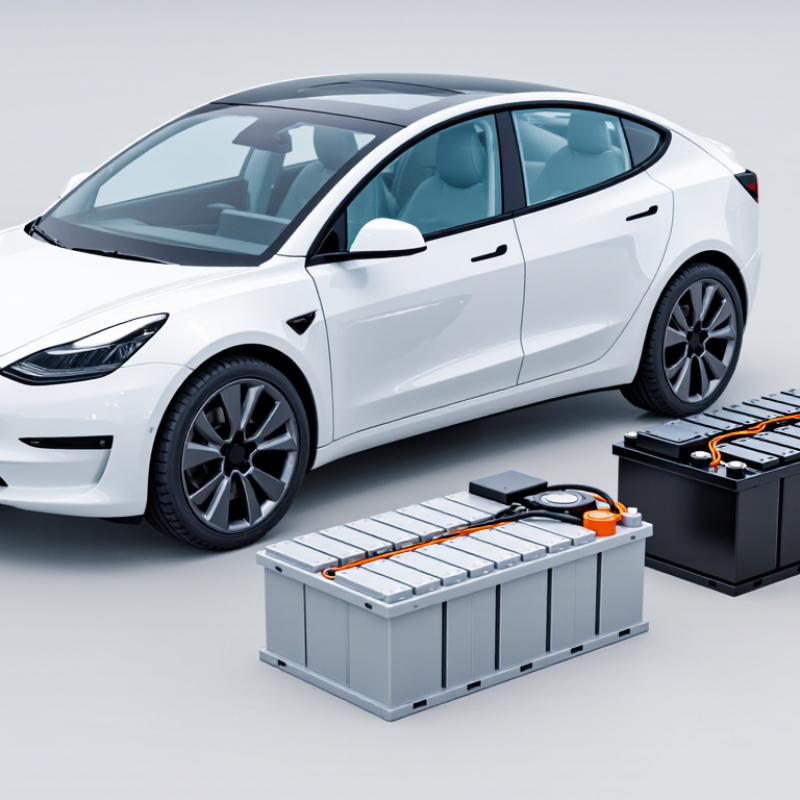
An electric vehicle’s battery pack is its energy reservoir, but the pack does more than hold charge. Lithium-ion cells send direct current to an inverter, which controls power flowing to the motor. Press the accelerator, and the system increases motor output. Slow down, and regenerative braking can send some energy back to the battery. A useful loop. The U.S. Department of Energy’s Alternative Fuels Data Center describes traction batteries as the main power source for an electric motor.
Battery chemistry shapes how much energy fits under the floor, how quickly it can be delivered, and how the pack must be managed. Lithium-ion batteries usually provide the traction power in modern electric cars. Lead-acid batteries, with lower energy density, are more commonly used for auxiliary loads, such as lighting and control systems. They still have a job. The International Energy Agency reported that electric-vehicle battery demand reached about 750 GWh in 2023, up roughly 40% from 2022. That scale makes battery performance more than a laboratory concern.
A battery management system monitors cell voltage and temperature, helping keep operation within safe limits. Cooling matters on a steep climb, during fast charging, and on a hot afternoon in traffic. Range is not chemistry alone; vehicle weight, speed, weather, and driving habits also matter. That part is easy to overlook. Even a well-designed pack cannot make every trip equally efficient.
| Comparison dimension | Lithium-ion batteries | Lead-acid batteries | What it means for an EV |
|---|---|---|---|
| Typical specific energy | Generally about 100–265 Wh/kg at the cell level, depending on chemistry and design. | Generally about 30–50 Wh/kg at the cell level. | Lithium-ion stores substantially more energy for a given battery mass, supporting longer range or a lighter vehicle. |
| Usable capacity | Battery-management systems commonly allow a large portion of rated capacity to be used; the exact reserve varies by design. | Deep-cycle use is often limited to roughly 50% depth of discharge to help preserve service life. | A lead-acid pack may need much greater rated capacity to provide the same routinely usable energy. |
| Cycle life | Often around 1,000–3,000 cycles or more, depending on chemistry, temperature, charge limits, and usage. | Deep-cycle batteries commonly provide a few hundred cycles; results vary considerably with discharge depth and care. | Longer cycle life can reduce the frequency of battery replacement, although actual life depends on operating conditions. |
| Charging efficiency | Typically about 90–95% round-trip energy efficiency. | Typically about 70–85% round-trip energy efficiency. | Higher efficiency means less energy is lost during charging and discharging. |
| Charging time | Can accept relatively high charging power when the pack, charger, and temperature allow it. | Charging is generally slower, particularly near full charge, and prolonged charging may be needed to complete absorption. | Vehicle charging speed depends on the battery and charging equipment; lead-acid chemistry can make frequent rapid charging less practical. |
| Weight and packaging | High energy per unit of mass and volume allows a more compact traction pack. | Lower energy per unit of mass and volume requires a heavier, bulkier pack for comparable usable energy. | Lithium-ion is better suited to vehicles where driving range, passenger space, and payload matter. |
| Upfront cost | Usually higher purchase cost than a comparable lead-acid battery. | Usually lower purchase cost and widely available. | Lead-acid may suit a low-cost, low-range vehicle or auxiliary system; total cost should also account for replacement and efficiency. |
| Cold-weather considerations | Low temperatures can reduce available power and charging performance. Charging below freezing generally requires careful control. | Cold temperatures reduce available capacity and can make starting or power delivery more difficult. | Both types are affected by cold. Battery controls and thermal management can help protect performance and service life. |
| Maintenance and controls | Requires a battery-management system to monitor cell voltage, temperature, and safe operating limits. | Some designs require maintenance; sealed designs reduce routine upkeep but still need appropriate charging and ventilation considerations. | Battery chemistry determines different safety, monitoring, and maintenance requirements. |
| Typical EV role | Common choice for the main traction battery in modern electric cars, buses, and many other EVs. | More often used in auxiliary, low-speed, or short-range applications than as the main battery in modern passenger EVs. | For most passenger EVs, lithium-ion’s energy and cycle-life advantages outweigh its higher initial cost. |
| Figures are representative ranges, not guarantees. Performance and service life vary with battery design, chemistry, temperature, charging practices, discharge depth, and vehicle controls. | |||
Lithium batteries usually store more energy in a smaller, lighter pack. That can help on a long commute.
It often costs less upfront and may work well for light-duty driving. Its extra weight matters less on short trips.
They tend to accept charging faster, but actual charging time depends on the charger, battery design, and temperature. Details matter.
Flooded models may need periodic water checks. Sealed models do not, but clean terminals help both types.
It can shorten their service life. Small habits add up.
No. Their management system monitors charging and temperature, and they need a compatible charger.
Cold can reduce available power or range for both types. It can also affect lithium battery charging.
It depends on use, replacement timing, warranty terms, and local costs. A higher purchase price may be worthwhile for daily driving, but I would not assume it is.
Electric vehicle batteries store energy and deliver it to the motor, but their design affects how much power, range, and service life a vehicle can offer. Lithium-ion batteries use lightweight cells with high energy density, while lead-acid batteries rely on heavier plates and liquid or absorbed electrolytes. These differences influence charging speed, usable capacity, weight, and performance over repeated charge cycles.
How to choose between lead-acid and lithium batteries for EVs depends on the vehicle’s purpose, required range, budget, and maintenance needs. Lead-acid batteries may cost less upfront and suit low-speed or short-distance vehicles, but their shorter service life and lower energy capacity can increase costs over time. Lithium-ion batteries generally require a larger initial investment, yet their lighter weight, greater range potential, and longer lifespan may make them more economical for regular use. Comparing total ownership costs, charging habits, operating conditions, and replacement needs helps identify the most suitable option.

 Evergreen Vehicle