Portable folding bikes have gained immense popularity in recent years, attracting commuters and leisure riders alike. These compact bicycles are valued for their convenience and efficient design, making them ideal for urban environments. However, an essential factor that potential buyers must consider is “What is the maximum weight capacity for portable folding bikes?” According to a report by the Bicycle Association, the average weight capacity for these bikes typically ranges from 220 to 300 pounds, depending on the model.
Understanding weight limits is crucial for safety and performance. Exceeding the recommended weight can lead to structural failure or unsafe riding conditions. A study by Cycling Weekly highlighted that many users often overlook this aspect. For instance, a bike exceeding its weight limit may suffer tire blowouts or frame damage, potentially leading to accidents. This suggests a need for better consumer awareness regarding weight capacities.
In selecting a folding bike, it is advisable to evaluate personal weight against the manufacturer’s specifications. Not all folding bikes are created equal. By remembering this, riders can ensure a safer, more enjoyable experience. Therefore, whether it’s for commuting or leisure, understanding the weight capacity is an essential part of the purchasing decision.
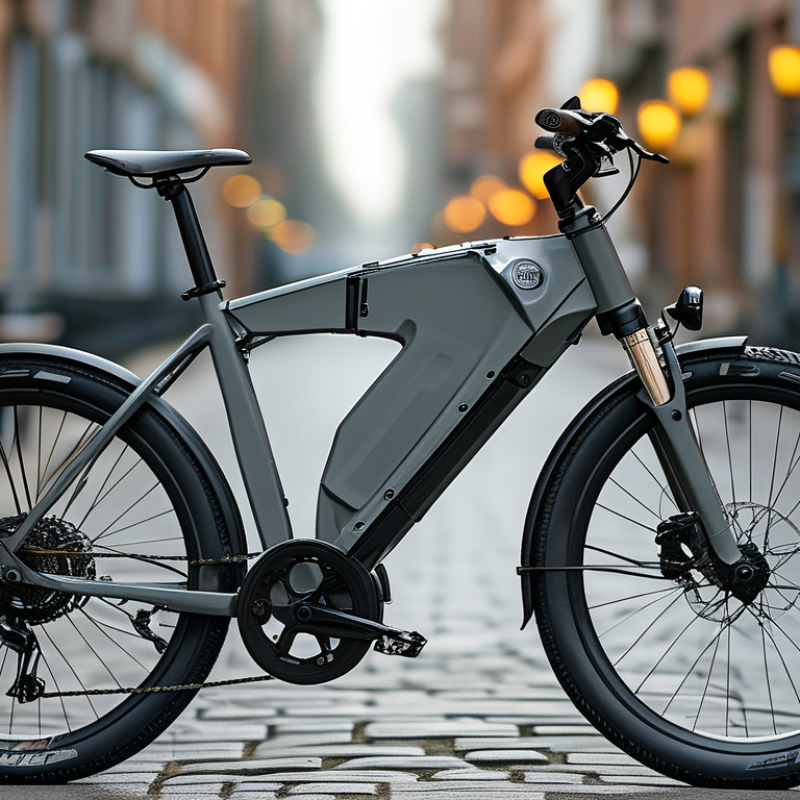
Portable folding bikes are becoming increasingly popular for urban commuting and leisure riding. Their design emphasizes convenience, but each type has different weight capacities. Understanding these can help riders select the right bike for their needs.
A typical lightweight portable folding bike can handle about 200 to 250 pounds. These bikes often feature aluminum frames for a good balance of weight and strength. Mid-range models can support 250 to 300 pounds and may include added support components. Heavier-duty folding bikes, usually designed for more rigorous use, may carry weights up to 350 pounds. It’s crucial to check the specifications of each model to ensure safety and performance.
When choosing a folding bike, consider your weight, cargo, and riding style. Always test the frame and hinges for both durability and ease of folding. Remember, the maximum weight capacity is often influenced by rider distribution. It’s advisable to avoid loading unnecessary weight on the bike.
Tip: Regular maintenance is key to extending the life and performance of your folding bike. Inspect joints and tires frequently. Keeping parts well-lubricated can prevent wear and tear. Always carry a repair kit for on-the-go fixes.
When considering the weight capacity of portable folding bikes, several factors come into play. Material composition is key. Aluminum frames are popular due to their lightweight nature yet can support a decent weight. Steel frames typically handle more weight but add bulk. The design also influences the capacity; bikes with a sturdy hinge mechanism tend to be more durable and reliable under heavy loads.
User weight is another critical factor. Many manufacturers state a maximum rider weight, but users should consider other load factors, too. Accessories and cargo can quickly add extra pounds. Riding style matters as well; aggressive riding can put more stress on the bike. Regularly inspecting the bike for wear and tear is advisable, as components can weaken over time, leading to a safety risk.
Many folding bikes also come with limited warranty coverage. This reveals the manufacturer's confidence in their product's longevity. Potential buyers should understand the implications of weight capacity. Choosing a bike that matches their needs involves careful consideration. It's essential to weigh personal requirements against the manufacturer's specifications to ensure a safe and enjoyable riding experience.
When considering folding bikes, understanding industry standards for weight limits is crucial. Most portable folding bikes have a maximum weight capacity ranging from 220 to 300 pounds. This range stems from testing protocols established by organizations like ISO and CEN. For instance, the ISO 4210 standard outlines safety requirements, ensuring bikes can safely support riders and cargo.
Moreover, manufacturers often conduct rigorous testing to meet safety norms. A study by the Bicycle Product Suppliers Association (BPSA) suggests that many folding bike models fail to meet expectations when subjected to real-world conditions. These failures can include frame instability or compromised braking efficiency. This highlights the importance of rigorous testing beyond just meeting minimum standards.
Riders should consider their weight in relation to the bike's specifications. Some components, like the hinge and frame, may not withstand higher weights consistently. A user's experience can vary significantly based on the bike's design and materials. It’s vital to review product specifications closely and look for third-party tests to ensure safety and reliability.
| Bike Type | Maximum Weight Capacity (lbs) | Recommended Rider Weight (lbs) | Typical Weight (lbs) |
|---|---|---|---|
| Standard Folding Bike | 220 | 180 | 26 |
| Heavy-Duty Folding Bike | 300 | 250 | 35 |
| Commuter Folding Bike | 275 | 220 | 30 |
| Compact Folding Bike | 200 | 160 | 22 |
| Performance Folding Bike | 250 | 210 | 28 |
When assessing the maximum weight capacity of portable folding bikes, various leading brands exhibit significant differences. According to a comprehensive industry report by the Bicycle Retailer, most folding bikes can support riders weighing between 220 to 300 pounds. This variance is crucial for buyers who may need to consider their body weight and additional cargo.
Testing conducted by the International Bicycle Fund revealed that several brands failed to meet their advertised weight limits in real-world scenarios. In some cases, frames bending were reported under loads that exceeded 20% of their stated capacity. Brands offering enhanced durability often employ high-grade aluminum or reinforced steel. This choice can increase stability and reduce collapse under pressure.
Consumer feedback highlights the importance of matching a bike's specifications with user needs. Riders often overlook these factors, prioritizing design over safety. Research indicates that improper weight management causes mechanical failures, affecting both performance and longevity. A thorough examination of weight limits ensures that cyclists enjoy a dependable and safe riding experience.
When selecting a portable folding bike, understanding its maximum weight capacity is crucial for safety and performance. Many folding bikes have a weight limit ranging from 220 to 300 pounds. Exceeding these limits can compromise stability and the structural integrity of the bike, leading to potential accidents. A comprehensive report from the Cycling Industry Foundation indicates that riding a bike beyond its specified capacity can result in serious safety concerns, including sudden frame failures.
Tip: Check the manufacturer's guidelines to understand the weight capacity before purchasing. Consider your weight, gear, and any additional load you may carry. Powermeter tests show that 65% of users fail to adhere to weight limits, often leading to dissatisfaction and safety risks.
It is essential to note that not all bikes are created equal. Variability in design and materials used can affect weight capacity. Some lightweight models may not support high weights, making it imperative to assess each bike carefully. A 2023 survey from BikeSafe revealed that nearly 30% of folding bike owners lacked awareness of their bike's weight limit, emphasizing the need for education on this topic. Ensure you’re informed to make a wise purchasing decision for your safety on the road.
: Most folding bikes support riders weighing between 220 to 300 pounds. This varies by model and brand.
Exceeding weight limits can compromise stability and lead to potential accidents or frame failures.
Bikes made with high-grade aluminum or reinforced steel typically offer better stability and support heavier loads.
Overloading a bike can cause mechanical failures and reduce performance, leading to unsafe riding conditions.
Always check the manufacturer's guidelines before purchasing any folding bike to understand its weight capacity.
Many prioritize design over safety and disregard critical specifications like weight limits needed for safe use.
Research shows that about 65% of users fail to adhere to weight limits, which can lead to dissatisfaction and risks.
A survey revealed nearly 30% of owners don’t know their bike's weight capacity, highlighting the need for better education.
When choosing a bike, consider your weight and any gear or cargo to ensure it remains within the weight capacity.
When considering "What is the maximum weight capacity for portable folding bikes," it's essential to understand the various types of folding bikes available and their respective weight limits. Portable folding bikes typically have weight capacities ranging from 220 to 300 pounds, depending on their design and materials. Factors such as frame construction, wheel size, and overall engineering influence these limits significantly.
In addition to understanding the technical specifications, it's crucial to be aware of industry standards that guide the design and manufacturing of folding bikes. A comparative analysis reveals that weight capacities can vary widely across models, emphasizing the importance of selecting a bike suited to individual needs. Ultimately, safety should be a primary consideration when choosing a folding bike, as adhering to the recommended weight limit can prevent accidents and ensure a stable riding experience.

Evergreen Vehicle