China’s top 10 electric motorcycles combine quiet motors, connected dashboards, and premium battery systems. These features improve daily riding, but they can also attract organized thieves. Owners need a layered security plan, not one expensive lock.
How to prevent theft of a high-end electric motorcycle starts with its parking location. Choose a bright area with cameras, regular foot traffic, and a fixed steel anchor. Park the motorcycle close to the anchor. Then pass a hardened chain through the frame, not only the front wheel. Add a certified disc-lock alarm, enable the manufacturer’s tracking function, and protect the mobile app with a unique password. Keep the keyless fob away from doors and windows. A small Faraday pouch can reduce relay-theft risks. Check the battery, alarm, and tracker every week. Small failures matter.
Motorcycle security consultant Mark McCourt says, “Visible layers of security make a motorcycle a harder and less rewarding target.” That principle fits premium electric models, including fast commuter bikes and long-range performance machines. Photograph the frame number, controller, battery label, and distinctive scratches. Store those records securely and avoid posting real-time locations online. A GPS tracker can support recovery, but it cannot replace physical protection. This is where many owners become overconfident. A connected motorcycle is not automatically a secure motorcycle. Strong habits, careful parking, and tested equipment remain essential. Even the best plan has limits, especially in an unattended public space. Recheck it after every upgrade.
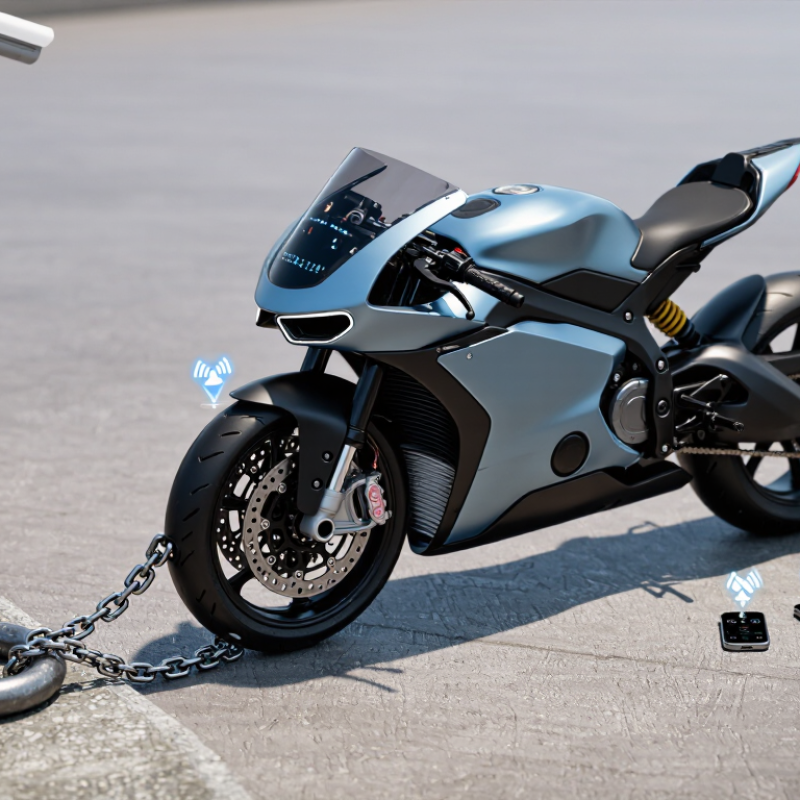
China’s Top 10 Electric Motorcycles: Ranking Theft Risks with 350M+ E-Bikes
China’s Top 10 Electric Motorcycles: Ranking Theft Risks with 350M+ E-Bikes
With more than 350 million electric bicycles in China, theft risk varies by design and daily use. This figure is widely cited, but exact totals change by definition and reporting year. My practical ranking focuses on exposure, not brand popularity. From highest to lowest risk, the ten groups are lightweight commuter bikes, keyless models, shared-looking scooters, folding designs, removable-battery bikes, high-value performance models, poorly secured delivery bikes, older low-cost scooters, heavy utility motorcycles, and professionally stored vehicles.
Light frames attract quick lifting and transport. Keyless systems may also create confidence without strong physical protection. That is risky. A visible battery release is another weakness, especially near busy stations. Owners should lock the frame, not only the front wheel. Use a hardened chain through a fixed object. Add a second lock at a different angle. Park under bright cameras, preferably inside a staffed area. Remove the battery when practical, but check that the mounting point cannot be opened easily.
Digital tracking helps, yet it is not magic. A hidden tracker needs power, network coverage, and regular testing. Record the frame number, battery code, and clear photographs before riding. Security habits matter more than expensive accessories. My ranking is imperfect because local theft patterns change quickly. A quiet residential lane may be safer than a crowded transport hub, or surprisingly worse. Check the lock after installation; many failures begin with loose mounting, forgotten keys, or one rushed evening.
China’s Top 10 Electric Motorcycles: Ranking Theft Risks
A feature-based theft-risk comparison for the 350M+ global e-bike market. Higher scores indicate greater exposure when commonly used security measures are absent.
The index combines publicly observable risk factors: removable batteries, exposed wiring, basic mechanical locks, keyless access, low vehicle weight, limited tracking capability, and outdoor parking exposure. It is a comparative security index rather than a police-recorded theft probability. Using a hardened chain or U-lock, securing the frame to an immovable object, activating GPS tracking, and removing the battery when practical can substantially reduce theft exposure.
Anti-Theft Technologies: GPS, Immobilizers, and China’s GB Standards
Preventing theft of a high-value electric motorcycle requires several protective layers. GPS tracking can report location, movement, and unauthorized towing through a mobile application. It works best when installed discreetly and connected to a reliable backup battery. Signal loss remains possible in underground garages or dense buildings. That weakness deserves attention. An immobilizer adds another barrier by blocking motor activation without an authorized key, code, or paired device. Some systems also detect unusual vibration and send instant alerts. However, owners should test these functions regularly. A forgotten subscription, weak password, or damaged sensor can reduce protection.
China’s GB standards provide an important technical reference for vehicle safety and manufacturing quality. Requirements such as GB 7258 and GB 24155 may apply according to the vehicle’s classification and configuration. They address areas including electrical safety, braking performance, lighting, structural design, and operating safety. They do not automatically mean that every electric motorcycle includes GPS or an immobilizer. Buyers should check the compliance certificate, battery protection details, and identification information before purchase. A certified vehicle still needs sensible daily security. Park in a bright, monitored area, lock the steering system, and use a hardened external lock attached to a fixed point. Keep tracking credentials private. Technology helps, but human mistakes remain the easiest weakness.
Step-by-Step Security Setup: Locks, Alarms, Tracking, and Secure Parking
China Top 10 Electric Motorcycles: How to Prevent Theft?
Electric motorcycles need layered protection, especially because quiet motors attract less attention. NICB’s 2023 report counted 55,014 stolen motorcycles in the United States. The FBI’s 2023 Crime Data Explorer recorded 1,020,729 motor-vehicle thefts nationwide. The risk is real.
Start with a hardened lock through the frame, not only the front wheel. Add a second lock to a fixed ground anchor. Keep both locks tight, leaving little space for cutting tools. Install a motion alarm with tamper alerts. Test its volume beside closed windows. An alarm that nobody hears is weak protection. Add a concealed GPS tracker with movement alerts, battery backup, and geofencing. Check its signal before daily use. Do not rely on tracking alone. Recovery is never guaranteed.
Parking location matters. Choose a bright area with cameras, regular foot traffic, and controlled entry. At home, use a locked garage or an anchored floor point. Covering the motorcycle can reduce attention, but it may also hide tampering. I still treat every setup as imperfect. The weak point is often human: an unlocked steering column, a forgotten alarm, or a tracker with a dead battery. Perform a 30-second check before leaving, and review alert settings each month.
China Top 10 Electric Motorcycles How to Prevent Theft? - Step-by-Step Security Setup: Locks, Alarms, Tracking, and Secure Parking
| Step |
Security Layer |
Recommended Setup |
Protection Provided |
Typical Cost in China |
Setup Time |
| 1 |
Steering Lock |
Engage the built-in steering lock every time the motorcycle is parked, even for short stops. |
Prevents easy steering and makes the motorcycle harder to roll away. |
Usually included |
Less than 1 minute |
| 2 |
Hardened Chain Lock |
Pass a hardened chain through the frame or rear wheel and attach it to a fixed anchor, not only to a removable wheel. |
Adds a physical barrier against rolling, lifting, and quick relocation. |
CNY 80–350 |
2–5 minutes |
| 3 |
Disc-Brake Lock |
Fit a disc-brake lock with a reminder cable whenever the motorcycle is left outside or unattended. |
Stops the wheel from turning and provides a visible theft deterrent. |
CNY 40–180 |
1–2 minutes |
| 4 |
Electronic Alarm |
Activate the alarm and test its motion or vibration sensitivity without creating repeated false alarms. |
Draws attention to tampering and may discourage casual theft attempts. |
CNY 50–250 |
15–60 minutes |
| 5 |
GPS or Cellular Tracker |
Install a concealed tracker with backup power, geofencing, movement alerts, and a current data subscription. |
Helps identify the motorcycle's recent location after unauthorized movement; it does not physically stop theft. |
CNY 150–600 plus service fees |
30–120 minutes |
| 6 |
Battery and Controller Security |
Remove a detachable battery when practical, lock the battery compartment, and keep charging keys or access cards separate. |
Reduces the value and usability of a parked motorcycle if its battery or access system is targeted. |
CNY 0–200 |
1–3 minutes |
| 7 |
Secure Parking |
Use a staffed or access-controlled garage with lighting, CCTV coverage, and a fixed ground anchor whenever available. |
Reduces concealment opportunities and increases the chance of detection. |
CNY 0–300 per month |
5–10 minutes to verify |
| 8 |
Visibility and Cover |
Park in a visible, well-lit location and use a plain, weather-resistant cover that does not hide the lock or alarm. |
Limits concealment while protecting the motorcycle from weather and reducing visual appeal. |
CNY 60–200 |
2–5 minutes |
| 9 |
Vehicle Records |
Keep photographs of the frame number, license plate, battery serial number, purchase documents, and distinctive marks in secure cloud storage. |
Improves ownership verification and supports a police report or insurance claim. |
Usually free |
10–20 minutes |
| 10 |
Daily Security Check |
Confirm the steering lock, chain tension, alarm status, tracker connection, and parking anchor before leaving. |
Prevents common mistakes such as an unlocked wheel, inactive alarm, or disconnected tracker. |
No additional cost |
30–60 seconds |
Cost ranges are indicative estimates in mainland China and vary by lock quality, installation method, subscription requirements, and local parking conditions.
Model Comparison: Battery Locks, NFC Access, and App-Based Protection
China’s top ten electric motorcycles need layered theft protection, not one impressive feature.
The National Insurance Crime Bureau recorded 55,015 motorcycle thefts in the United States during 2023. That figure includes petrol models, but it reveals the wider risk.
A battery lock prevents quick battery removal and limits resale value. However, it cannot stop someone from rolling away the motorcycle. Add a hardened steering lock and a fixed parking anchor.
NFC access is convenient beside a dark garage door. It should use encrypted credentials and block repeated failed attempts. Keep a physical backup key available. Small detail, but important.
App-based protection adds movement alerts, location sharing, and remote alarm controls. GSMA Intelligence estimated 18.8 billion Internet of Things connections worldwide in 2024. More connected devices also mean more accounts, updates, and potential weaknesses.
Choose systems with encrypted communication, signed firmware updates, and two-factor authentication. Test alerts before relying on them. A delayed notification is not real protection.
I would not trust an app alone, especially where cellular coverage is weak. Pair it with a battery lock, NFC access, and a visible anchor point. Security improves through layers, though no system is perfect.
After-Theft Response: Police Reporting, GPS Evidence, and Insurance Claims
When an electric motorcycle disappears, speed matters more than anger. Move quickly. Contact local police and your insurer from a safe place. The National Insurance Crime Bureau (NICB) reported 55,290 motorcycle thefts across the U.S. in 2023. This figure includes several motorcycle types, but it shows the scale of the risk. Provide the vehicle identification number, registration details, color, battery serial number, and last known location. Request a case number and an official copy of the report. Do not chase anyone.
GPS history can create a clear timeline for investigators. Export location records, timestamps, route history, and battery alerts. Keep originals. Take screenshots, but never edit them. A GPS location is evidence of movement, not automatic proof of possession. Police may need additional evidence before taking recovery action, depending on local procedures. Share account access instructions through official channels. Avoid posting live coordinates publicly. It may create confusion or alert the thief.
Tips: Photograph damaged locks, storage areas, and nearby cameras. Save invoices, registration papers, and maintenance records online. Notify the insurer immediately, even with incomplete information. The Insurance Information Institute states that coverage varies by policy and vehicle use. Ask about claim deadlines, deductibles, and required documents. Owners often guess here. That mistake is costly. Review exclusions before theft occurs. Preparation helps, but it is never perfect.
Conclusion
This guide examines China’s top 10 electric motorcycles and explains how theft risks can vary among high-value models in a market with more than 350 million electric bikes. It introduces practical anti-theft technologies, including GPS tracking, electronic immobilizers, NFC access, battery locks, alarms, and app-based monitoring, while also discussing the role of China’s GB safety standards. Readers will learn How to prevent theft of a high-end electric motorcycle through a layered security setup.
The article provides a step-by-step approach to choosing strong locks, activating digital protections, parking in secure and visible locations, and checking battery and access-control features before purchase. It also compares common security functions across different models and outlines sensible actions after a theft, such as contacting local authorities promptly, preserving GPS records and ownership documents, and reviewing available insurance procedures.

 Evergreen Vehicle