The rise of electric motorcycles reflects a booming industry. According to a recent report by the Motorcycle Industry Council, electric vehicle sales in the U.S. surged by over 50% from 2020 to 2022. This growth invites questions about regulations and rider experiences. Particularly, riders need clarity on "where are electric motorcycles allowed to be driven."
Local laws vary significantly. Some cities fully embrace electric bikes while others impose restrictions. In California, for example, many areas permit electric motorcycles on highways. Conversely, certain states have more stringent guidelines. Riders must stay informed to avoid costly fines or accidents.
Understanding these laws is crucial for safe riding. Local governments might adjust policies frequently. Ignoring updates can lead to misunderstandings about where to ride. This complexity highlights the importance of research before hitting the road.
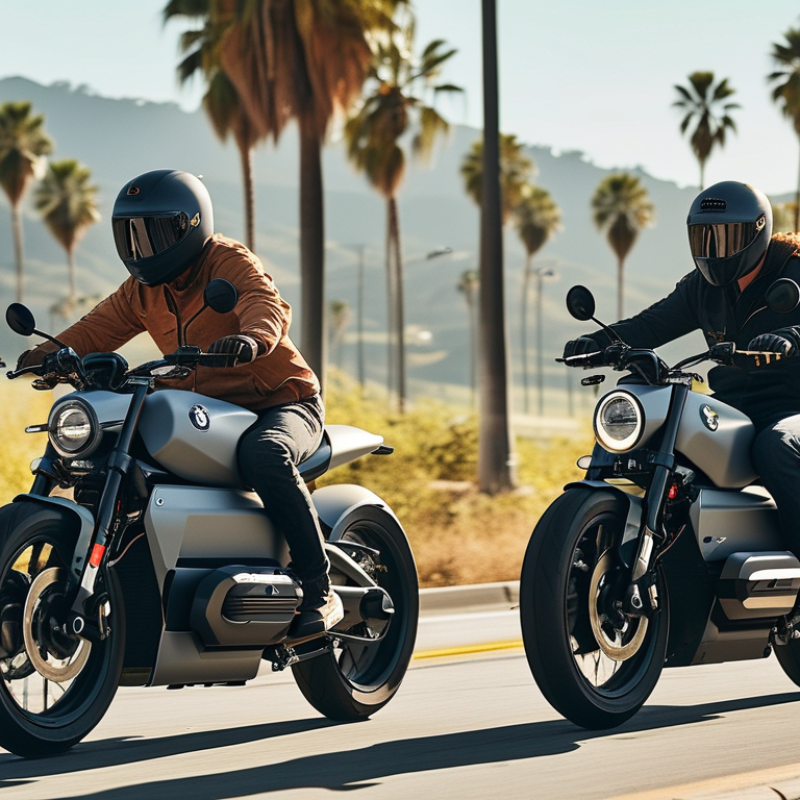
Electric motorcycles offer a unique riding experience, but their regulations can vary greatly by region. Many areas allow electric bikes to be used on public roads, while others have strict rules governing their use. It’s essential for riders to understand these local laws to avoid fines and ensure safety.
In urban settings, electric motorcycles often have access to bike lanes. This is true in many cities where traffic congestion encourages alternative transport options. Riders need to be aware of speed limits and bike lane regulations. In rural areas, the rules may differ. Some regions welcome electric motorcycles on all roads, while others restrict them to designated routes only.
Riders should also consider noise regulations. Electric motorcycles are quieter, which can be an advantage. However, some areas enforce limits on noise levels for safety. Researching local ordinances can help. Lastly, it's worth noting that not all states allow electric motorcycles on highways. Understanding these details can help riders make informed decisions.
Electric motorcycles are gaining popularity, but their legality varies significantly across states and countries. Understanding these differences is crucial for safe and responsible riding. Many regions require riders to adhere to specific regulations before hitting the road. It's important to become familiar with local laws.
When it comes to riding, always check local road rules. Some areas restrict electric motorcycles to bike lanes, while others have more generous access. In urban settings, you may find charging stations that can influence where you go. Ensure you are aware of any limitations on speed or width.
One common tip is to stay updated on the rules where you ride. Some states add restrictions or change definitions of what qualifies as an electric motorcycle. Before traveling, research your destination's regulations. Keeping a map of charging locations can help, especially in states with less developed infrastructures.
Additionally, having safety gear is essential, regardless of the laws. A helmet is usually a must, but extra padding can make a difference too. Being prepared strengthens your riding experience and can instill confidence. Reflecting on your ride habits ensures you are always learning and improving as a rider.
Electric motorcycles are increasingly popular, with a growing number of riders seeking environmentally friendly options. However, knowing where these vehicles can be safely operated is crucial. Understanding the specific road types allowed for electric motorcycles helps in planning routes effectively.
Many electric motorcycles can be driven on public roads, bike lanes, and certain trails. According to a 2022 industry report, approximately 75% of urban areas support electric motorcycle usage on designated cycling paths. This regulation not only promotes eco-friendly transportation but also eases traffic congestion. Nevertheless, some regions have restrictions, especially on busy highways. Riders should always check local regulations prior to riding.
When riding, it's essential to focus on safety. Here are some tips for safe operation. First, always wear a helmet. A study conducted by the National Highway Traffic Safety Administration reveals that helmets reduce the risk of head injuries by approximately 37%. Second, be aware of road conditions. Wet or uneven surfaces can be hazardous. Lastly, keep an eye on battery life. The average electric motorcycle offers a range of about 100 miles on a full charge. Awareness of these factors ensures safer riding experiences.
Electric motorcycles are gaining popularity as an eco-friendly option for commuting. However, understanding where they can be driven is essential. Many regions have specific regulations governing their use. Familiarizing yourself with local laws is crucial to avoid fines or accidents.
Speed limits often differ for electric motorcycles compared to traditional bikes. Some areas impose speed restrictions to ensure safety for all road users. Understanding these limits helps in planning your ride. Additionally, designated areas for use can include bike lanes or specific routes. Not all roads permit electric motorcycles, so check local signage for guidance.
In urban settings, electric motorcycles can be restricted to certain zones. These areas aim to promote pedestrian safety. Always be mindful of where you're riding. While maneuvering in dense traffic, staying aware of your surroundings is essential. Ignoring these guidelines can lead to complications. Consider seeking advice from local motorcycling groups to navigate the best riding practices. Engage with fellow riders for insights and shared experiences to enhance your journey.
When riding electric motorcycles, understanding local laws is essential. Research regulations specific to your area. In some cities, riding on sidewalks or bike paths is prohibited. Always verify where you can legally operate your vehicle. Accessible information is often available online. Local government websites are invaluable resources.
Check speed limits and lane usage. Each region may enforce different rules. Some view electric motorcycles as bicycles, while others classify them as vehicles. This misclassification can lead to confusion. Always wear a helmet, even if laws do not mandate it. This practice enhances safety and sets a good example for others.
Consider joining local riders' groups or forums. Engaging with experienced riders can offer insights into compliance. Share your findings and experiences with others. This community can help clarify any obscure laws. Remember that the goal is safe and responsible riding in every environment.
: Local laws can significantly differ, impacting where and how you can ride safely.
They can usually operate on public roads, bike lanes, and some trails, depending on local regulations.
Regularly check local news and government websites for information on changing regulations.
Research local laws and check for charging station availability, speed limits, and road safety conditions.
Yes, wearing a helmet and additional padding enhances safety, regardless of legal requirements.
This depends on local rules; some places prohibit it while others allow it.
They can change frequently, so it's best to stay informed and check regularly.
Most electric motorcycles offer about 100 miles of range, but this can vary.
Join local rider groups or online forums to share experiences and clarify laws together.
Consider your riding habits and safety practices to improve for future rides.
Understanding the regulations surrounding electric motorcycles is crucial for riders seeking to enjoy their vehicles safely and legally. The article "Top 5 Tips Where Are Electric Motorcycles Allowed to Be Driven?" outlines significant variations in laws based on region, highlighting that legalities can differ considerably between states and countries. It emphasizes the importance of knowing the specific laws in your area, as these can dictate where electric motorcycles can be operated.
Moreover, the article discusses the types of roads that are generally safe for electric motorcycle use and outlines common restrictions, including speed limits and designated areas. To ensure compliance with local laws, it recommends best practices that riders should follow. Ultimately, knowing "where are electric motorcycles allowed to be driven" not only facilitates a better riding experience but also fosters responsible usage within the legal framework.

Evergreen Vehicle