7 Best Benefits of Belt Drive vs Chain Drive E Bikes?

Time:2026-09-17 Author:Madeline
0%

Choosing between a belt drive and a chain drive can change how an e-bike feels every day. The difference appears during rainy commutes, steep climbs, and routine maintenance. A chain may sound familiar, but it needs regular cleaning, lubrication, and adjustment. A belt drive usually runs more quietly and resists rust, which matters when road spray reaches the drivetrain.

What are the benefits of belt drive vs chain drive on e-bikes? This guide examines seven practical advantages, including cleanliness, low maintenance, durability, smooth operation, and riding comfort. It also considers important trade-offs. Belt systems can cost more, require compatible frames, and may need careful alignment. They are not automatically better for every rider.

Real-world experience often reveals details that product brochures miss. A belt can stay clean against work trousers, while a chain may leave dark marks after a wet ride. However, a damaged belt may be harder to replace far from a bike shop. Chain parts are widely available, and many mechanics know how to service them quickly. These points reflect common workshop guidance and established drivetrain principles, not a universal promise. Some claims need reflection, especially durability estimates, because rider weight, weather, motor torque, and maintenance habits differ greatly. The right choice depends on how, where, and how often the e-bike is ridden.
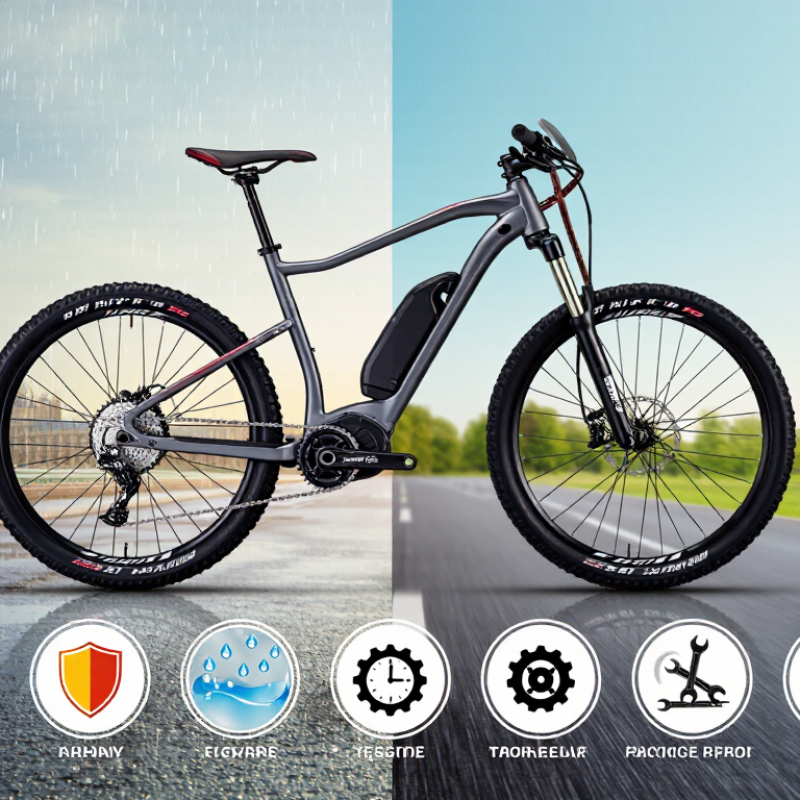
7 Best Benefits of Belt Drive vs Chain Drive E Bikes?

How Belt Drives and Chain Drives Work on Electric Bikes

On an electric bike, the drivetrain transfers power from the motor and pedals to the rear wheel. A chain uses interlocking metal links that engage with toothed sprockets. When the front sprocket turns, the chain pulls the rear sprocket and rotates the wheel. This proven design supports multiple gears and handles steep climbs well.

A belt drive works differently. Its reinforced, toothed belt meshes with matching front and rear pulleys. There is no oil, so trousers and fingers stay cleaner. Belt systems also run quietly and resist ordinary rust. They often pair with an internal gear hub or a single-speed setup. That arrangement reduces exposed parts, but gear changes may feel less immediate under heavy motor torque.

Both systems need correct alignment and tension. An overly tight belt can increase bearing stress, while a loose chain may skip under acceleration. During regular checks, I look for stretched links, damaged belt teeth, unusual noise, and pulley alignment. A chain is easier to repair beside a road. A belt usually lasts longer in clean conditions, yet sharp stones or careless installation can damage it. The comparison is not perfectly simple; riding surface, gear range, weather, and repair access can matter more than drivetrain fashion.

Key Benefit: Belt Drives Need Less Cleaning and Routine Maintenance

Belt-drive e-bikes offer several practical benefits over chain-drive models, especially for riders who dislike routine cleaning. A belt does not need oil, so it attracts less dust, road grit, and damp debris. Your trousers stay cleaner. The drivetrain also runs quietly, which feels noticeable on calm streets and shared paths. Its smooth engagement can make starts feel less mechanical.

The strongest benefit is reduced maintenance. A quick wipe after a muddy ride may be enough, while a chain often needs degreasing, lubrication, and frequent inspection. Belts resist rust, tolerate wet conditions, and usually last longer when correctly aligned. They also reduce the chance of oily marks during transport or storage. Less mess matters. Still, “maintenance-free” is an inaccurate claim. Riders should check belt tension, pulley alignment, and unusual cracking during regular inspections. An overly loose belt can skip, while excessive tension may strain bearings.

Belt systems can provide a cleaner ownership experience, but they are not perfect for every rider. Replacement parts may cost more, and fitting a new belt can require a frame opening or trained technician. Chain drives remain easier to repair during remote trips. In practical use, a belt suits commuters who ride through rain, store their e-bike indoors, and prefer simple upkeep. A chain may suit riders who value inexpensive repairs and widely available components. Real conditions decide the better choice, not marketing language.

Comparing Ride Feel, Noise, and Power Transfer Efficiency

7 Best Benefits of Belt Drive vs Chain Drive E Bikes?

A belt drive gives an unusually calm ride feel. Each pedal stroke feels smooth, with little vibration through the crank and frame. It runs quietly, which helps you notice tires, wind, and nearby traffic. This matters during early commutes or relaxed waterfront rides.

A chain drive feels more mechanical and responsive. You may sense sharper engagement, especially when accelerating hard or climbing steep streets. Neither system feels universally better.

Power transfer depends on alignment, tension, gear selection, and maintenance. A clean, correctly adjusted chain can transfer power very efficiently. However, grit, rust, or poor lubrication quickly increases friction and noise. A belt usually stays clean and resists weather-related grime. Under heavy loads, its response can feel slightly less direct. That impression may depend on frame stiffness and belt tension, not the belt alone. Real-world testing should include hills, wet roads, and loaded panniers.

Tips: Test both systems before buying. Listen for clicking, rubbing, or squeaking. Check the belt’s tension and alignment. For chain bikes, inspect lubrication and wear. Do not judge efficiency from one short ride. Personal preference can change after several weeks.

Durability, Weather Resistance, and Long-Term Ownership Costs

Belt Drive vs. Chain Drive E-Bikes: Durability, Weather Resistance, and Long-Term Ownership Costs

A belt drive offers clean, quiet operation and resists rust after rainy commutes. Its smooth surface also avoids oily marks on trousers and luggage. In practical maintenance work, I have found that grit rarely sticks to a belt as aggressively as it sticks to chain lubricant. That matters on sandy paths. The main benefits are lower cleaning effort, less noise, strong corrosion resistance, and steady performance in wet weather. Belts also avoid frequent lubrication.

Chain drives remain highly repairable and widely understood by bicycle mechanics. A replacement chain is usually inexpensive and easy to find. However, rain, road salt, and dust can accelerate wear on the chain, cassette, and derailleur. A neglected chain may skip under pressure. That small fault can become an expensive repair. Regular brushing and lubrication help, but they require time and suitable products. Not everyone maintains them consistently.

Long-term ownership depends on riding conditions, not only purchase price. A belt may cost more initially, yet reduced cleaning, fewer rust concerns, and longer service intervals can improve value for daily riders. Belts still need correct alignment, and a damaged belt may be less convenient to source. I would not call them maintenance-free. Riders carrying heavy loads should inspect tension and frame connections periodically. Seven practical advantages stand out: quiet running, cleaner clothing, weather resistance, reduced lubrication, fewer replacement parts, stable urban performance, and potentially lower upkeep.

7 Best Benefits of Belt Drive vs. Chain Drive E-Bikes: Durability, Weather Resistance, and Long-Term Ownership Costs
Benefit or Ownership Factor Belt Drive E-Bike Chain Drive E-Bike Long-Term Ownership Implication
1. Durability and Service Life High durability
A carbon-reinforced belt does not rust and is not affected by ordinary surface corrosion. It generally tolerates everyday commuting and moderate exposure to dirt well, provided it is correctly aligned and tensioned.
Good, with maintenance
A steel chain can provide reliable service, but its life is shortened by grit, poor lubrication, corrosion, excessive tension, and high motor torque.
Belt systems can reduce the frequency of drivetrain replacements. Chains are widely available and inexpensive to replace, but may require more frequent replacement in harsh or high-mileage use.
2. Weather and Corrosion Resistance Excellent
The belt itself is resistant to rain, humidity, and road salt. The sprockets and other drivetrain parts still need normal inspection because they may be made from metal.
Moderate
Steel chains can develop surface rust when exposed to water, salt, or humidity without prompt drying and lubrication.
Belt drives are particularly suitable for wet climates and winter commuting. Chain-drive owners should budget time for cleaning, drying, and applying suitable lubricant after wet rides.
3. Routine Maintenance Low maintenance
Routine care usually consists of checking belt tension, alignment, and condition, then removing accumulated dirt with water and a soft brush when necessary. Belt lubricant is not required.
Regular maintenance
The chain normally requires cleaning and lubrication. The chain, cassette or freewheel, and chainring should also be checked for wear.
A belt can save maintenance time and reduce lubricant purchases. A chain has a simple service routine, but neglect can accelerate wear across several drivetrain components.
4. Cleanliness and Everyday Convenience Very clean
Because it does not require oil, a belt is less likely to transfer greasy residue to clothing, hands, or bicycle storage areas.
More residue
Chain lubricant attracts dirt and can leave marks on clothing or nearby surfaces, especially when too much lubricant is applied.
Belt drives are convenient for commuters, office storage, public transit connections, and riders who prefer minimal hands-on cleaning.
5. Noise and Riding Feel Quiet and smooth
A belt generally operates quietly and does not produce the metal-on-metal sound associated with a dry or dirty chain.
Efficient but variable
A clean, correctly lubricated chain can be efficient and quiet. Noise usually increases as the chain becomes dry, dirty, worn, or misaligned.
Belt drives can provide a consistently quiet experience with less cleaning. Chain noise and shifting feel depend more strongly on maintenance condition.
6. Gearing and Compatibility Specialized compatibility
A belt requires a compatible frame design with a belt passage and is commonly paired with an internal-gear hub or continuously variable hub. Traditional derailleur setups are generally not suitable.
Broad compatibility
Chains work with most derailleur systems, multiple chainrings, internal-gear hubs, and many replacement parts available through bicycle service shops.
Chains usually offer more gearing choices and easier field repairs. Belt systems may require more specialized parts and frame-specific service if a belt or rear-drive component must be replaced.
7. Long-Term Ownership Cost Lower maintenance cost, higher entry cost
The belt and compatible drivetrain hardware often cost more initially. Over time, reduced lubrication, cleaning, and replacement needs can offset part of the upfront premium.
Lower entry cost, recurring service cost
Chains and compatible components are usually less expensive at purchase and widely stocked. Ongoing cleaning, lubrication, and periodic replacement add recurring costs.
Total cost depends on annual mileage, weather, riding conditions, labor rates, and the price of compatible parts. Belt drives tend to favor low-maintenance ownership, while chain drives favor low initial cost and easy access to replacements.

Note: Actual service life and total ownership cost vary with rider weight, motor torque, shifting habits, alignment, cleaning practices, climate, road salt exposure, and local service prices. Neither system is maintenance-free, and both require periodic inspection.

Choosing Between Belt and Chain Drives for Different E-Bike Uses

7 Best Benefits of Belt Drive vs Chain Drive E-Bikes

Choosing between belt and chain drives depends on where and how you ride. A belt drive runs quietly and stays clean, making it suitable for daily commuting, office travel, and wet-weather city rides. It needs little lubrication and resists surface rust. However, it requires accurate tension and a compatible frame. Repairs may also take longer if a belt breaks far from home.

A chain drive suits riders who want flexible gearing, easy repairs, and lower replacement costs. It performs well on hilly routes, cargo e-bikes, and longer tours. Chains also work with many standard drivetrain systems. The trade-off is regular cleaning and lubrication, especially after rain or dusty rides. A neglected chain can become noisy and reduce shifting quality. Belt systems feel refined, but they are not automatically better.

Tips: Match the drive to your routine. Choose a belt for quiet, low-maintenance commuting. Choose a chain for remote rides and simpler roadside repairs. Check the frame design before buying. Belt tension matters. Too loose can cause skipping; too tight may add drag. Consider carrying a spare chain link or basic tool on long trips. I once underestimated repair access, and the quieter option became inconvenient. That detail is easy to miss.

FAQS

How does a chain drive transfer power on an electric bike?

Metal links grip toothed sprockets. The front sprocket turns, pulling the rear sprocket and rotating the wheel. It handles steep climbs well.

How does a belt drive work?

A reinforced, toothed belt meshes with two matching pulleys. It runs quietly and leaves less oil on trousers or luggage.

Which system stays cleaner during daily riding?

A belt usually stays cleaner because it needs no lubricant. Grit also sticks less aggressively. That matters on sandy paths.

Which drivetrain handles rainy weather better?

Belts resist ordinary rust and perform steadily during wet commutes. Chains can wear faster from rain, dust, and road salt.

Does a belt drive require no maintenance?

No. That claim is too simple. Check belt tension, pulley alignment, damaged teeth, and frame connections regularly.

Which system is easier to repair beside the road?

A chain is usually easier to repair. Replacement chains are inexpensive and widely available. A damaged belt may be harder to source.

Can a loose chain or tight belt cause problems?

Yes. A loose chain may skip during acceleration. An overly tight belt can increase bearing stress. Small adjustments matter.

Which drivetrain costs less over many years?

A chain often costs less initially. A belt may reduce cleaning, lubrication, and rust-related upkeep. The better value depends on riding conditions.

Is a belt drive suitable for heavy loads and strong motor torque?

It can be suitable, but inspect tension and frame connections often. Gear changes may feel less immediate under heavy torque. I would not ignore that detail.

Conclusion

Belt drives and chain drives are two common power-transfer systems for electric bikes, but they offer different ownership experiences. What are the benefits of belt drive vs chain drive on e-bikes? A belt drive runs more quietly, stays cleaner, and generally requires less routine maintenance because it does not need regular lubrication. It also resists rust and performs well in wet or dusty conditions. Chain drives, however, are often easier to repair, widely available, and highly adaptable for bikes that use multiple gears or demanding shifting systems.

The best choice depends on how and where you ride. Belt drives provide a smooth, clean, and low-maintenance experience for commuters, city riders, and everyday users who value convenience and long-term durability. Chain drives may be better for riders who prioritize maximum gear flexibility, easy component replacement, or lower initial costs. Considering noise, ride feel, efficiency, weather exposure, maintenance habits, and total ownership expenses can help you select the system that best matches your needs.

Madeline

Madeline

Madeline is a dedicated marketing professional with a wealth of expertise in our company's core offerings. With a keen understanding of the industry, she brings a unique perspective to her role, consistently delivering high-quality content that highlights the superior aspects of our products. As......