Electric scooters have gained immense popularity in recent years. However, many users face a frustrating issue: clicking noises. The question arises, "Why does my electric scooter make a clicking noise?" This sound can be puzzling, and understanding its causes is essential for smooth riding.
There are several reasons behind the clicking noise. It might stem from loose components, such as the wheel or handlebars. Sometimes, dirt can get trapped in the moving parts. This can lead to unexpected sounds and even performance issues. Users may overlook these signs, thinking they are normal. However, paying attention to these noises is crucial for safety. Neglecting them may lead to more significant problems.
Exploring these reasons will help you understand your electric scooter better. Addressing clicking noises promptly can enhance your riding experience. It’s essential to consider both minor and major fixes. Listening to your scooter and responding to its needs can prevent further headaches down the road.
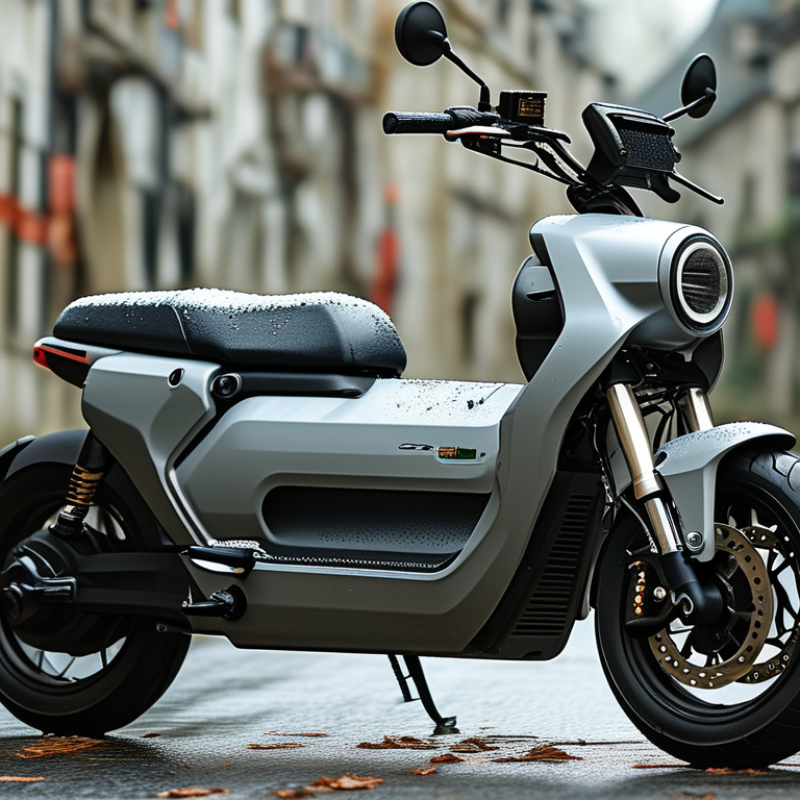
Electric scooters are popular for their convenience and eco-friendliness. However, they can sometimes make a clicking noise that concerns riders. This sound often indicates underlying mechanical issues that require attention. One common culprit is loose bolts or screws. When these parts are not securely fastened, they can create a rhythmic clicking sound during rides. Another potential cause is a worn or damaged brake system. If the brake components are not aligned correctly, they may make noise when engaged. Even minor misalignments can lead to frustrating sounds. Additionally, the wheels and hub may experience wear over time. Damaged bearings or misaligned wheels can result in clicking noises, impacting performance and safety. Regular maintenance is crucial to prevent these issues. Riders might also overlook the importance of checking the chain or belt. An improperly lubricated chain can create irritating sounds while riding. It’s essential to inspect these components regularly. Moreover, rider habits can contribute to wear and tear. Frequent hard braking or rough usage may exacerbate these mechanical issues. Addressing these problems early can ensure a smoother, quieter experience.
Electric scooters have surged in popularity, but users often report an annoying clicking noise. Understanding the possible causes is crucial for maintenance and safety. Electrical components are often the culprits behind these sounds.
One common source of clicking noises is the controller. This component regulates power to the motor based on user input. Over time, wear and tear can create poor connections, generating a clicking sound. According to recent studies, almost 30% of e-scooter issues can be traced to the controller's malfunction. Loose wiring can also contribute. When wires are not secured, they may vibrate and make noise. With electricity flowing, this problem can escalate quickly, leading to more serious issues.
Another potential source of noise is the motor itself. Electric motors can develop faults, particularly if the scooter is subjected to demanding conditions. A report noted that around 25% of scooter complaints were related to motor problems. Operators should inspect the motor regularly. Ignoring this can lead to further complications. Users must learn to differentiate between normal operational sounds and problematic clicks. Understanding these factors can lead to better maintenance practices, reducing future risks.
| Reason | Description | Potential Solution |
|---|---|---|
| Loose Screws | Screws that hold parts together may become loose over time, leading to noise. | Tighten all screws and bolts on the scooter. |
| Worn Out Bearings | Bearings can wear out, causing a clicking sound when they fail to roll smoothly. | Replace worn bearings. |
| Damaged Motor | A damaged or malfunctioning motor can produce irregular noises. | Inspect and replace if necessary. |
| Battery Issues | Faulty connections in the battery can lead to unusual sounds. | Check connections and replace batteries if required. |
| Loose Cables | Cables that are not secured can create noise against other parts. | Secure and organize cables properly. |
| Faulty Controller | The scooter's controller may malfunction and create clicking sounds. | Consult a technician to diagnose and fix the controller. |
| Brake Issues | Worn brake pads or misaligned brakes can cause noise when applied. | Inspect and replace or realign brakes as necessary. |
| Friction from Tires | Improper tire pressure can lead to excess friction, resulting in noise. | Check and adjust tire pressure regularly. |
| Foreign Objects | Debris stuck in moving parts can cause clicking sounds. | Inspect and remove any foreign objects. |
Electric scooters have become increasingly popular for their convenience and eco-friendliness. However, many riders notice a clicking noise while cruising. Environmental factors play a significant role in this phenomenon. Changes in temperature can cause materials in the scooter to expand or contract. This shift might lead to small gaps or misalignment, resulting in clicking sounds during operation.
Humidity levels also impact noise production. In damp conditions, moisture can affect the lubrication of moving parts. This can amplify sounds that would typically go unnoticed in dry weather. Additionally, riding surfaces matter. Poor pavement or uneven paths increase vibration, which may contribute to clicking noises. Riders often overlook these elements, focusing too much on the scooter's internal mechanics.
Riders should consider these factors. Regular maintenance and inspections are crucial. Ensuring proper lubrication can reduce noise, but environmental adjustments may be necessary too. If a scooter frequently makes noises, it’s essential to evaluate both the riding conditions and the scooter's condition. Such reflections can lead to a quieter ride and a better experience overall.
Electric scooters are becoming increasingly popular. However, many riders notice clicking noises while riding. Understanding the factors behind these sounds is essential. Regular maintenance can notably reduce these issues, enhancing performance and safety.
A common cause of clicking noises is loose components. For instance, the brake assembly may become loose with wear over time. Regularly tightening bolts and checking critical components can prevent these noises. According to a report by the International Journal of Mechanical Engineering, well-maintained scooters can reduce noise by up to 40%. Hence, performing inspections every few weeks is wise.
Another factor is wheel alignment. Misalignments can cause parts to rub against each other, generating clicking sounds. Some experts recommend checking wheel alignment after every 200 miles. Additionally, keeping the scooter clean helps maintain smooth operation. Dirt and debris can lead to friction and noise, proving maintenance is as much about cleanliness as it is about mechanical adjustments.
If your electric scooter is making a clicking noise, diagnosing the issue is essential. Start by inspecting the wheel area for loose components. Sometimes, the fender may rub against the wheel, causing an annoying sound. It’s not uncommon for screws to loosen over time, creating a clicking as you ride. Tightening or replacing these screws can solve many problems.
Next, check the brakes. A misaligned brake pad can produce a persistent clicking sound. Adjust the brake mechanism if necessary. The battery and its connections should also be examined. Loose connections can contribute to unexpected noises. Be cautious, as some noises can indicate deeper issues, such as motor problems.
If you’re unsure, consulting a technician can provide clarity. Regular maintenance is crucial for scooter longevity. Take time to examine each component thoroughly. Ignoring these noises can lead to more significant issues down the line. Your electric scooter deserves the care to ensure a smooth ride and prolong its life.
: Clicking noises often stem from loose bolts or screws, worn brake systems, or damaged bearings.
Changes in temperature and humidity affect materials in the scooter, causing gaps or misalignments that lead to clicking sounds.
Start by checking the wheel area for loose components and the alignment of the brake pads.
An improperly lubricated chain can create irritating sounds. Regular checks are essential to avoid this issue.
Regular maintenance helps prevent noise issues and extends the scooter's lifespan by ensuring all components are in good condition.
Yes, frequent hard braking or rough usage can contribute to wear and exacerbate mechanical problems leading to noise.
If unsure, consult a technician for clarity, as some noises might indicate deeper issues within the scooter.
Poor pavement or uneven paths increase vibrations, which may contribute to clicking noises during rides.
Proper lubrication reduces friction and noise in moving parts. Regular checks ensure smoother operation and a quieter ride.
Ignoring such sounds may lead to more significant mechanical issues later on, affecting performance and safety.
If you're wondering "Why does my electric scooter make a clicking noise?", it could be attributed to several common mechanical issues. Certain mechanical components may wear down or misalign over time, leading to annoying clicking sounds. Additionally, electrical components, such as loose wires or faulty connections, can also contribute to these noises.
Environmental factors, such as road conditions and weather, can further exacerbate noise production in scooters. Regular maintenance practices, like checking components and ensuring proper lubrication, can help prevent clicking noises. For those already experiencing this issue, a step-by-step guide on diagnosing and fixing these sounds will be beneficial, allowing for a quieter and smoother riding experience.

Evergreen Vehicle