Electric scooters have transformed urban mobility, making them popular choices among commuters. They are convenient and eco-friendly. However, issues can arise, particularly with the controller, the brain of the scooter. Reports indicate that nearly 40% of scooter problems stem from controller malfunctions. Understanding how to troubleshoot a faulty controller on an electric scooter is essential for safe and efficient rides.
A faulty controller can manifest in various ways, such as jerky acceleration or erratic speed changes. Identifying these symptoms early can prevent more significant problems. Research suggests that regular maintenance can reduce controller issues by up to 30%. This highlights the importance of user awareness in prolonging the lifespan of electric scooters.
By being proactive and aware of the possible issues, riders can navigate troubleshooting effectively. They must be prepared for the occasional breakdown. Rigorous testing and quality checks are necessary in the industry, yet defects still occur. Staying informed helps users recognize when professional help is needed, fostering a culture of safety and reliability.
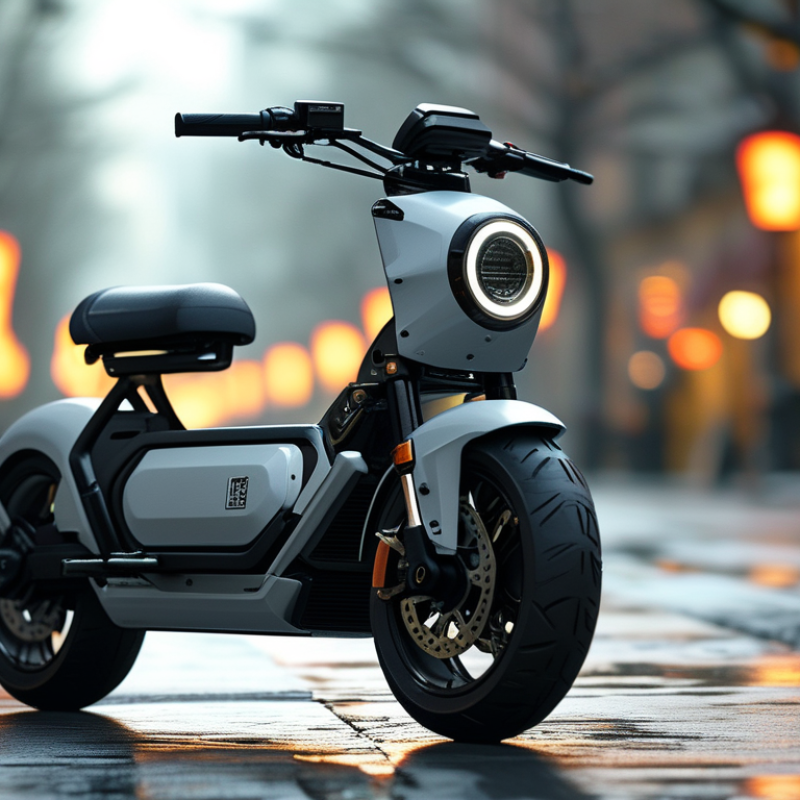
Electric scooters are becoming increasingly popular. However, their controllers can face various issues that affect performance. Identifying these common problems is essential for efficient troubleshooting.
One frequent issue is unresponsive acceleration. This can result from a faulty throttle or wiring connections. Riders may find their scooters lagging or stalling, which can be frustrating. Checking connections and ensuring they are secure is a simple first step. Sometimes, software glitches may also cause acceleration issues. Restarting the scooter can help reset any temporary faults.
Another common controller problem is inconsistent braking. Riders may experience sudden stops or delayed responses. This often stems from brake sensor malfunctions. It's important to regularly inspect the brake system for wear and tear. Furthermore, loose connections in the braking circuit can cause these erratic behaviors. Regular maintenance checks can prevent these problems from becoming critical. Ultimately, being aware of these issues helps ensure a smoother ride and enhances safety on the road.
Electric scooters have surged in popularity. However, controller issues can hinder their performance. Understanding how to troubleshoot these problems is crucial for riders. A recent industry report indicates that up to 30% of electric scooter malfunctions are related to controller failures. This makes effective troubleshooting imperative.
Start by checking the connections. Loose wiring can lead to signal failures. Inspect the controller for visible damage. Anomalies like burn marks can indicate overheating. Often, issues arise from moisture exposure. In fact, nearly 25% of scooter failures are due to environmental factors. Sealing connections can mitigate these risks significantly.
The battery’s state is also vital. A weak battery can mimic controller failure. Ensure your battery is fully charged and in good condition. Monitoring voltage levels regularly is a good practice. Lastly, keep software updated. Faulty software can also affect how the controller operates. Regular maintenance helps prevent more significant issues down the line. Each step in this troubleshooting guide can enhance your scooter's reliability and longevity.
When diagnosing electric scooter controller issues, having the right tools is crucial. A multimeter is essential for measuring voltage and resistance. This tool helps you identify whether the controller is receiving the correct power. A good quality soldering iron may be necessary for fixing or replacing damaged connections. Fine-tipped pliers are useful for handling tiny wires and components.
Inspecting the controller visually can reveal obvious issues. Look for any burnt or melted parts. A magnifying glass can help with this. Keeping a detailed notebook for your observations is helpful. It assists in tracking recurring problems and patterns.
Connecting an oscilloscope can be beneficial for advanced troubleshooting. It allows you to see the waveform of electrical signals. Sometimes, the solutions are not straightforward. You might find inconsistent readings, indicating underlying issues. Testing each component thoroughly fosters a deeper understanding of the system. It's not uncommon to overlook minor faults during routine checks. Emphasizing regular inspections can elevate your troubleshooting skills.
Electric scooter controller issues can be frustrating. For those looking to replace or repair, understanding the process is crucial. Begin by diagnosing the problem. Observe signs like erratic behavior or failure to start. These often indicate controller malfunctions.
When it comes to replacement, choosing the right controller is vital. Ensure compatibility with your scooter model. Consult repair guides for specific instructions. Following the right steps can prevent further damage. If you're unsure, enlisting a knowledgeable technician can be beneficial. They can provide insights based on experience.
Repairing a faulty controller might be an option. Inspect for visible damage or loose connections. Sometimes, a simple re-soldering of connections can resolve issues. However, this requires careful handling. Not everyone has the skills to perform such fixes. If you lack confidence, it’s best to seek help. Trusting an expert ensures a reliable outcome. Remember, taking shortcuts can lead to bigger problems down the line. Prioritize thoroughness and safety throughout the process.
Electric scooter controllers can face various issues over time. To prevent these problems, it's vital to prioritize maintenance. Regularly inspecting the connections can help spot wear and tear early. Ensure that all wiring is secure and free from damage. Loose connections can lead to failures. Moreover, keeping your scooter clean helps prevent dirt from interfering with electronic components.
Proper storage is equally important. Store your scooter in a dry, sheltered environment. Avoid extreme temperatures. High humidity can accelerate rusting, which damages the controller. When unused for extended periods, consider charging the battery to maintain its health. Neglected batteries can cause performance drops.
Riding with care is another key factor. Sudden stops or heavy impacts can stress the controller. Always ride cautiously, especially on bumpy terrain. Be mindful of weight limits as well. Exceeding them can strain the controller and lead to premature failures. Reflect on your riding habits and consider how they could affect your scooter. Small adjustments can lead to significant improvements in longevity.
: Common issues include unresponsive acceleration and inconsistent braking. These problems can affect performance significantly.
Unresponsive acceleration may be caused by faulty throttle or wiring connections. Software glitches can also contribute to this issue.
Start by checking connections to ensure they are secure. Restarting the scooter may reset temporary faults as well.
Inconsistent braking often results from brake sensor malfunctions or loose connections in the braking circuit.
Regularly inspect the brake system for wear and tear. Maintenance checks can prevent serious braking issues.
Diagnose the problem first, then ensure the replacement controller is compatible with your scooter model.
If you find visible damage or loose connections, consider carefully inspecting them. However, lack of confidence means seeking professional help.
Taking shortcuts can lead to bigger problems. It's essential to prioritize a thorough and safe repair process.
Consulting repair guides is vital. They provide specific instructions, helping to prevent further damage during the process.
When confronting issues with electric scooter controllers, it's crucial to identify the common problems that may arise, such as intermittent power loss or erratic acceleration. To effectively address these issues, one can follow a step-by-step troubleshooting guide that helps in diagnosing the fault in the controller. This guide involves assessing connections, checking for error codes, and evaluating the battery condition, among other factors.
Essential tools like a multimeter and screwdrivers are necessary for diagnosing controller problems accurately. If repairs are needed, understanding when to replace or repair the controller is vital for restoring functionality. Additionally, implementing preventive measures, such as regular maintenance and checks, can help avoid future controller issues. By mastering how to troubleshoot a faulty controller on an electric scooter, users can ensure their vehicles remain in optimal condition, promoting safety and efficiency in their rides.

Evergreen Vehicle