The landscape of global urban mobility is undergoing a fundamental structural transition. Accelerated by zero-emission regulatory targets, escalating fuel volatility, and dense urbanization, the demand for resilient e-mobility systems and commuting accessories suppliers has pivoted from a consumer trend to a high-capacity infrastructure requirement. Municipalities and global commercial enterprises are looking beyond retail purchases, seeking deep manufacturing relationships that provide stable engineering, scalable OEM/ODM capacity, and strict international compliance.
Sourcing premium commuter transportation equipment requires an in-depth understanding of total cost of ownership (TCO), battery safety protocols, duty structures, and component durability. Whether deploying corporate commuter e-bike fleets, configuring last-mile delivery cargo trikes, or establishing local dealer networks, finding the right commuting accessories supplier is the most critical link in achieving sustained operational efficiency and ROI.
Tianjin Evergreen Vehicle Co., Ltd. is a leading Chinese manufacturer and global supplier of high-quality electric power-assisted vehicles. Established with over 30 years of industry experience, the company specializes in the design, engineering, and production of innovative electric bicycles (e-bikes) and other eco-friendly electric vehicles. With factories strategically located across China, Europe, and Asia, we are well-positioned to meet the diverse needs of customers worldwide.
Our commitment to sustainability and quality has made us a trusted partner for various industries and organizations, including major supermarket chains, postal services, and government agencies.
Over the past three years, we have expanded our market presence in Australia, Japan, and the European Union, where our products are highly regarded. With a well-established and efficient EU dealer network, we provide custom trial samples and fast delivery options, minimizing your local inventory risks.
Tianjin Evergreen continuously refines mechanical ergonomics and electrical efficiency. Our focus on cutting-edge designs, automated quality control, and persistent customer service keeps our clients at the forefront of the consumer and commercial micro-mobility markets.
Our top priority is to engineer vehicles with premium electrical and mechanical components. Our products undergo stress testing under demanding parameters to ensure they outperform competing alternatives in extreme regional conditions, including the hot, dry climates of inland Australia.
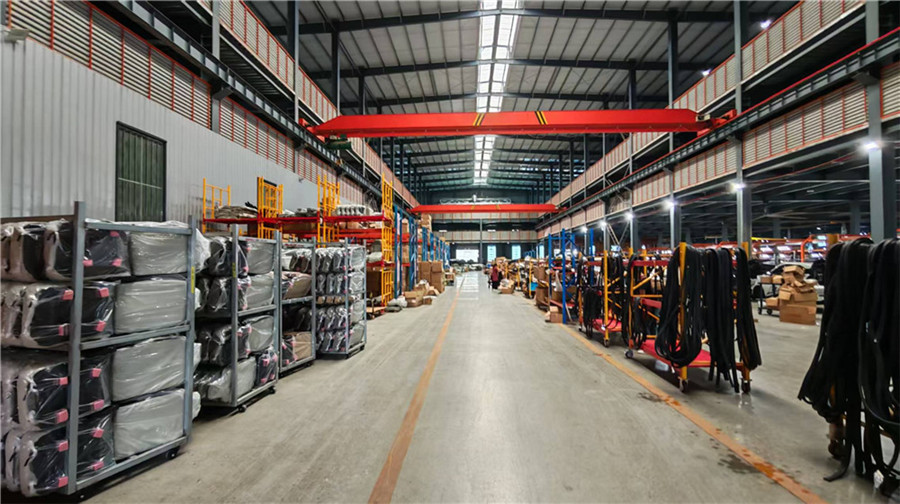
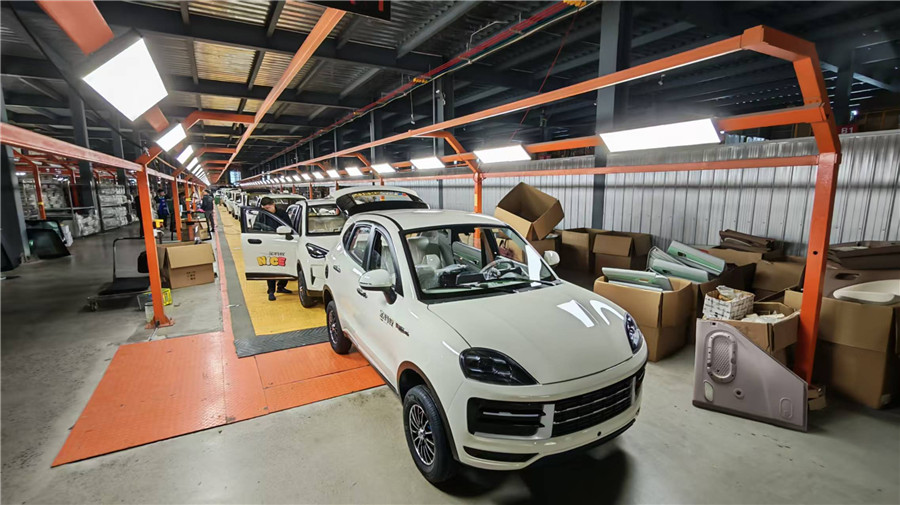
Tianjin Evergreen’s manufacturing superiority stems from our vertically integrated factories. Our production environments utilize high-level automation, CNC machinery, and high-tolerance robotic welding cells to ensure absolute consistency across large production runs. By managing structural fabrication in-house, we eliminate typical supply chain delays and structural inconsistencies that arise from secondary contractors.
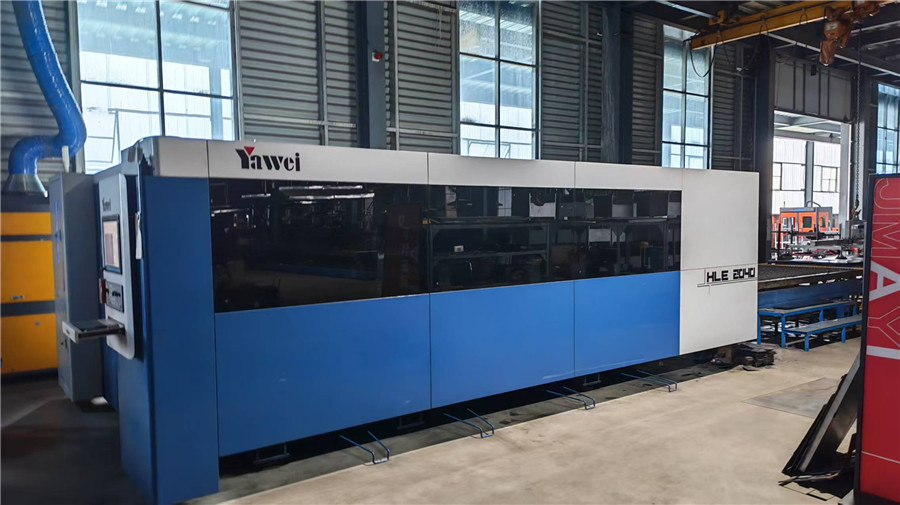
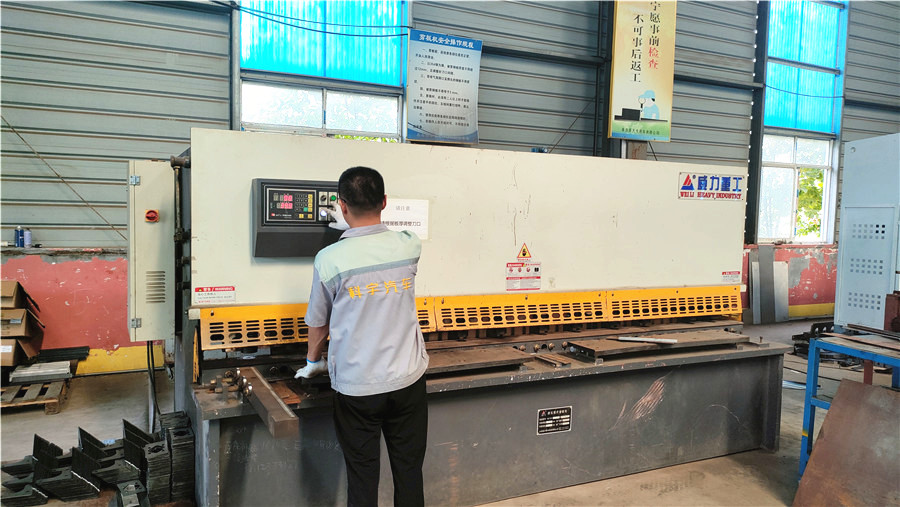
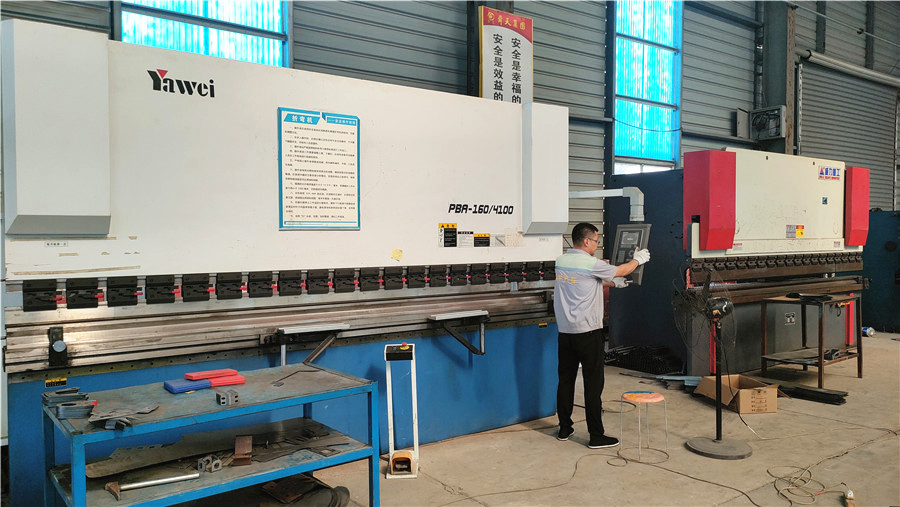
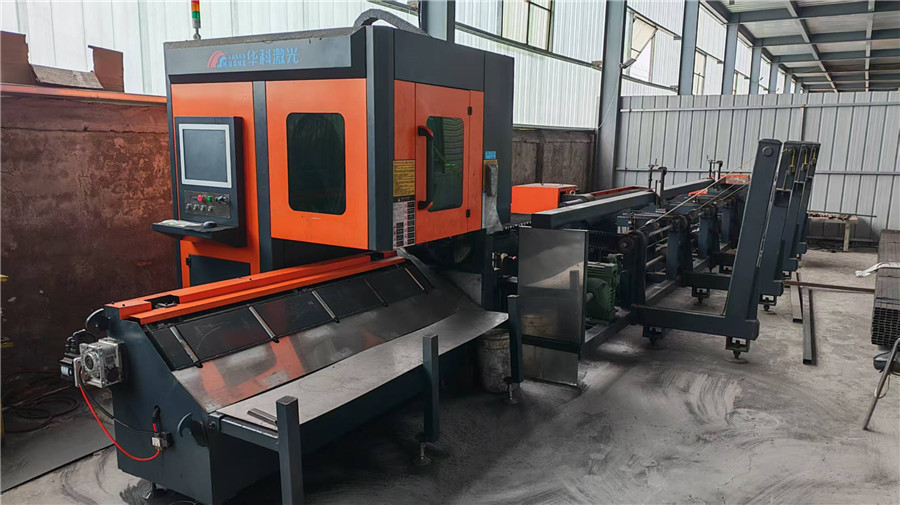
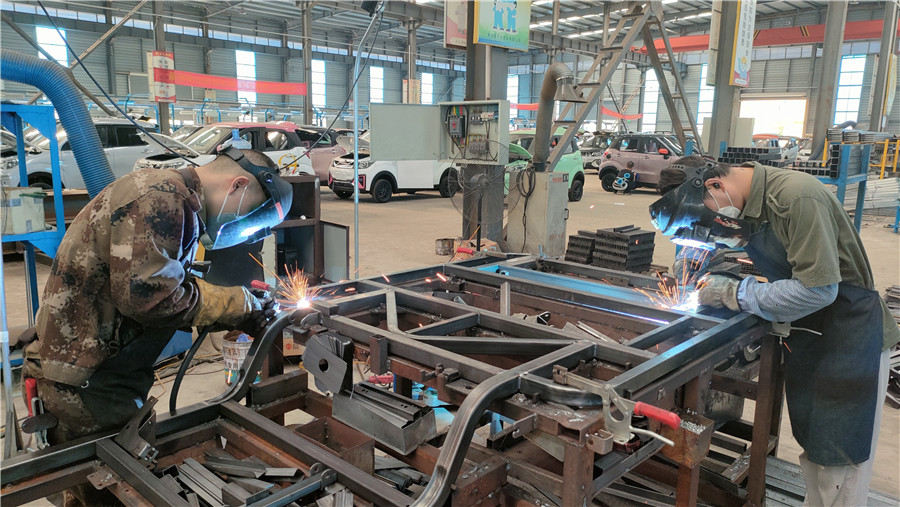
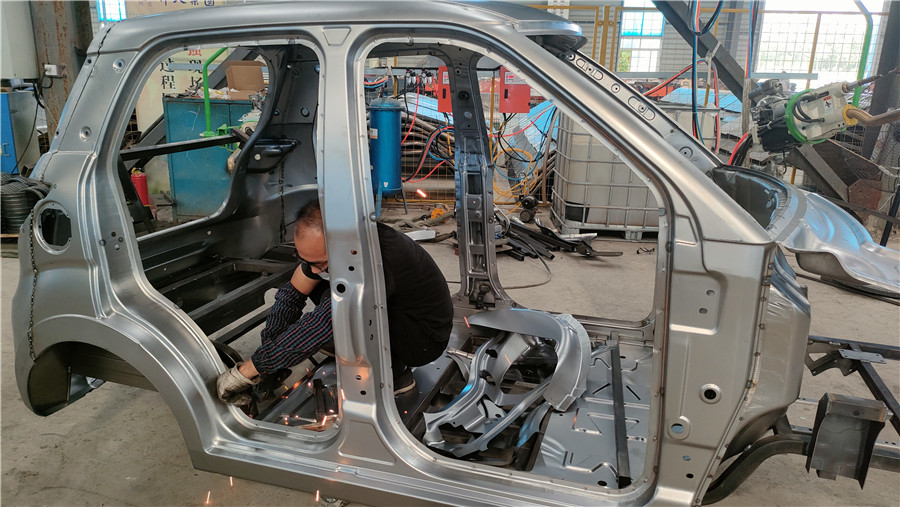
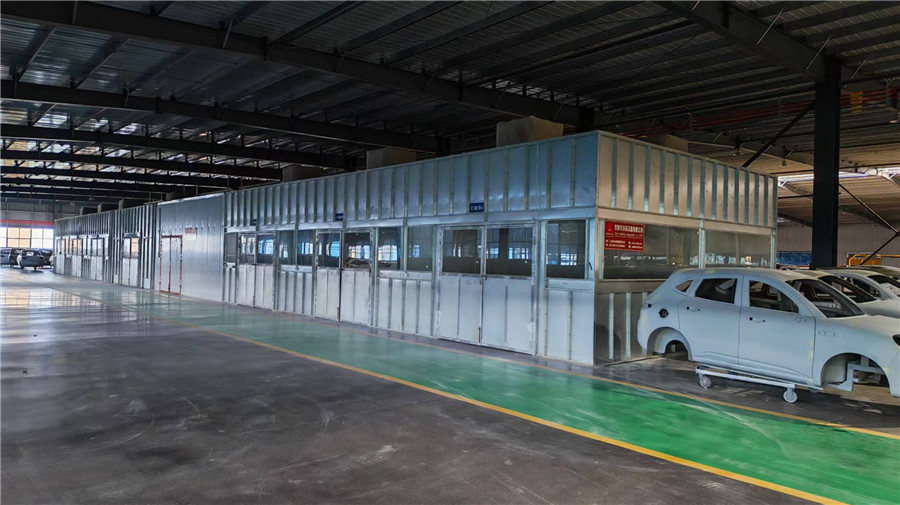
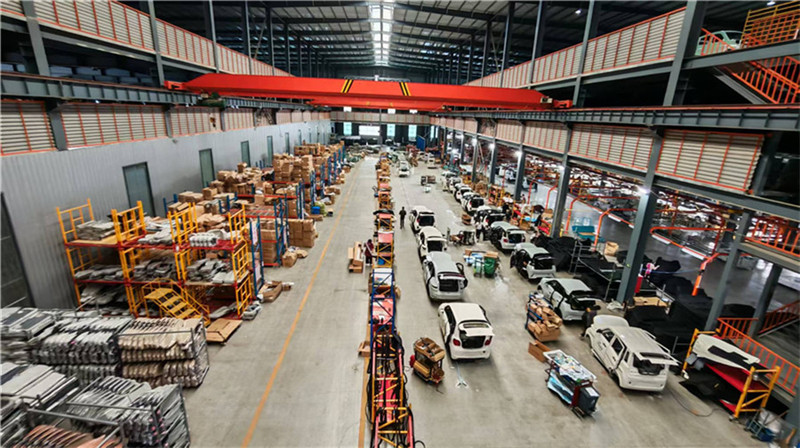
Our flexible production lines operate in synergy with global partner factories located across China, South Korea, Taiwan, Poland, Portugal, Bulgaria, and Hungary. This decentralized manufacturing capability enables clients to select the optimal point of origin, thereby mitigating tariff exposures, optimizing freight costs, and complying with local sourcing mandates.
The specifications of commuter transport systems must align with the environments in which they are deployed. A standard configuration that excels in one urban environment may fail under different localized operational pressures. Below, we break down how distinct geographic territories dictate specific engineering designs.
In mature European metropolitan areas, commuting products must comply with EN15194-2017 regulations, which limit motor outputs to 250W and restrict assistance to 25 km/h. To remain competitive in this landscape, e-bikes must utilize high-efficiency torque sensors rather than simple cadence sensors. Torque-sensing technology measures rider input with high precision, delivering instantaneous pedal assistance. This feature is essential for negotiating narrow, crowded cycle corridors and navigating steep topography.
Additionally, the prevalence of wet weather conditions in areas like the UK, Benelux, and Scandinavia requires an IP65 or higher ingress protection level for all electrical cabling, displays, and battery compartments. Our integration of waterproof wiring harnesses and weather-sealed battery enclosures ensures consistent operation across wet, demanding seasons.
In North America, commuting routes are longer and frequently span suburban roadways before entering city centers. Because of this, Class 2 and Class 3 configurations are widely utilized. These classifications allow for throttle operation and assisted speeds of up to 28 mph (45 km/h).
To meet these demands, vehicles require larger battery capacities (frequently utilizing dual-battery systems or high-density Samsung or LG lithium-ion cells) to prevent range anxiety over 50+ mile round trips. Additionally, these environments place higher demands on vehicle durability. Because of this, commuter vehicles must feature robust suspensions, integrated lighting, and puncture-resistant fat tires to handle high-speed travel on degraded roadway shoulders.
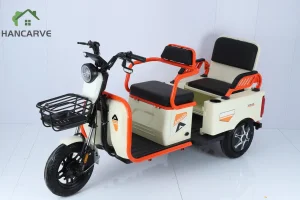
The rapid growth of instant logistics and food delivery platforms has created a highly demanding B2B micro-mobility vertical. For this market, conventional consumer-grade frame geometries are insufficient. High-capacity cargo trikes require reinforced, low-step step-through frames, dual battery configurations, and heavy-duty front and rear rack systems.
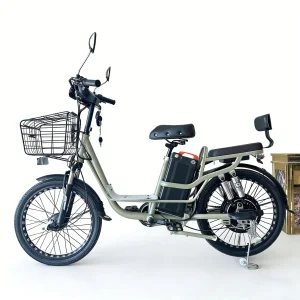
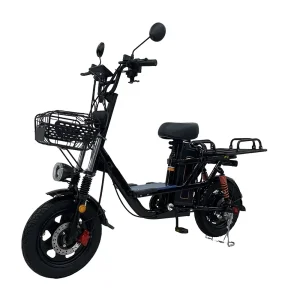
Vehicles like our Hancarve Electric Cargo Trike and delivery-specific ebikes are engineered to withstand continuous commercial duty cycles. These models support payload capacities of up to 150 kg while maintaining stability and braking performance through hydraulic disc systems.
"Sourcing professionals must prioritize localized safety and electrical engineering parameters. Standardizing vehicle geometries without assessing regional thermal limits and terrain profiles often leads to battery degradation and frame fatigue, driving up long-term operational costs."
The future of commuter transit accessories lies in the integration of lightweight structural alloys, advanced chemistry cells, and cloud-connected telemetry. Our engineering team is focusing on several key milestones to keep our product line competitive:
Traditional commuting frames relied on steel or heavy aluminum profiles. By utilizing unidirectional carbon fiber composites and high-pressure hydroformed 6061-T6 aluminum alloys, we reduce chassis weight by up to 35% without sacrificing tensile strength. This structural optimization translates to an increased range-per-charge and easier handling for multi-modal commuters who carry their vehicles onto public transit.
To ensure maximum safety and longevity, our high-performance models utilize advanced BMS units with dual thermal sensors and overcurrent protection circuits. As we look to the future, our engineering roadmap includes transitioning from standard NMC lithium-ion cells toward semi-solid-state designs. This upgrade will increase volumetric energy density, improve charging times, and maintain stable discharge rates in sub-zero temperatures.
Modern fleet operators and retail consumers demand intelligent diagnostic feedback. Our new generation of electric commuter vehicles features integrated IoT modules with 4G/LTE connectivity, GPS tracking, and CAN-bus system interfaces. This technology allows operators to monitor battery health, trace vehicle location, and receive predictive maintenance alerts in real time through custom software integrations.
Sourcing from a Chinese manufacturer offers significant advantages beyond low production costs. The true benefit lies in the depth of the local supply chain ecosystem. In regions like Tianjin and surrounding industrial hubs, we operate within a comprehensive ecosystem of component providers. From tire vulcanization plants and precision CNC machine shops to battery cell packers and anodizing facilities, all necessary steps are located within close proximity.
This geographical clustering reduces material transport times, speeds up prototype development, and allows for rapid adjustments to design modifications. For instance, when designing custom components for OEM/ODM clients, we can go from initial CAD designs to physical metal prototypes within days, compared to the weeks typical of fragmented supply chains.
Furthermore, Tianjin Evergreen’s manufacturing facility utilizes advanced, computer-controlled laser cutting and precision robotic welding systems. These technologies minimize manual assembly variations and maintain consistent weld penetration across every production batch, ensuring reliable frames that withstand years of daily use.
Navigating international trade laws requires rigorous attention to certifications and testing standards. Imported commuting equipment must meet specific regional safety mandates. Failing to comply can lead to customs delays, liability concerns, and reputational damage.
Tianjin Evergreen proactively addresses these compliance requirements. Our products undergo third-party evaluation and hold several key certifications:
 Evergreen Vehicle